

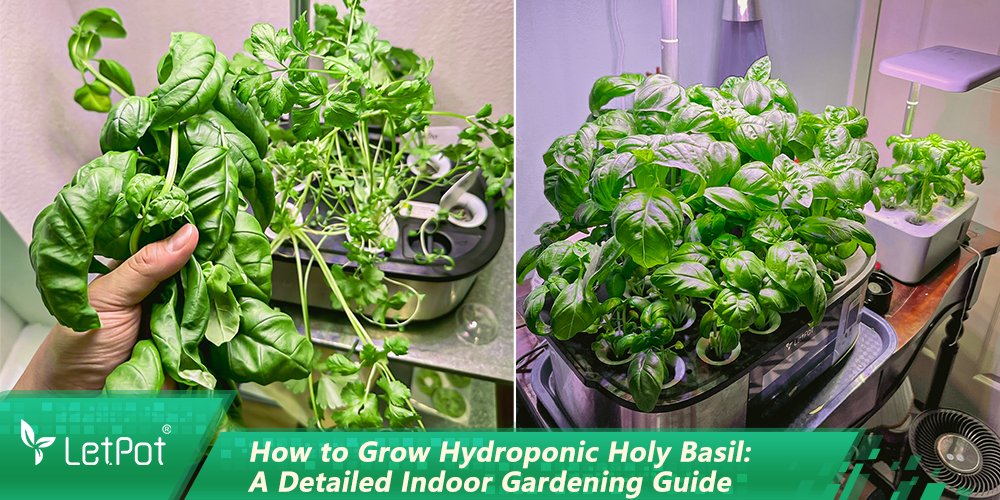
Holy Basil, taxonomically known as Ocimum tenuiflorum and colloquially referred to as Tulsi, is a perennial herb native to the Indian subcontinent. Highly revered for its religious, medicinal, and culinary properties, it is a staple in Ayurvedic medicine. In recent years, the transition from traditional soil-based cultivation to a hydroponics growing system has gained traction among indoor gardeners. This method allows for precise control over environmental variables, resulting in faster growth cycles and higher essential oil content.
What Is Hydroponic Holy Basil And Why Grow It Indoors?
Hydroponic Holy Basil refers to the cultivation of the Ocimum tenuiflorum species in a nutrient-rich, water-based solution rather than soil. Growing this herb indoors offers several advantages over outdoor cultivation. Indoors, the grower can mitigate the risks of seasonal changes, soil-borne pathogens, and fluctuating weather patterns.
Because Holy Basil is a tropical plant, it requires consistent warmth and specific humidity levels that are often difficult to maintain in temperate climates. Utilizing a hydroponics growing system ensures that the plant receives a direct supply of minerals to its root system, facilitating a maturity period of 60 to 90 days.
Furthermore, indoor cultivation provides a year-round supply of fresh leaves, which are often used for stress relief, immune support, and as a flavoring agent in teas and Southeast Asian cuisine.
Materials You'll Need for Growing Hydroponic Holy Basil

Successful cultivation requires a specialized set of tools designed to mimic the plant's natural habitat while optimizing its metabolic processes.
Essential Supplies and Setup List
To establish a functional indoor garden, the following components are necessary:
● Hydroponic System: Options include Deep Water Culture (DWC), Nutrient Film Technique (NFT), or an indoor hydroponic garden kit for beginners.
● Grow Lights: Full-spectrum LED or High-Pressure Sodium (HPS) lights.
● Growing Medium: Specialized substrates like peat or coco coir.
● Nutrients: A dedicated A+B nutrient solution containing macro and micronutrients.
● Measurement Tools: Digital pH and EC (Electrical Conductivity) meters.
● Climate Control: Fans for air circulation and a heater/air conditioner to maintain temperature.
Step-by-Step Guide to Growing Hydroponic Holy Basil

Choosing the Right Holy Basil Seeds
There are several varieties of Holy Basil, the most common being Rama, Krishna, and Vana. Rama and Krishna are the preferred choices for indoor systems due to their compact growth habits. Ensure seeds are sourced from reputable vendors to guarantee a high germination rate and genetic purity.
Selecting the Best Growing Medium for Holy Basil
The choice of medium is critical for root aeration and moisture retention. While perlite and rockwool are common, peat-based mediums are often preferred for Holy Basil. Peat provides an excellent capillary action that keeps the base of the seedling moist without becoming waterlogged. Its slightly acidic nature also aligns well with the herb's preference for a lower pH environment, making it a superior choice in a hydroponics growing system.
Maintaining Proper Water Quality and pH Levels
Water quality serves as the foundation of hydroponic success. It is imperative to use filtered or dechlorinated water to prevent chemical interference with nutrient uptake. Maintaining the correct pH balance in hydroponics is essential; for Holy Basil, the ideal range is 5.5 to 6.5. If the pH drifts outside this window, the plant may experience "nutrient lockout," where it becomes unable to absorb specific minerals despite their presence in the water.
Preparing and Using Nutrient Solutions
Holy Basil requires different mineral concentrations at various stages of its lifecycle. These concentrations are measured via Electrical Conductivity (EC).
● Germination Stage: EC 500 ~ 700 µS/cm.
● Seedling Stage: EC 700 ~ 900 µS/cm.
● Growth Stage: EC 900 ~ 1200 µS/cm.
● Maturity Stage: EC 1600 ~ 2100 µS/cm.
Always mix the nutrients into the water according to the manufacturer’s instructions, ensuring the solution is well-oxygenated.
Providing the Right Lighting Conditions
Photosynthesis in Holy Basil is most efficient when the plant is exposed to 10 to 14 hours of light daily. Modern LED setups are highly recommended as they produce minimal heat, allowing the lights to be placed closer to the canopy without risking leaf scorch.
Ideal Temperature and Climate Control
As a tropical herb, Holy Basil thrives in a temperature range of 20°C to 30°C. Temperatures falling below 15°C can lead to stunted growth or dormancy. In a closed hydroponics growing system, maintaining a relative humidity of 40-60% is ideal to prevent fungal issues while ensuring the stomata remain open for gas exchange.
Daily Care And Maintenance For Hydroponic Holy Basil

How to Prune Holy Basil Properly
Pruning is the most vital maintenance task for maximizing yield. Once the plant reaches approximately 15 cm in height, the central leading stem should be pinched back. This redirects growth hormones to the lateral buds, encouraging a bushier structure. Regular pruning prevents the plant from "bolting" (flowering prematurely), which can turn the leaves bitter.
Managing Plant Spacing and Growth
In a smart hydroponic planter, space is often limited. Ensure that each plant has enough room for air to circulate between the leaves. Crowded conditions create microclimates of high humidity, which are breeding grounds for pathogens.
Pest Prevention and Control
Common indoor pests include aphids, spider mites, and fungus gnats. Since Holy Basil is often consumed, chemical pesticides should be avoided. Instead, utilize Neem oil or insecticidal soaps. Maintaining a clean reservoir in your hydroponics growing system will also prevent the breeding of larvae.
Disease Prevention and Treatment
Root rot (Pythium) is the primary concern in water-based systems. It is characterized by brown, slimy roots and a foul odor. To prevent this, ensure the water is adequately oxygenated using air stones and keep the nutrient solution temperature below 24°C.
When And How to Harvest Holy Basil

The lifecycle of Holy Basil in a hydroponic environment follows a predictable timeline:
● Germination: 6 ~ 14 days.
● Seedling: 14 ~ 21 days.
● Growth: 42 ~ 56 days.
● Maturity: 60 ~ 90 days.
Harvesting can begin once the plant has established several sets of true leaves. Always harvest from the top down, cutting just above a leaf node. This ensures the plant continues to produce new foliage throughout its maturity stage.
Comparison of Growth Stages And Parameters
|
Stage |
Duration (Days) |
EC Value (µS/cm) |
pH Range |
Light Hours |
|
Germination |
6 - 14 |
500 - 700 |
5.5 - 6.5
|
10 - 14 |
|
Seedling |
14 - 21 |
700 - 900 |
5.5 - 6.5
|
10 - 14 |
|
Growth |
42 - 56 |
900 - 1200 |
5.5 - 6.5
|
10 - 14 |
|
Maturity |
60 - 90 |
1600 - 2100 |
5.5 - 6.5
|
10 - 14 |
Best Holy Basil Varieties for Your Hydroponics Growing System
Selecting the appropriate cultivar is essential for balancing space constraints with desired medicinal or culinary yields. While all Holy Basil belongs to the Ocimum genus, subtle differences in morphology and chemical composition dictate their performance in an indoor environment.
1. Rama Tulsi (Ocimum tenuiflorum)
Rama Tulsi is the most common variety used in a hydroponics growing system. It is characterized by bright green leaves and a cooling, mellow flavor. It is particularly valued for its adaptability to the controlled lighting and stable temperatures of an indoor environment. In a smart hydroponic planter, Rama Tulsi tends to maintain a manageable, bushy habit that is ideal for high-density setups.
2. Krishna Tulsi (Ocimum tenuiflorum)
Often considered the most potent for medicinal use, Krishna Tulsi features dark green to purple-tinged foliage and purple stems. It has a significantly higher concentration of essential oils, giving it a spicier, peppery aroma reminiscent of cloves. Because of its slightly slower growth rate compared to Rama, it is well-suited for a specialized indoor hydroponic garden kit where quality is prioritized over rapid biomass production.
3. Kapoor Tulsi (Ocimum tenuiflorum)
Kapoor is favored by beginners due to its vigorous growth and resilience. It is the easiest variety to start during the germination phase and produces a heavy yield of leaves with a pleasant, fruity scent. However, it has a tendency to bolt (flower) faster than other varieties, requiring more frequent pruning to keep the plant in its vegetative state.
4. Vana Tulsi (Ocimum gratissimum)
Vana, or "Forest Tulsi," is a wilder variety that can grow quite large. It possesses large, serrated green leaves and a strong, lemony-clove fragrance. While it can be grown in a hydroponics growing system, it requires more vertical space and more frequent adjustment of the nutrient solution to support its larger frame. It is best reserved for larger DWC (Deep Water Culture) or NFT (Nutrient Film Technique) setups.
Common Questions About Hydroponic Holy Basil
1. Can I grow Holy Basil from cuttings in a hydroponic system?
Yes, Holy Basil clones easily. Simply place a 10 cm cutting in a glass of water or a hydroponics growing system with a low nutrient concentration until roots develop.
2. Why are my Holy Basil leaves turning yellow?
Yellowing (chlorosis) is typically a sign of nitrogen deficiency or an incorrect pH balance in hydroponics. Check your pH levels first; if they are within the 5.5–6.5 range, consider increasing the nutrient concentration.
3. Is the flavor of hydroponic Holy Basil different from soil-grown?
Hydroponic Holy Basil often has a cleaner, more consistent flavor. Because the grower controls the exact mineral intake, the concentration of aromatic compounds like eugenol can be optimized through precise nutrient management.
4. Do I need to pollinate the flowers?
If you are growing for leaf production, you should prune the flowers before they bloom. However, if you allow them to bloom, pollination is not necessary for leaf growth, though the flowers themselves are edible and possess a mild peppery taste.
Conclusion
Transitioning the cultivation of Holy Basil from traditional soil to a modern hydroponics growing system offers a sophisticated path toward year-round herbal self-sufficiency. By meticulously managing environmental variables; ranging from the pH balance in hydroponics to the specific EC values required at each growth stage, gardeners can produce a crop that is cleaner, more aromatic, and more nutrient-dense than outdoor counterparts.
The integration of peat-based mediums and full-spectrum lighting ensures that the "Queen of Herbs" flourishes even in the absence of natural sunlight.
Other Plant Hydroponic Growing Tips
If you are also interested in other hydroponic plants, please read related articles.
- The Best 11 Easy-To-Grow Vegetables in Hydroponics
- Top 10 Fruits to Grow in Hydroponic Systems
- Hydroponic Herbs: A Beginner's Top 10 List
- How to grow hydroponic cherry tomatoes Indoors: A Detailed Guide
- How to grow cilantro hydroponically indoors: A Beginner’s Guide
- How to grow Hydroponic Bell Peppers indoors: A Detailed Guide
- How to Grow Hydroponic Blueberries Indoors: A Detailed Guide











Leave a comment
All comments are moderated before being published.
This site is protected by hCaptcha and the hCaptcha Privacy Policy and Terms of Service apply.