

Grow Different Plants Together Pro Tips + Mistakes to Avoid

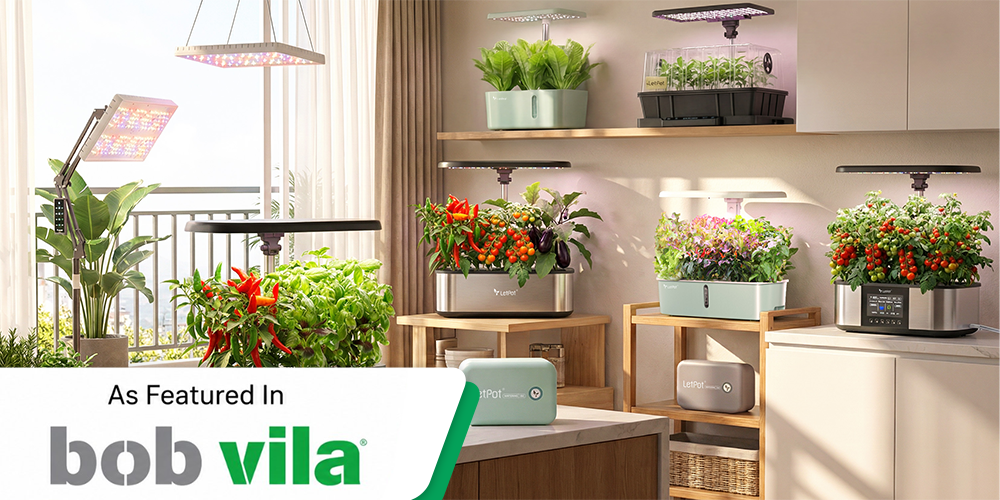
A Hydroponic Grow Kit makes hydroponic plant compatibility a top concern in desktop hydroponics, a clean and compact way to garden indoors.
A common question is: Can you grow different plants side by side in desktop systems like LetPot and Aerogarden?
The short answer is Yes — but it’s not a free-for-all.
The key is to pair plants scientifically based on growth traits and hydroponic plant compatibility.
The right combinations maximize space use, improve natural pest resistance, and support healthier growth.
The wrong ones cause nutrient competition, light blockage, and stunted development.
This guide explains the core rules of mixed planting in desktop hydroponics.
It also covers top plant combinations, major mistakes to avoid, and simple care tips for an indoor garden system, including an indoor hydroponic garden.
Core Principles for Mixed Planting in a Desktop Hydroponic Grow Kit
(Non-Negotiable Rules)
Mixed planting depends on compatibility
Mixed planting is about compatibility, not quantity.
In a desktop system, hydroponic plant compatibility helps you avoid common pitfalls.
1. Match Nutrient Requirements
(Prevent Nutrient Imbalances)
Plants have different needs for nitrogen (N), phosphorus (P), and potassium (K).
Hydroponic plant compatibility starts with similar NPK preferences:
- Leafy greens (lettuce, spinach) thrive with a high-nitrogen blend (3-1-2)
- Fruiting plants (dwarf tomatoes, mini bell peppers) need a high-phosphorus and potassium mix (2-3-2 to 2-3-3)
- Herbs (basil, cilantro) do best with a balanced blend (2-1-2)
Mismatched nutrient needs leave some plants deficient and others overfed.
That weakens hydroponic plant compatibility and healthy growth.
If you’re new to hydroponics, NPK ratios can feel overwhelming.
Use your brand’s all-purpose nutrient solution, follow the label, and avoid over-fertilizing.
For more precision, use a tool like the LetPot EC Meter to adjust nutrient strength with real-time readings.
2. Align Light Needs & Growth Rates
(Avoid Light Blockage)
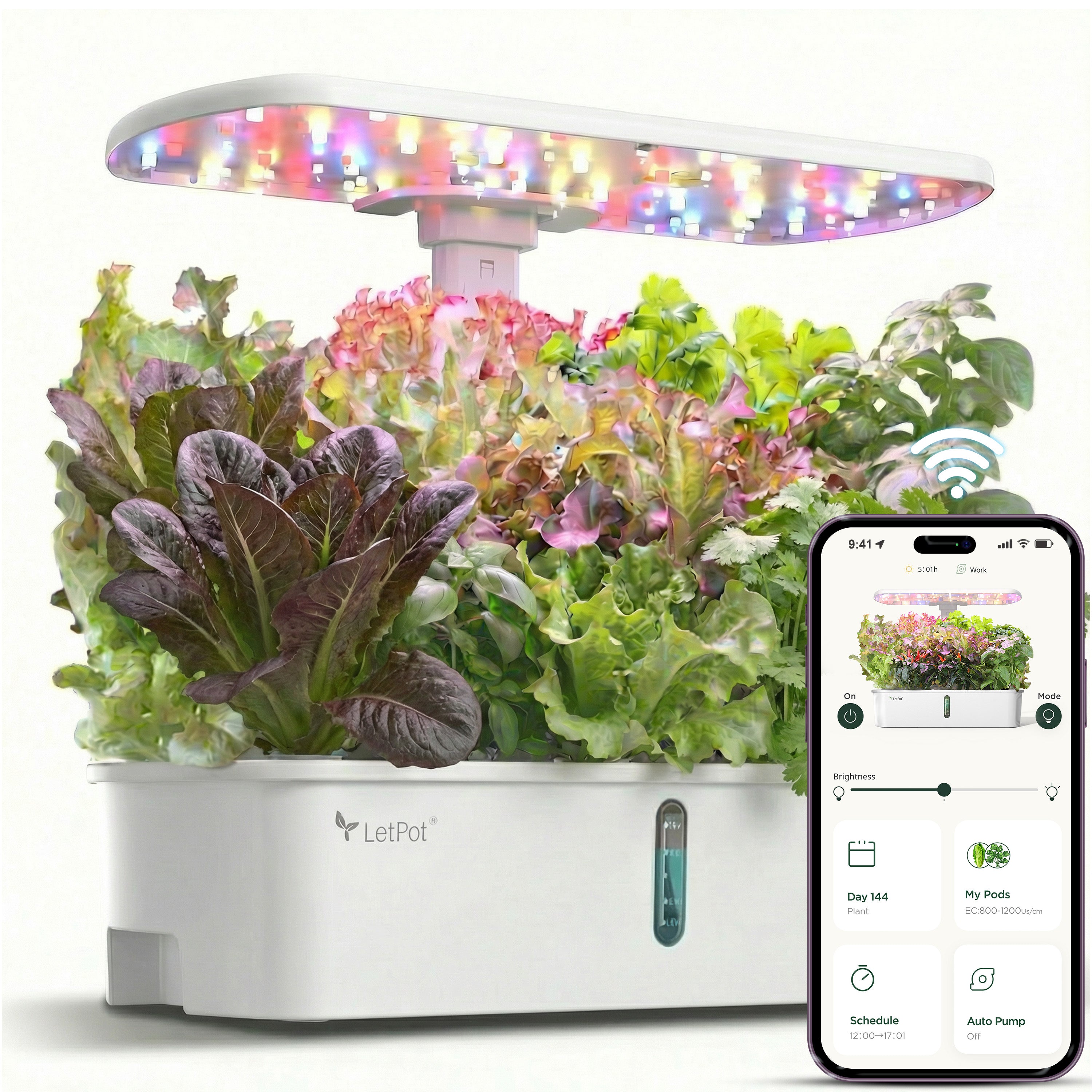
Desktop Hydroponic Grow Kit models include full-spectrum grow lights, but coverage is limited.
Group shade-tolerant, slow-growing plants together in an indoor hydroponic system.
Keep them separate from tall, fast growers.
This improves hydroponic plant compatibility and reduces yellowing or leggy growth.
3. Match Root Systems & Space Needs
(Prevent Root Oxygen Deprivation)
Most desktop Hydroponic Grow Kit setups are compact NFT, DWC, or Kratky systems with limited tank space.
Fruiting plants with large root systems should not be mixed with leafy greens or herbs.
Tangled roots reduce oxygen flow and weaken hydroponic plant compatibility for every plant.
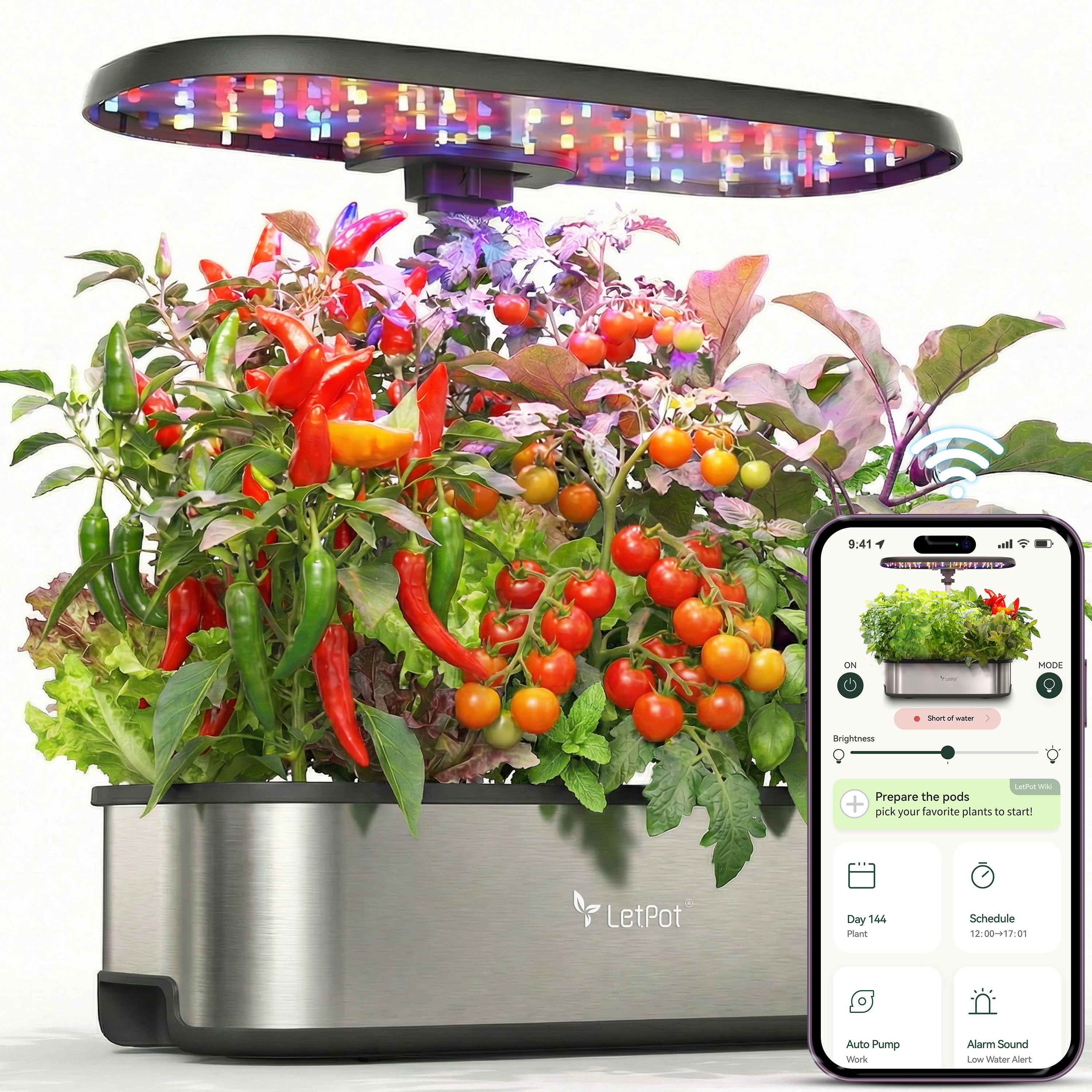
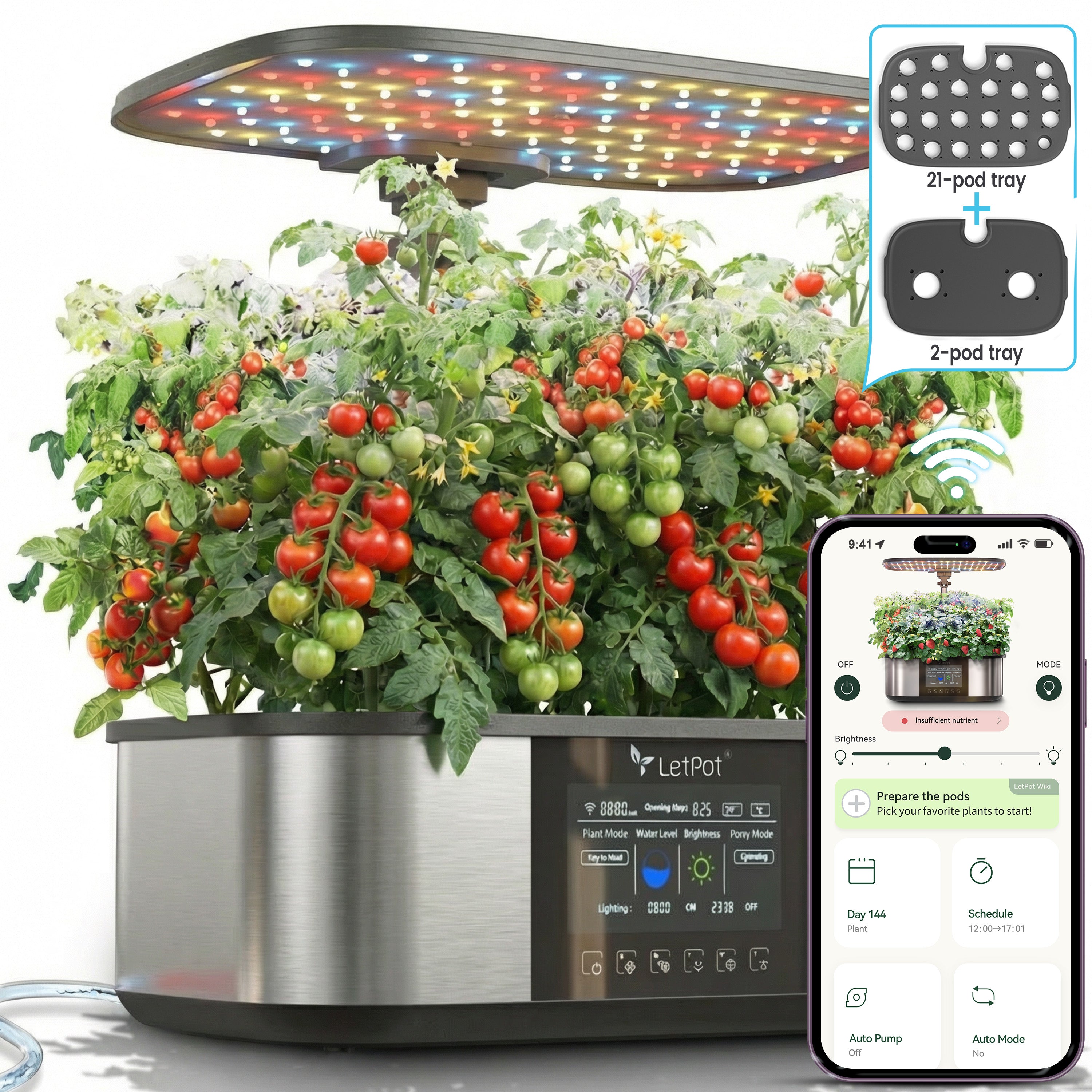
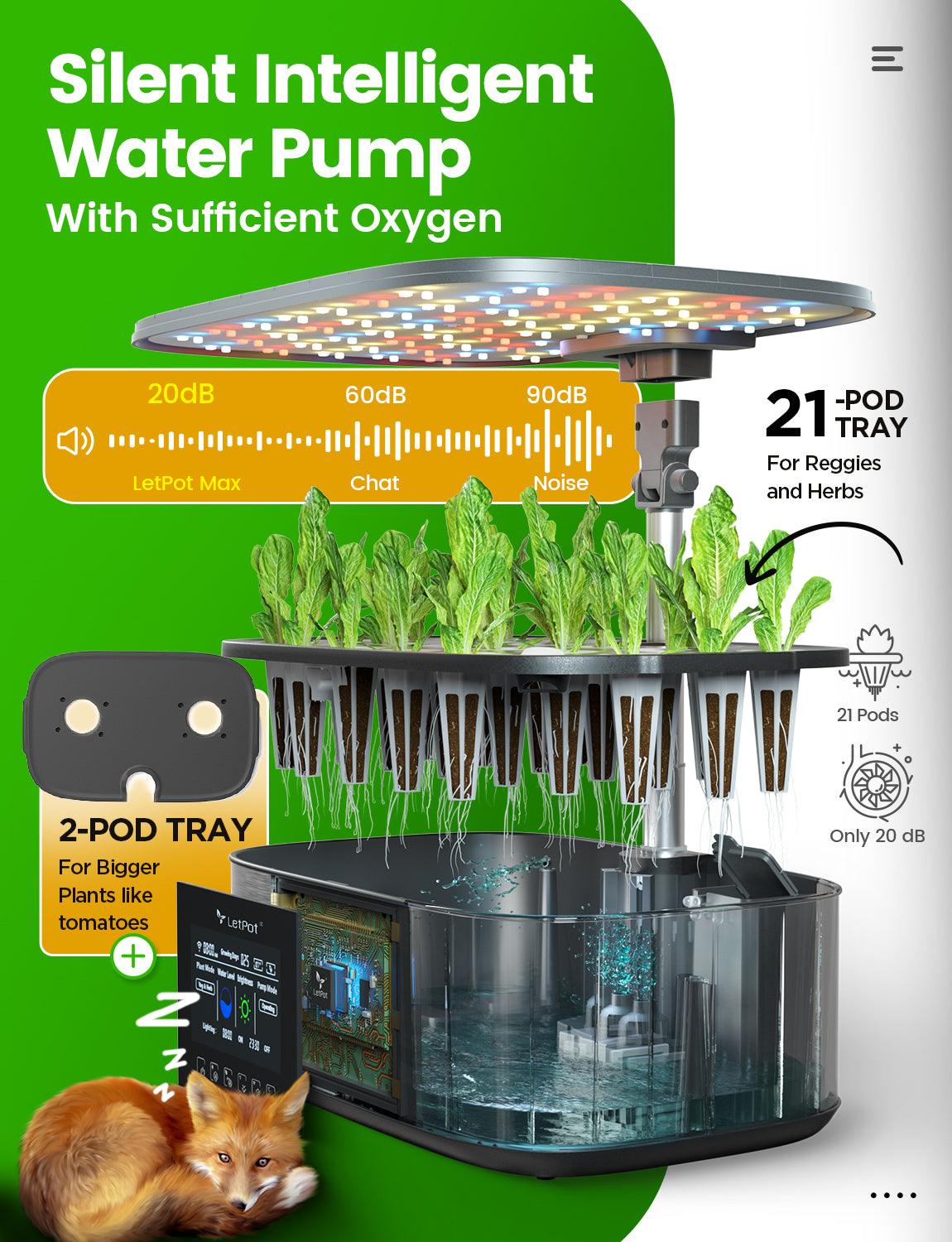
If you want to grow larger plants like tomatoes or peppers, opt for the LetPot LPH-Max.
It features a 2-hole tray for bigger plants and a 7.5L water tank in a desktop Hydroponic Grow Kit.
Top Mixed Plant Combinations for Desktop Hydroponics
(Beginner-Friendly, High Success Rate)

New growers do not need to overcomplicate it.
Start with 2-3 compatible plants.
This keeps hydroponic plant compatibility easier to manage and improves results.
1. Leafy Greens + Herbs
(The Best Starter Combo)
This is the most compatible pairing, perfect for any desktop Hydroponic Grow Kit.
Our top picks:
Lettuce/spinach/arugula + Basil/cilantro/dill
They share similar nutrient and light needs.
Aromatic herbs like basil may help reduce pest pressure.
Both also thrive in shallow water environments, which supports hydroponic plant compatibility.
For beginners, lettuce and basil are a simple starting pair in a hydroponic garden kit.
2. Dwarf Fruiting Plants + Pest-Repellent Plants
(Advanced Upgrade)
If you want to try fruiting plants, pair dwarf tomatoes or mini bell peppers with marigolds, or strawberries with thyme.
Give fruiting plants extra root space, and prune companions often.
This keeps hydroponic plant compatibility from breaking down as plants mature.
Mistakes to Avoid in Desktop Hydroponic Mixed Planting
(3 Terrible Pairings)
Bad plant combinations lead to weak growth, pests, and disease.
Poor hydroponic plant compatibility is often the reason.
Leafy greens + Fruiting plants: They have clashing nutrient needs. Fruiting plants also block light for leafy greens, so both may struggle.
Mint + Any other plant: Mint grows fast and has invasive roots. It quickly takes over space and nutrients, so grow mint alone.
Tall plants + Shade-loving dwarf plants: Short plants get starved of light, leading to leggy growth, yellow leaves, and wilting.
Pro Care Tips for Hydroponic Plant Compatibility in Desktop Hydroponics
(Tailored for Compact Desktop Spaces)

1. Choose the Right Desktop Hydroponic Grow Kit
Opt for a system with a built-in full-spectrum grow light and water pump, like the LetPot Indoor Garden.
These features support mixed planting in an indoor hydroponics growing system.
Kratky systems work best for one plant per pot to avoid root crowding.
Most Kratky setups also lack built-in lights, so add a grow light or place the system on a plant stand indoor near a sunny windowsill or balcony.
2. Master Nutrient Solution Control
If you mix a small number of plants with slightly different needs, prepare separate nutrient solutions or use an all-purpose blend.
Monitor pH regularly and keep it between 5.5 and 6.5 to support hydroponic plant compatibility.
3. Optimize Light & Ventilation
Ensure even light coverage for all plants in your indoor plant growing system.
Prune leaves and stems regularly to prevent overcrowding and light blockage.
Keep the room well-ventilated to reduce fungal diseases.
Extra Critical Tips for Mixed Planting in Desktop Hydroponics
(Small Details That Determine Success)

1. Customize Nutrient Refills for High Feeders
Heavy-feeding plants like tomatoes and peppers use nutrient solution faster than others.
Refill on demand so they do not drain resources from neighboring plants.
2. Strictly Control Plant Density
Overcrowding causes light blockage, root tangling, and disease spread.
Follow the recommended spacing for your Hydroponic Grow Kit.
Never add more plants than the setup can support.
3. Rotate Plant Positions Regularly
Rotate your plants every few days so all sides get equal light exposure.
This prevents lopsided growth and keeps one plant from hogging light.
4. Isolate Diseased Plants Immediately
Mixed planting means plants are close together, so pests and disease spread fast.
If you spot yellow leaves, mold, or pests, remove that plant at once.
For extra protection, add a few pest-repellent herbs to create a natural barrier.
5. Adjust Plant Combinations by Growth Stage
Plants can be mixed during the seedling stage.
Once they mature, especially when fruiting plants flower, their needs change sharply.
Separate them then to maintain hydroponic plant compatibility.
6. Separate Ornamental & Edible Plants
If you want to grow ornamental plants and edible plants, use separate zones.
They need different nutrient ratios, and some ornamentals may affect food safety for other indoor plants.
Final Takeaway

Growing different plants together in a desktop Hydroponic Grow Kit is possible when you follow three rules:
match nutrient needs, align light needs, and fit root space.
Good hydroponic plant compatibility makes mixed planting much easier.
Beginners should start with two compatible plants and learn the basics first.
With these tips, your desktop can become a practical mini hydroponic garden for fresh harvests and enjoyable indoor gardening every day.
Other Plant Hydroponic Growing Tips
If you are also interested in other hydroponic plants, please read related articles.
- The Best 11 Easy-To-Grow Vegetables in Hydroponics
- Top 10 Fruits to Grow in Hydroponic Systems
- Hydroponic Herbs: A Beginner's Top 10 List
- How to grow hydroponic cherry tomatoes Indoors: A Detailed Guide
- How to grow cilantro hydroponically indoors: A Beginner’s Guide
- How to grow Hydroponic Bell Peppers indoors: A Detailed Guide
- How to Grow Hydroponic Blueberries Indoors: A Detailed Guide




Leave a comment
All comments are moderated before being published.
This site is protected by hCaptcha and the hCaptcha Privacy Policy and Terms of Service apply.