


Lavender has a reputation. It’s calming, aromatic, endlessly useful, and adaptable to soil-free cultivation. Growing hydroponic lavender indoors gives you precision, consistency, and year-round harvests with fragrance that hits you the moment you approach the grow area. People often assume lavender only thrives in rocky Mediterranean fields.
But indoors? And that too, in a hydroponics growing system, well…it works beautifully if you give the plant exactly what it wants.
Here’s an extensive guide to help you understand the plant. We’ll be sprinkling practical details, timing notes, expert-level conditions, and a full explanation of why lavender behaves the way it does in water-based setups. So, let’s begin.
What Is Hydroponic Lavender And Why Grow It Indoors?
Lavender (Lavandula angustifolia) is a tough perennial herb, which is indigenous to the Mediterranean. It is valued due to its relaxing smell, essential oils, cooking possibilities and aesthetic value. But interestingly, lavender responds extremely well to hydroponics because so many of the environmental risks that plague soil-grown lavender simply don’t exist indoors
- No soggy soil.
- No unpredictable rainfall.
- No nutrient-depleted beds.
With a controlled indoor space and a hydroponics growing system, the plant experiences stable lighting, consistent airflow, precise nutrient ratios, and meticulously balanced pH. That means faster growth, fewer pests, and a fragrance profile that’s remarkably strong. Indoor setups also allow you to run lavender through its full lifecycle regardless of season.
If you’ve ever wrestled with fungal issues in outdoor lavender, you’ll appreciate how hydroponics offers near-perfect control of moisture and root oxygenation; the two biggest stressors lavender faces in soil.
Materials You'll Need For Growing Hydroponic Lavender
Lavender does not need a ton of fancy equipment, but it does demand precision. Here is what you’ll want to gather before planting:
- A hydroponics growing system with excellent root aeration.
- Net pots (3 - 4 inches work well).
- Clay pellets or another airy, well-draining growing medium.
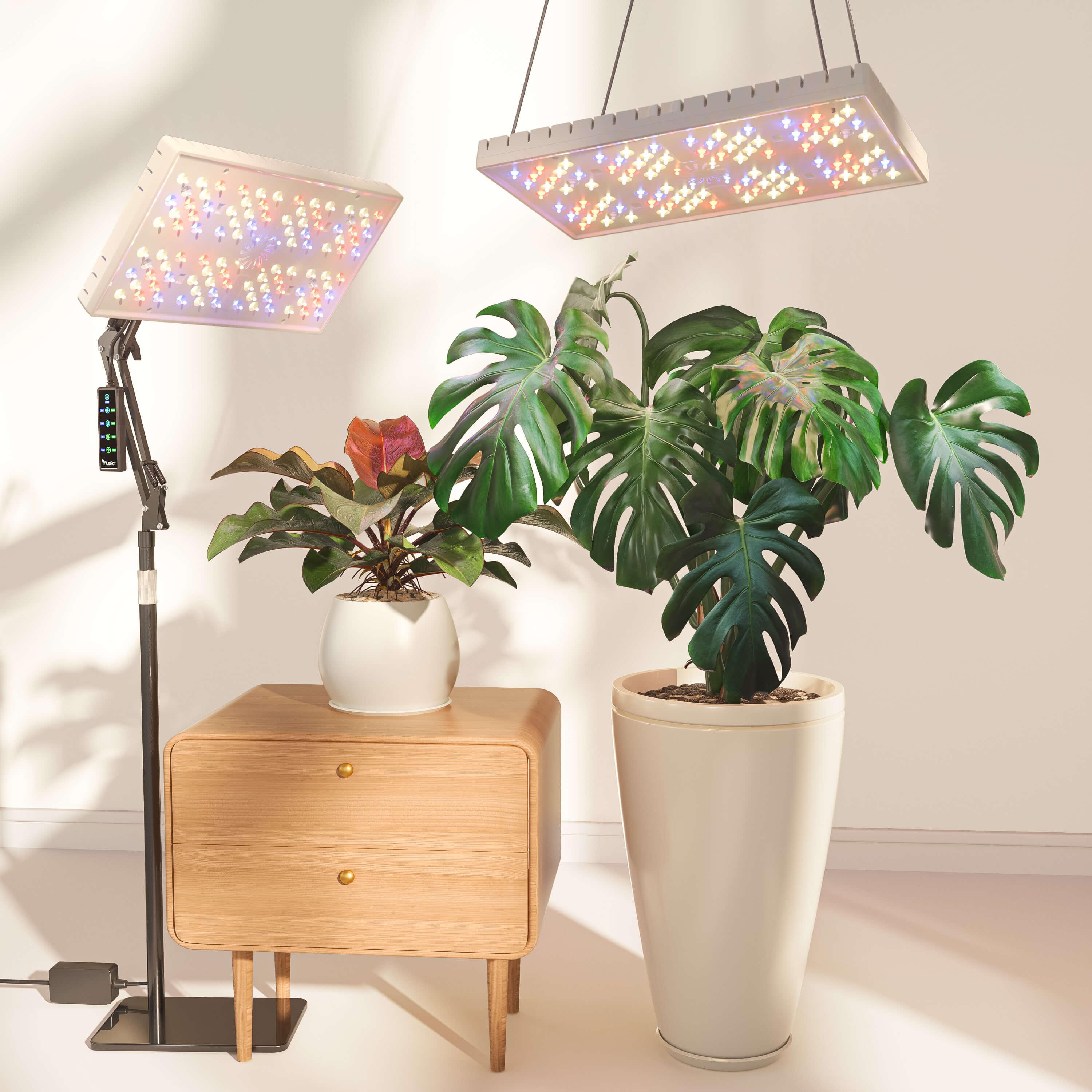
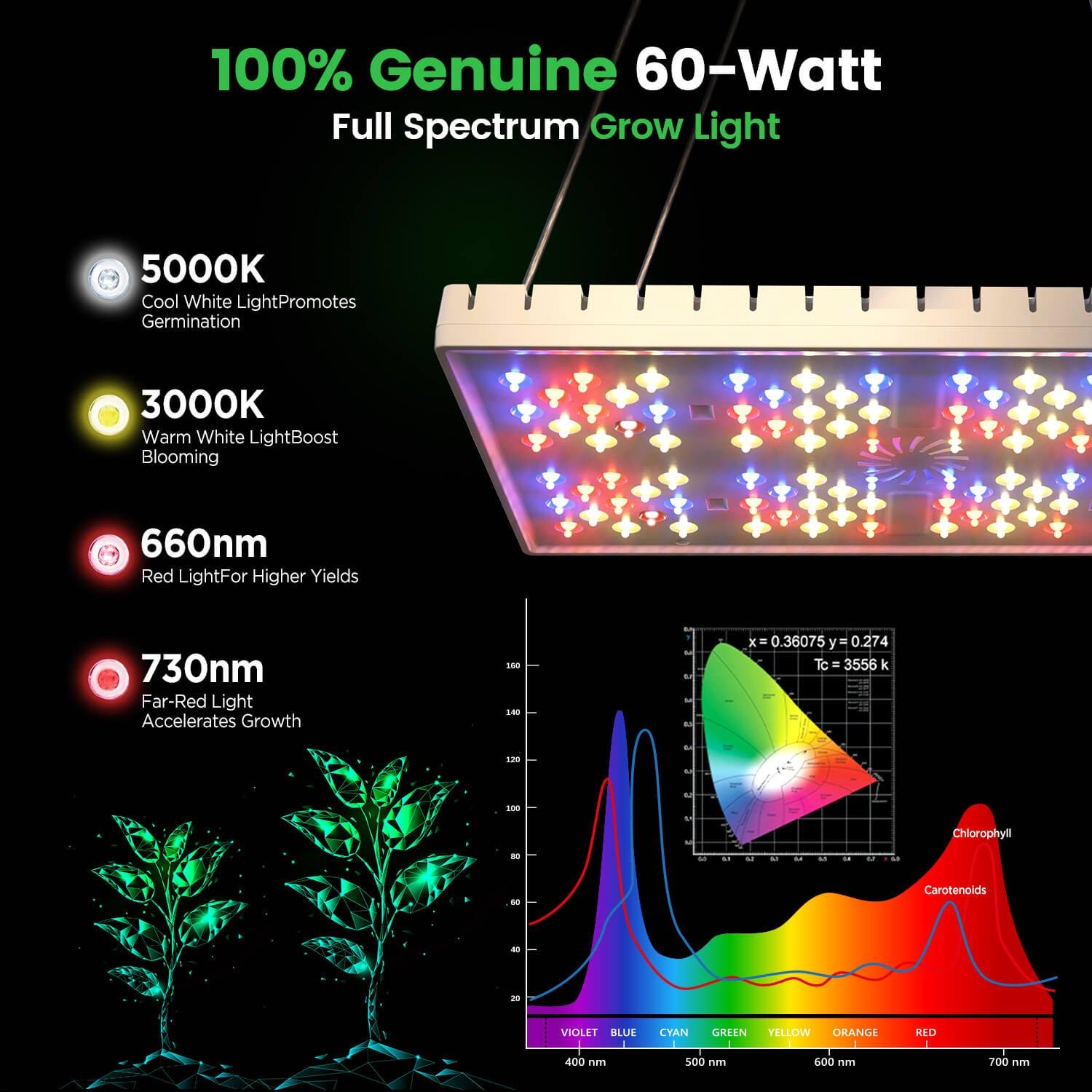
- LED grow that’s able to provide 14 - 16 hours of light.
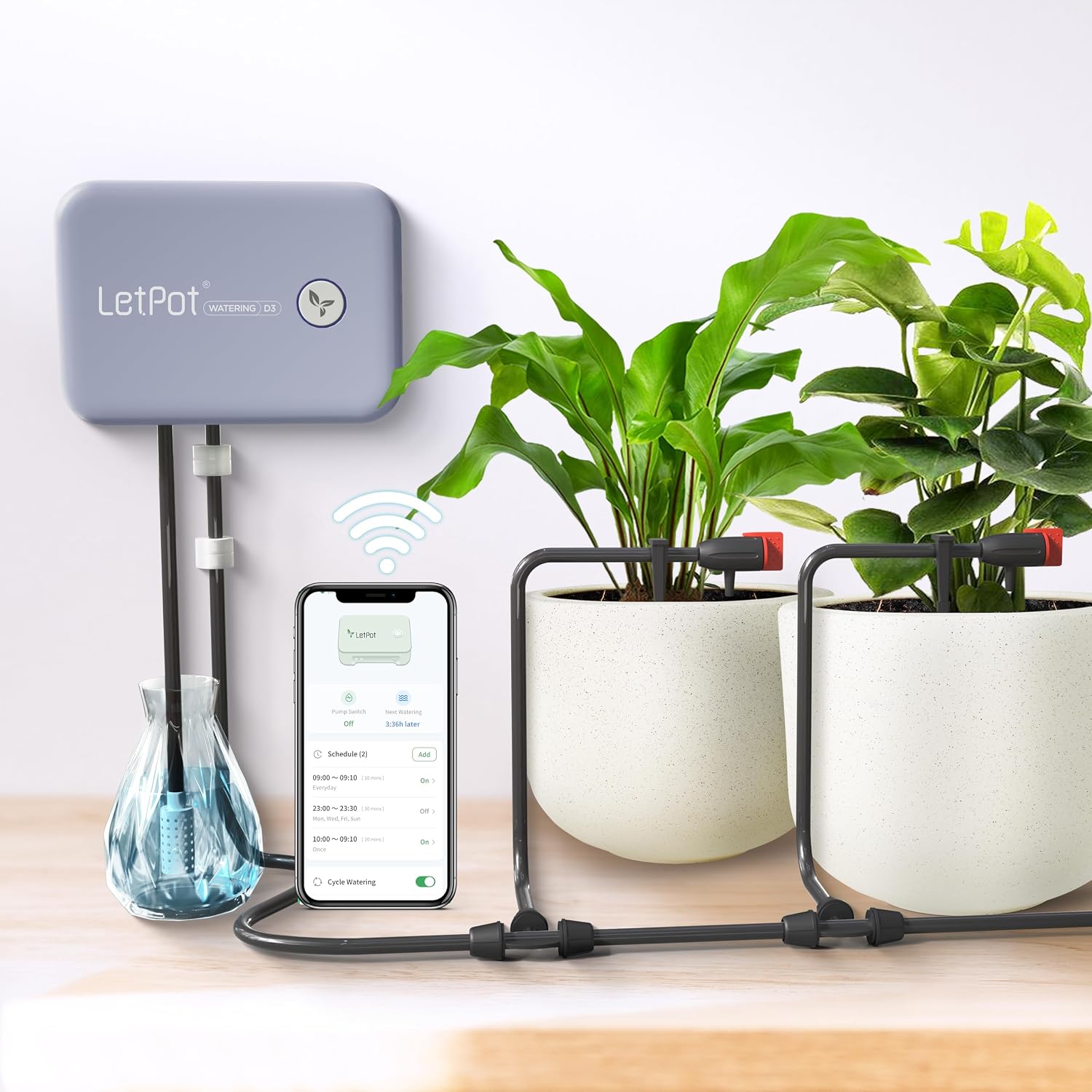
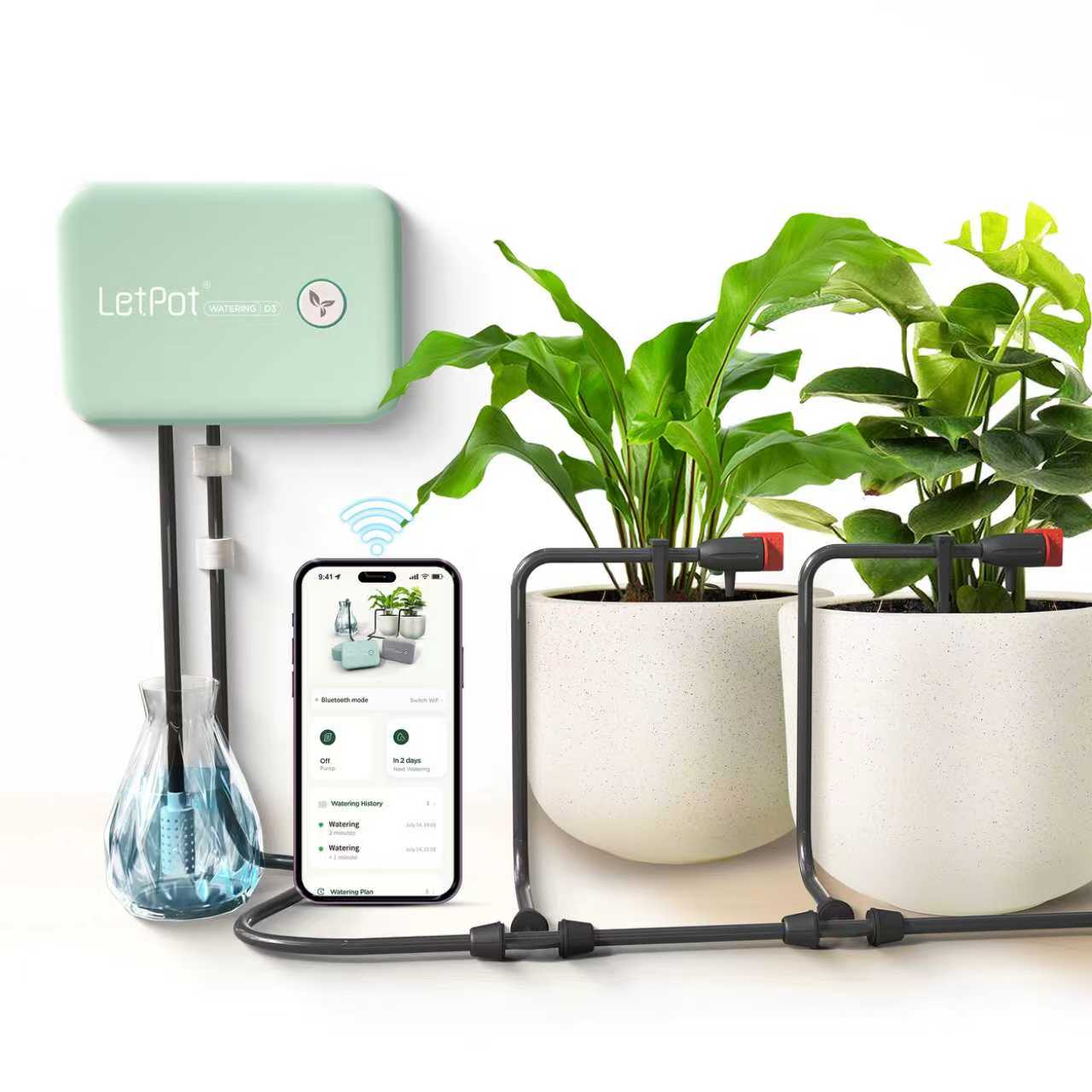
- Pump for constant waterflow.
- A large reservoir to ensure constant EC and pH.
- An herbal nutrient solution (Preferably lavender).
- A pH meter, EC meter, and thermometer.
- A humidity monitor.
- Lavender seeds from a reputable source.
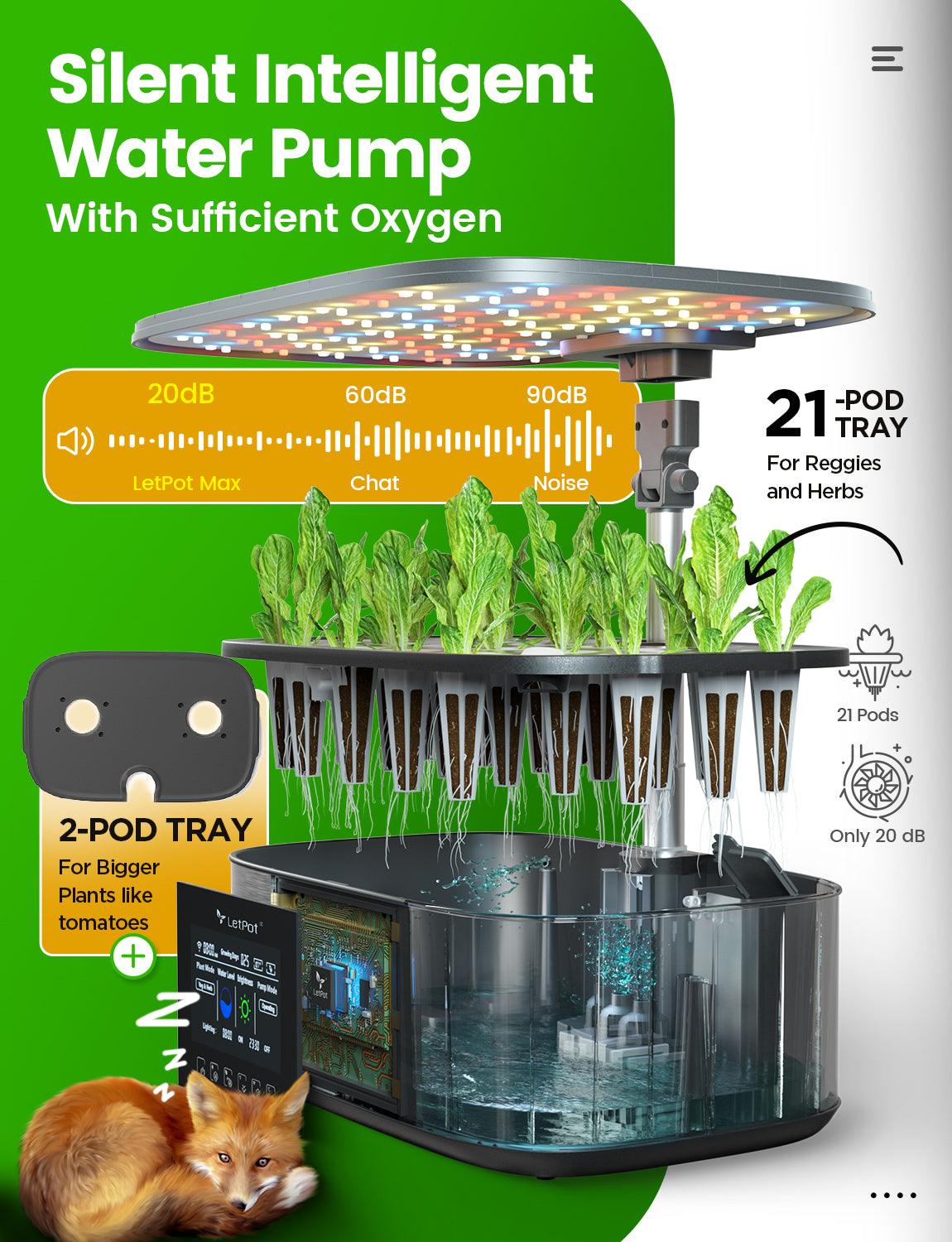
Get seeds of lavender of a good stock.Should you wish the easy way, an indoor hydroponic garden system can make the whole process easier.
Essential Supplies And Setup List

Type of hydroponic system: all hydroponic systems are applicable to grow lavender, however, the most effective systems are the ones that are highly oxygenated such as DWC.
- Lighting: Full-spectrum LED, 14 -16 hours a day.
- Temperature: 18 -24 C at all growth stages.
- pH: 6.5 -7.5 (lavender grows better in a slightly alkaline environment).
EC values:
- Germination: 500 - 700 µS/cm
- Seedling: 700 - 900 µS/cm
- Growth: 900 - 1200 µS/cm
- Maturity: 1200 - 1500 µS/cm
- Timers: For lights and pumps.
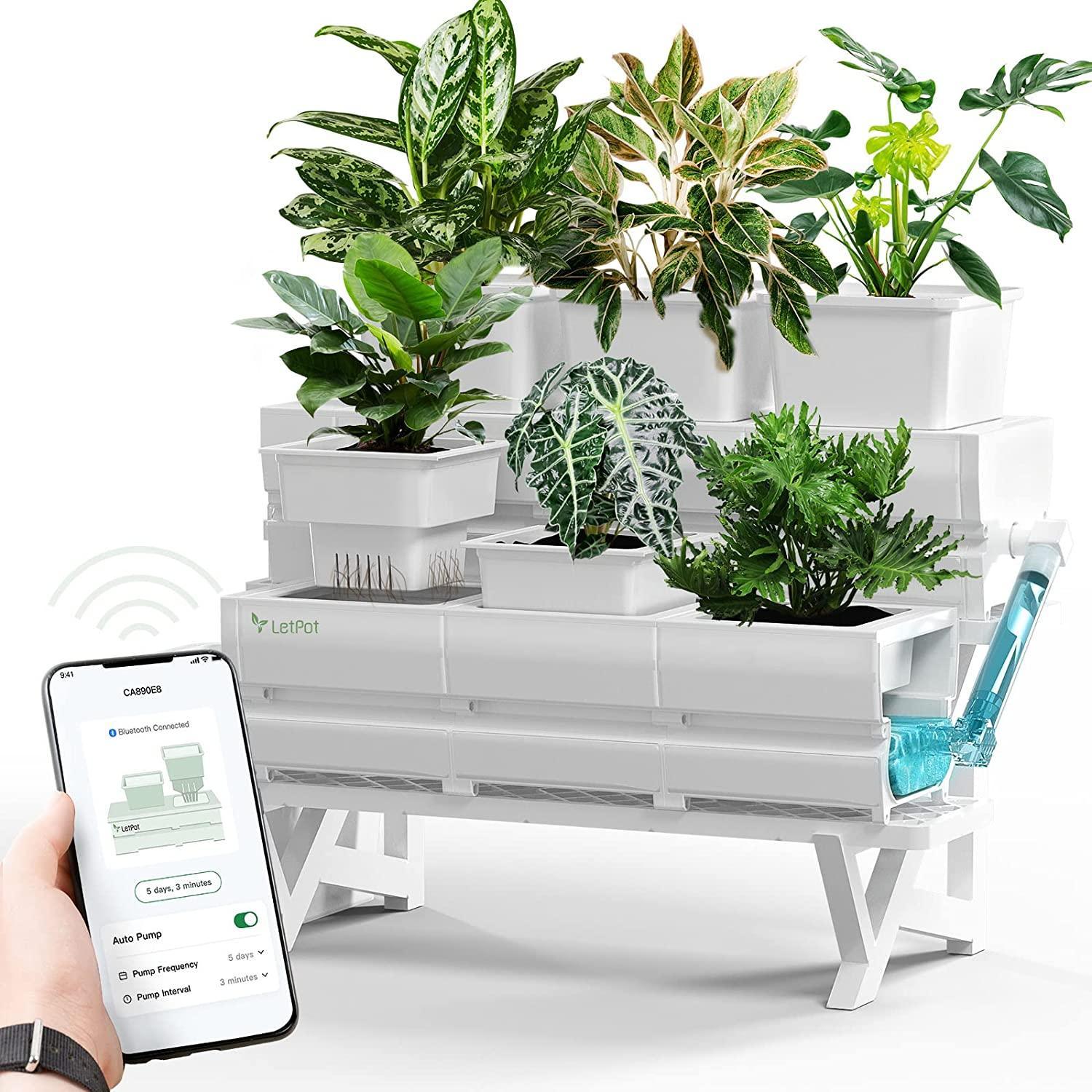
A smart hydroponic planter if you want automation and monitoring.
If you have these materials, you’re ready for the deeper steps.
Step-by-Step Guide to Growing Hydroponic Lavender

Growing lavender hydroponically is straightforward, but each step matters. Skip one, and the plant succumbs. So let’s go stage by stage.
Choosing the Right Lavender Seeds
Not all lavender varieties behave the same. English lavender (Lavandula angustifolia), the classic, is your best bet. The reason being its strong smell, production of oil, and predictable growth patterns.
Seed timeline:
- Germination: Takes about 14 - 21 days.
- Seedling stage: Takes place in 21 - 30 days.
- Vegetative growth: Happens after 30 - 60 days.
- Maturity: Reaches maturity after 60 - 120 days.
Some growers wonder if they should use clones instead? Technically yes, lavender clones root well. But indoors, seeds give you more consistent plant shape and fewer early-stage pests.
Selecting the Best Growing Medium For Lavender
The complicated part is choosing a medium that drains fast yet anchors the plant. Lavender hates “wet feet.” It prefers air around the roots and intervals of dryness.
Top hydroponic lavender media:
- Clay pellets (LECA).
- Rockwool cubes for early seedling stages.
- Coco chips mixed with perlite.
Avoid fine coco coir or tightly packed sponges. They hold too much moisture. Lavender roots need breathing room.
Maintaining Proper Water Quality And pH Levels
Lavender’s Mediterranean origins tell you everything: it prefers slightly alkaline, mineral-rich water. Indoors, this entails the maintenance of pH balance in hydroponics within the range of 6.5 to 7.5.
Why this range?
Because lavender’s nutrient absorption plummets below 6.5. You’ll see yellowing leaves, slowed growth, and weak fragrance, all avoidable.
Water quality rules:
- Use RO-filtered or low-PPM water as your base.
- Keep the reservoir oxygenated.
- Replace the solution every 1 - 2 weeks.
- Keep EC within the range for each stage listed above.
Stable pH is one of the biggest reasons hydroponic lavender succeeds compared to soil-grown lavender, which often suffers in acidic ground.
Preparing And Using Nutrient Solutions
Lavender is an herb, not a leafy green, so it requires a different nutrient profile. Less nitrogen, more potassium. And steady calcium and magnesium to support its woody stems.
You’ll prepare your nutrient solution according to the plant’s stage:
- Germination: 500 - 700 µS/cm…mild nutrients only.
- Seedling: 700 - 900 µS/cm, a balanced herb formula.
- Vegetative growth: 900 - 1200 µS/cm, boost potassium.
- Maturity: 1200 - 1500 µS/cm, highest concentration for flower formation.
Lavender is naturally drought-tolerant, so the weird part is… you must avoid overhydration even in hydroponics. Allow a short “dry-back” cycle if your system permits it, or increase aeration to keep the root zone oxygen-rich.
Providing the Right Lighting Conditions
Lavender demands 14 - 16 hours of bright light daily. Anything less reduces oil production. Indoors, full-spectrum LEDs reproduce the intense Mediterranean sun lavender evolved under.
Light height rule:
- 20 - 30 cm above seedlings.
- 30 - 45 cm above mature plants.
- If the plants stretch upward too fast, bring the lights closer.
If leaf tips bleach white, raise them slightly.
Simple checks. Big impact.
Ideal Temperature And Climate Control
Lavender wants stability, not fluctuation.
Keep these conditions:
- Temperature: 18 - 24°C.
- Humidity: 40% - 55%.
- Airflow: steady, gentle, constant.
Too much humidity invites powdery mildew. Too little airflow encourages stagnant moisture pockets around the leaves. A small oscillating fan solves both problems.
Maintenance And Daily Care For Hydroponic Lavender

Every day, check for:
- Root oxygenation
- pH drift
- EC stability
- Adequate airflow
- Dry, firm stems
- No browning at the base
Every week:
- Replace nutrient solution
- Inspect for pests
- Prune weak stems
- Wipe down LEDs and pump grills
This routine keeps lavender productive for months.
How to Prune Lavender Properly
Pruning is where most people trip up. They either prune too lightly, or too aggressively. Lavender prefers structured pruning.
Rules:
- Cut just above a leaf node.
- Never cut into the woody base (it won’t resprout).
- Encourage branching by snipping tips early.
- Remove buds if you want more foliage.
- Leave 2/3 of the plant intact at all times.
Pruning isn’t optional. Indoors, lavender grows fast and becomes leggy if ignored.
Managing Plant Spacing And Growth
Hydroponic lavender needs room.
The spacing should be:
- 20 - 25 cm between plants.
- Each plant should get full lighting.
- Move and rotate plants weekly if using fixed lights.
Lavender also grows woody over time. If stems begin to droop, add a simple support ring.
Pest Prevention And Control
Lavender acts as an insect repellant due to its oils. However, in the house, you might still meet aphids, spider mites and whiteflies. Worry not, there’s a simple solution to it. You can use neem oil, insecticidal soap, sticky traps and of course, increase the airflow.
The healthy hydroponic lavender is unlikely to get infested in case of a high air flow.
Disease Prevention and Treatment
Most lavender diseases indoors come down to moisture:
- Root rot: caused by low oxygen or excessive water exposure. Prevent with highly oxygenated systems.
- Powdery mildew: appears when humidity spikes above 60% with low airflow. Increase fans immediately.
- Botrytis: prune stems with tight rosettes and strip away dead leaves.
Lavender likes to be a bit dryer than too wet. Remember that.
When And How to Harvest Lavender

When should you harvest? Just before the flowers open. That is when the concentration of oil is maximum.
Steps:
- Look for buds showing color but not yet unfurled.
- Cut stems above a leaf node.
- Harvest in the morning for the best aroma.
- Dry stems upside down in a dark, ventilated area.
Proper timing results in a strong, sweet fragrance, exactly what lavender is famous for.
Common Questions About Hydroponic Lavender
1. Do I need a large system?
Not at all. A compact smart hydroponic planter can grow a few small lavender plants beautifully.
2. Can lavender grow in pure water?
No. It needs minerals, consistent EC, and a balanced environment.
3. Does lavender like wet roots?
Not really. That’s why root oxygenation is critical.
4. How often do I replace the nutrient reservoir?
Every 1–2 weeks.
5. How long does lavender take to flower?
Typically 90–120 days indoors depending on light strength and pruning.
Final Words
Growing lavender indoors using a hydroponics growing system is honestly one of the most rewarding herb projects you can take on. The fragrance alone transforms the space. But the deeper benefit is control. Total control. A level of precision lavender actually loves.
With the right conditions, such as, consistent temperature, strong airflow, generous lighting, and a balanced nutrient solution, lavender thrives in ways outdoor plants sometimes can’t. And once you learn the rhythm of its lifecycle, it becomes nearly effortless to maintain.
So what does that indicate? That lavender isn’t the delicate, temperamental plant many gardeners think it is. In the right indoor setup, it becomes one of the most resilient, aromatic, and satisfying herbs you can grow.
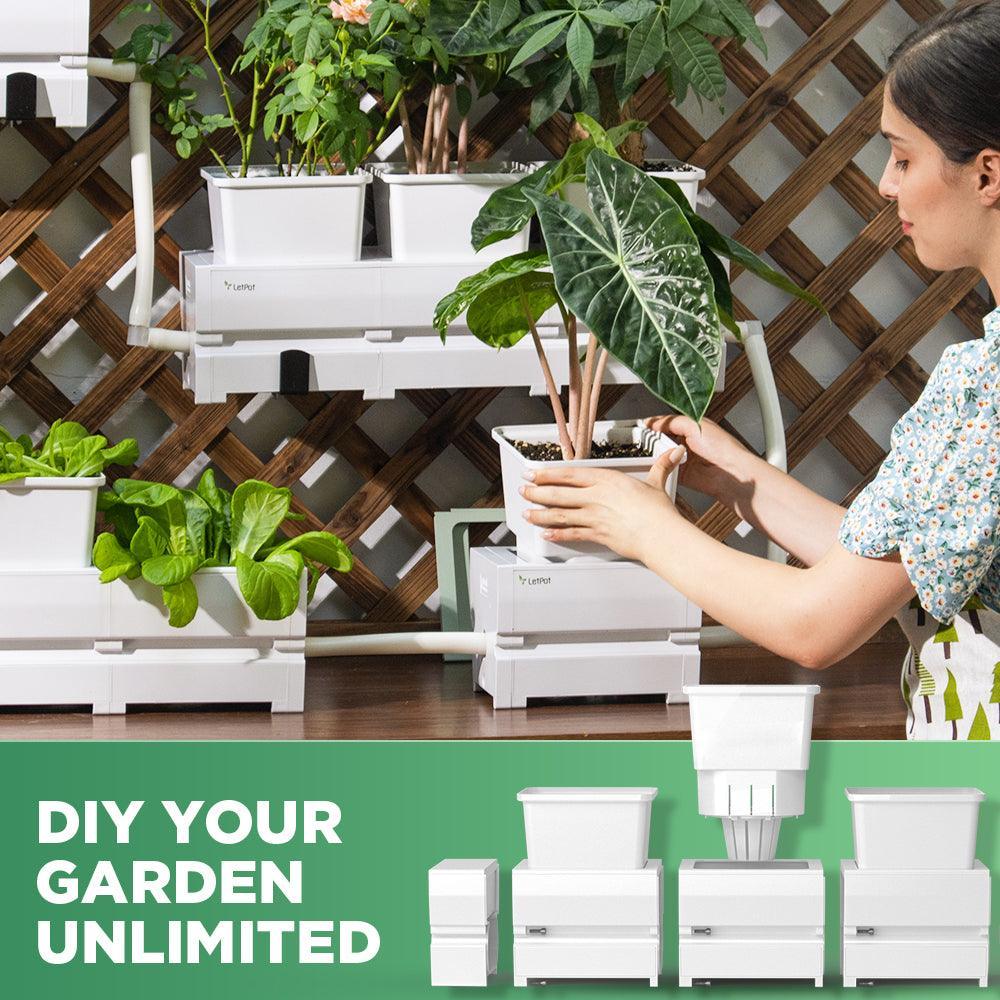
And if you ever want to scale up, simply expand your hydroponics growing system. Lavender adapts. That’s part of its charm.
Other Plant Hydroponic Growing Tips
If you are also interested in other hydroponic plants, please read related articles.
- The Best 11 Easy-To-Grow Vegetables in Hydroponics
- Top 10 Fruits to Grow in Hydroponic Systems
- Hydroponic Herbs: A Beginner's Top 10 List
- How to grow hydroponic cherry tomatoes Indoors: A Detailed Guide
- How to grow cilantro hydroponically indoors: A Beginner’s Guide
- How to grow Hydroponic Bell Peppers indoors: A Detailed Guide
- How to Grow Hydroponic Blueberries Indoors: A Detailed Guide




Leave a comment
All comments are moderated before being published.
This site is protected by hCaptcha and the hCaptcha Privacy Policy and Terms of Service apply.