

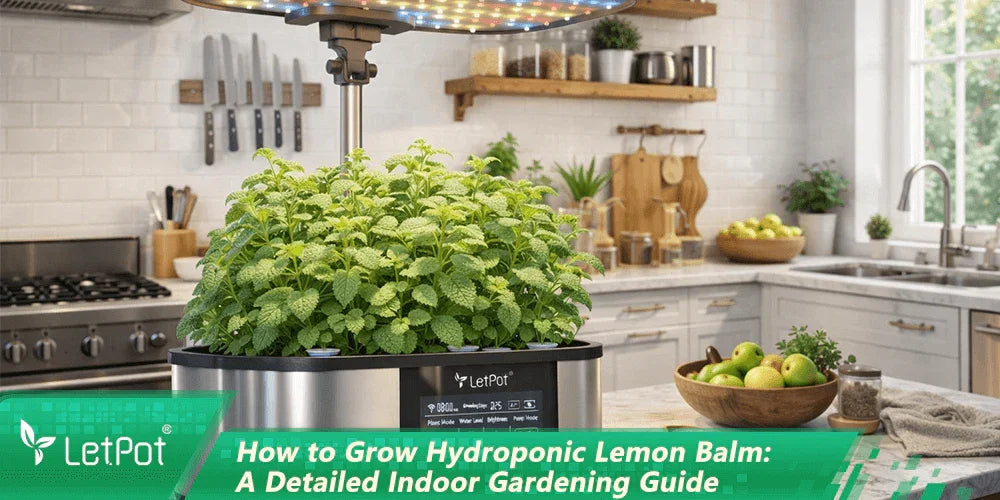
Growing herbs indoors feels almost magical, especially when the one filling your room with scent is Lemon Balm (also known as Melissa officinalis). This herb doesn’t just smell good. It tastes good, grows fast, and behaves beautifully in a well-designed hydroponics growing system. However, keep in mind that lemon balm isn’t a set-it-and-forget-it plant. It loves consistency. Stable temperatures. Balanced light. Clean water. The simple stuff you can control indoors far easier than outdoors.
And once you understand what it wants, it rewards you with lush, lemon-scented foliage for months or even years.
Let’s get into the details, and figure out what it takes to grow hydroponic Lemon Balm the right way.

What Is Hydroponic Lemon Balm And Why Grow It Indoors?
Hydroponic Lemon Balm is simply Lemon Balm grown in a water-based, soil-free environment. Instead of relying on dirt, the plant gets its nutrients directly from a precisely mixed solution. This creates faster growth, cleaner harvesting, and fewer pests.
But interestingly, Lemon Balm’s behavior indoors tells you a lot about its personality. It grows vigorously, but only when conditions are right. Indoors, you decide the light duration. You decide the humidity. You decide the nutrient strength. No unpredictability.

It follows a predictable life cycle:
- Germination: 1 - 14 days
- Seedling: 14 - 40 days
- Growth: 40 - 70 days
- Flowering: 70 - 90 days
- Maturity: 90 - 110 days
That rhythm works beautifully indoors. With consistent 18 - 24°C temperatures, 14 - 16 hours of light, and a pH range of 5.5 - 6.5, the plant grows thick, aromatic foliage, perfect for teas, oils, seasonings, and natural remedies.
Materials You'll Need For Growing Hydroponic Lemon Balm
Before jumping into planting, you need the right equipment, not fancy gadgets, just the essentials. Lemon Balm thrives when the environment is stable, and your tools create that stability.
If you’re wondering, “Do I need expensive equipment?” Not really. But the basics matter.
Essential Supplies And Setup List
Here’s the complete list:
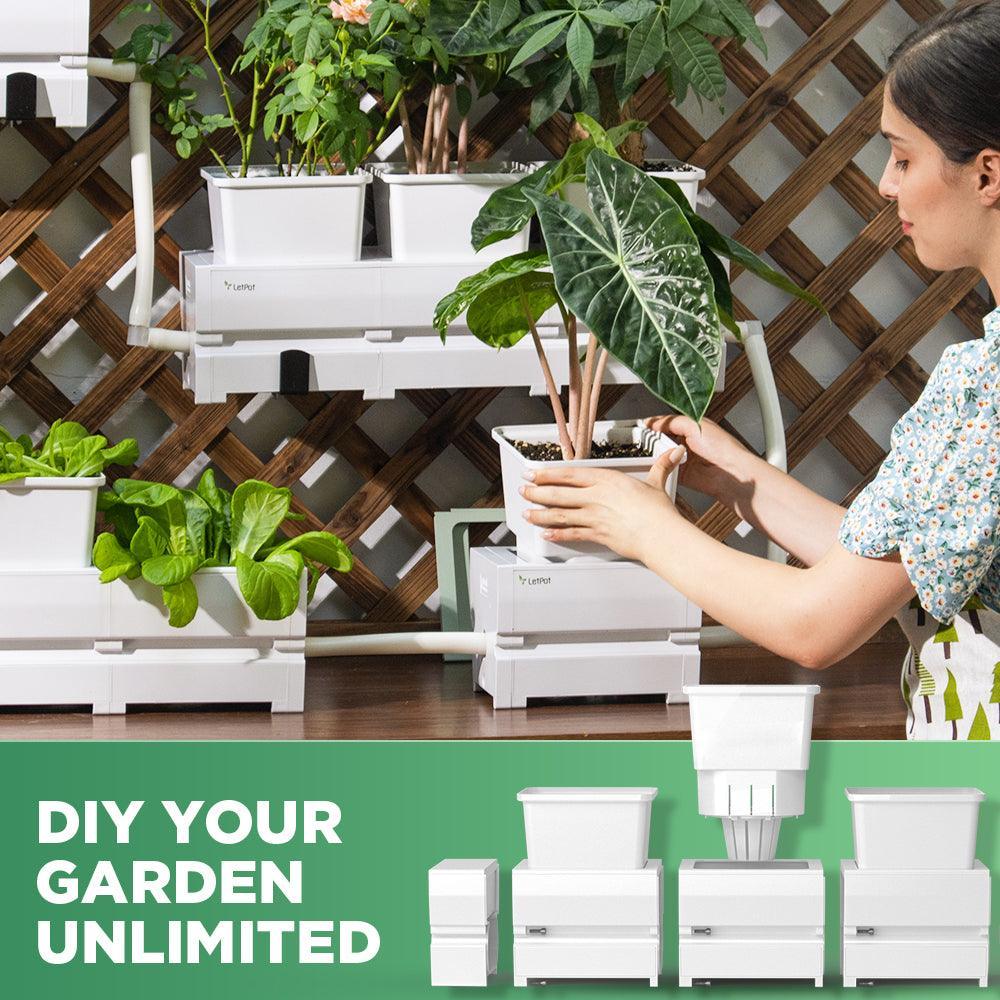
- A hydroponics growing system (this is your main setup, any style works: DWC, Kratky, NFT, etc.).
- An indoor hydroponic garden kit if you want an all-in-one beginner-friendly option.
- A seed starter kit for sprouting Lemon Balm seeds efficiently.
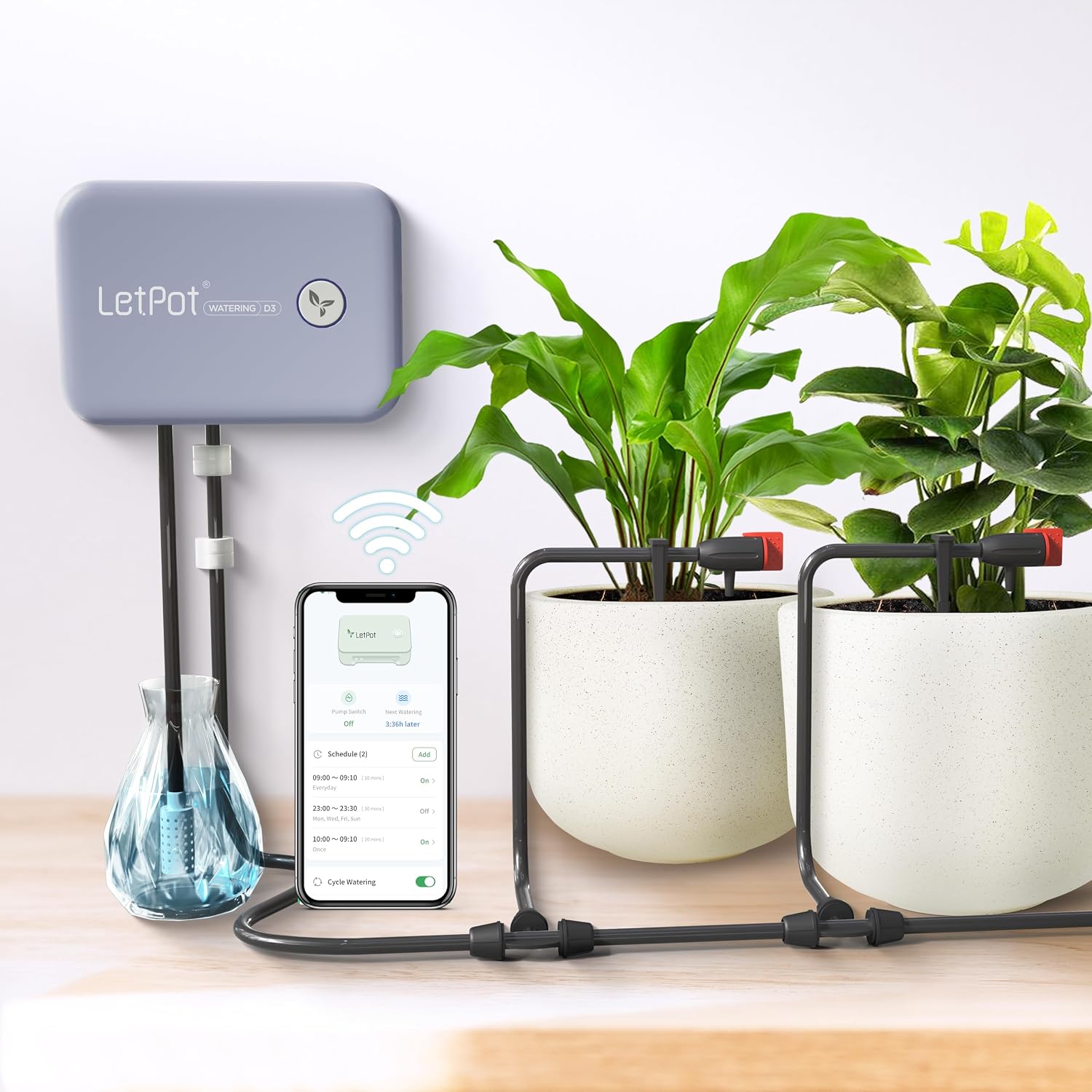
- A smart hydroponic planter (optional but great for automation).
- Two to three inches apart, net pots.
- Availability of rockwool clay pebbles, or coco air to serve as growing medium.
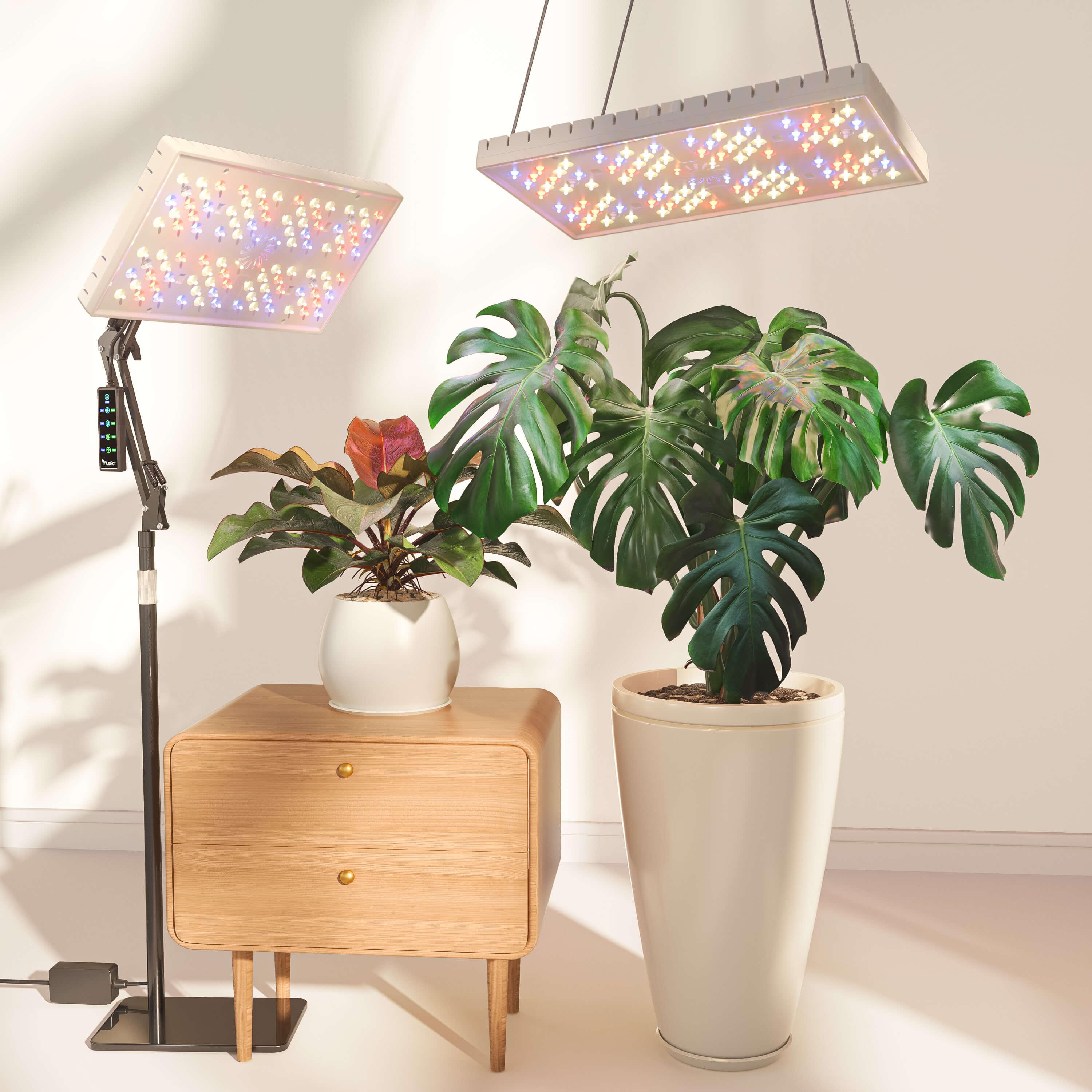
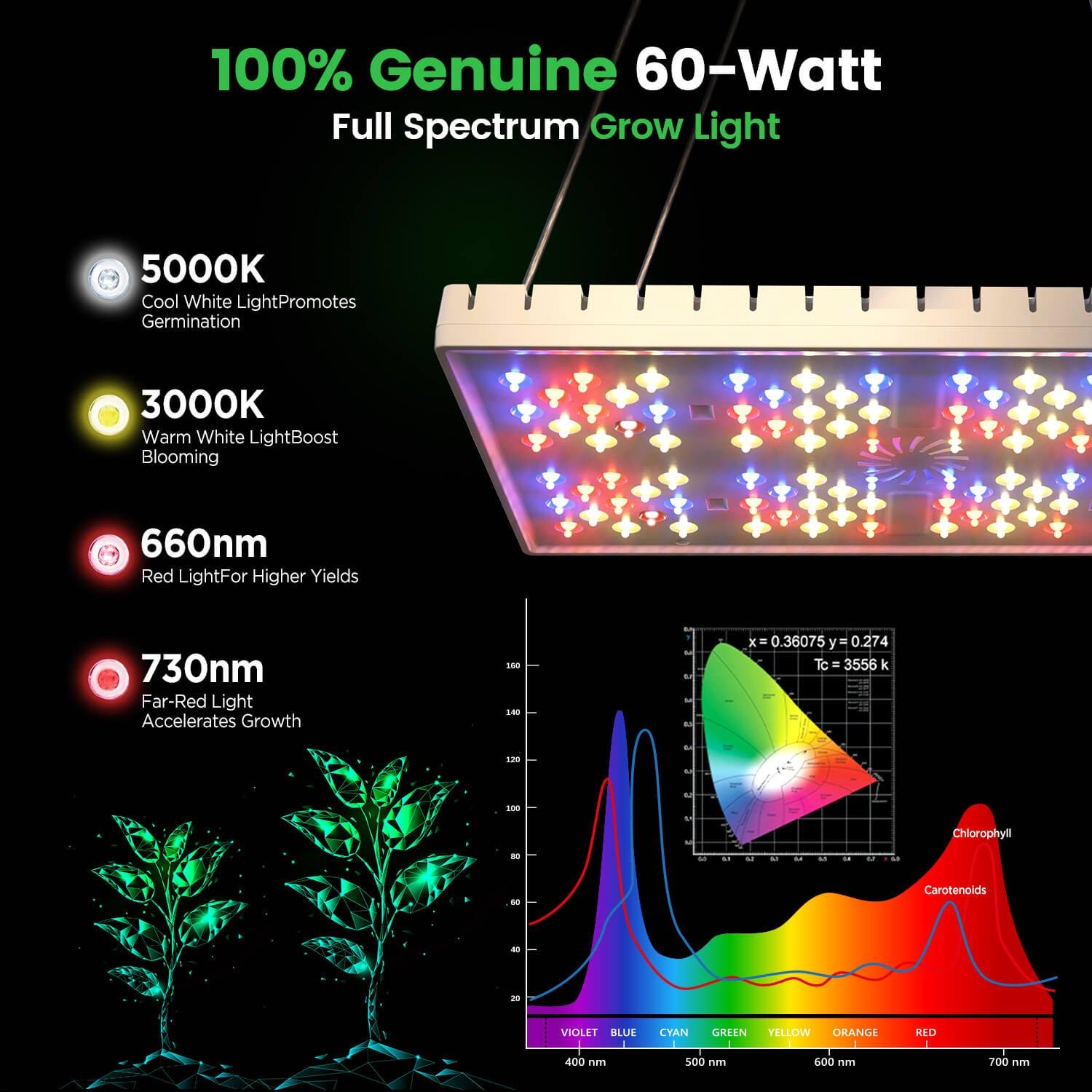
- Availability of LED grow lights that offers 14 to 16 hours of daily light.
- EC and pH meter.
- A high-quality nutrient solution formulated for leafy herbs.
- Water reservoir.
- Air pump + air stones (if using DWC).
- Scissors for pruning.
- Alcohol wipes for sterilizing equipment.
That seems like a lot, but you’ll have this setup for years. And Lemon Balm grows aggressively once established.
Step-by-Step Guide to Growing Hydroponic Lemon Balm

This section is your blueprint. Follow this sequence and you’ll avoid the most common mistakes new hydroponic growers make.
Choosing the Right Lemon Balm Seeds
Start with fresh, high-germination seed packets. Lemon Balm seeds are tiny and slightly finicky during early germination. This herb doesn't require special treated seeds, plain organic seeds work well.
Tip: Avoid older seeds. Anything older than two years takes forever to sprout.
Selecting the Best Growing Medium for Lemon Balm
Your growing medium is not soil, it simply anchors the roots. But the wrong choice makes the plant slow and leggy.
Here's what works best:
- Rockwool: Excellent for moisture retention; ideal for germination.
- Coco Coir: Natural and breathable; great for middle and late stages.
- Clay Pebbles: Perfect for systems requiring drainage and root aeration.
Rockwool + clay pebbles is a powerful combination: early stability, long-term airflow.
Maintaining Proper Water Quality and pH Levels
Water is the lifeblood of hydroponics. If you don’t respect water chemistry, your Lemon Balm will let you know by showing yellow leaves, stunted growth, and weak aroma.
The ideal pH balance in hydroponics for Lemon Balm is 5.5–6.5.
Electrical conductivity (EC) should follow the plant’s life stages:
- Germination: 600 - 800 µS/cm.
- Seedling: 800 - 1100 µS/cm.
- Growth: 1000 - 1300 µS/cm.
- Flowering: 1200 - 1400 µS/cm.
- Maturity: 1300 - 1600 µS/cm.
If you’re thinking, “This seems technical,” don’t stress. Once you measure EC a few times, it becomes second nature.
Preparing And Using Nutrient Solutions
Most failures in hydroponics come down to one thing: imbalanced nutrients. Fortunately, leafy herbs love mild to moderate nutrient strength.
Your nutrient solution should be mixed exactly according to label instructions. Too strong burns the roots. Too weak starves the plant.
Important:
- Change the reservoir every 10–14 days.
- Top off with plain water between changes.
- Check pH after every refill.
This isn’t busywork, it’s what keeps the plant lively and aromatic.
Providing the Right Lighting Conditions
Lemon Balm needs 14 - 16 hours of light every single day. That’s more than most herbs, but it matches the plant’s natural rhythm.
If you’re using the full-spectrum LED grow lights, make sure that they are:
- 20 cm to 30 cm above seedlings.
- 30 - 40 cm above mature plants.
Also, know that direct light is directly proportional to the aroma. Meaning, more light equals stronger lemon scent.
How to know if you are not providing sufficient light:
- If the plant is showing a slower growth.
- If the leaves are looking pale.
- The stems seem leggy.
How to Know if you’re proving too much light:
- If the edges of the leaves are looking crispy.
- Drooping during midday light.
Ideal Temperature And Climate Control
The ideal temperature for lemon balm is 18 - 24°C.
Higher temperatures cause stress. Lower temperatures slow growth dramatically.
- Humidity sweet spot: 40 - 60%.
- Below 30%? The leaves may dry sooner than expected.
- Above 70%? You might notice the disease pressure increasing.
-
Humidity sweet spot: 40 - 60%.
If your system has a built-in fan, great. If it doesn’t, a small circulating fan will keep the air moving.
Daily Care And Maintenance For Hydroponic Lemon Balm

Your daily routine doesn’t need to be complicated.
Here’s a realistic checklist:
- Check water level
- Check leaf color
- Ensure roots look white and healthy
- Inspect for pests
- Confirm lights are on schedule
- Feel the leaves, healthy Lemon Balm feels soft, not papery
This entire process takes five minutes.
Weekly tasks:
- Measure pH
- Measure EC
- Clean any salt buildup
- Prune lightly
Monthly tasks:
- Deep clean the system
- Sterilize tools
That said, the plant is pretty forgiving once past the seedling stage.
How to Prune Lemon Balm Properly
Pruning Lemon Balm is oddly satisfying. Cut at the right nodes and the plant comes back fuller, bushier, and more fragrant.
Pruning rules:
- Always cut above a leaf node.
- Remove long, leggy stems.
- Trim oversized leaves to encourage new shoots.
- Sterilize scissors before every cutting session.
Managing Plant Spacing and Growth
Hydroponic Lemon Balm spreads fast. If multiple plants sit too close, airflow drops and disease risk goes up.
Keep at least 15 - 20 cm of space between plants.
If you’re using a compact system like a table-top unit, grow one plant per pod.
Let us back up, why so much space? Because Lemon Balm’s root system expands aggressively in water. Tight spacing chokes roots and reduces oxygen uptake.
Pest Prevention And Control
Even indoors, pests can sneak in. Usually through open windows or on other plants.
Common culprits:
- Aphids
- Spider mites
- Whiteflies
Prevention strategies:
- Keep the grow area clean.
- Use sticky traps nearby.
- Wipe leaves weekly with plain water.
- Maintain airflow.
If pests appear, use neem oil sparingly. Lemon Balm absorbs scents, so avoid overuse.
Disease Prevention And Treatment
Most diseases come from three issues:
- Dirty equipment.
- Poor airflow.
- Overly warm or humid conditions.
Watch for:
- Powdery mildew (white dust).
- Root rot (brown, slimy roots).
- Leaf spot (brown circles).
Solutions:
- Remove infected leaves immediately.
- Increase airflow.
- Reduce humidity.
- Swap nutrient reservoir.
- Add beneficial microbes if desired.
Root rot is the big one in hydroponics, keep your reservoir oxygenated.
When And How to Harvest Lemon Balm

You can harvest once the plant reaches 15 cm tall, usually around week 6 or 7.
Harvest method:
- Cut stems, never pluck individual leaves.
- Leave at least one-third of the plant intact.
- Harvest in the morning when essential oils peak.
Regular harvesting actually makes your plant spread and thicken.
If you want maximum aroma, wait until just before flowering (around day 70 - 90). That’s when essential oil concentration spikes.
Common Questions About Hydroponic Lemon Balm
1. Does Lemon Balm need pollination?
No. You grow it for leaves, not seeds. Indoor pollination isn’t necessary.
2. Why are my leaves yellowing?
Usually pH or nutrient imbalance. Check both immediately.
3. Can Lemon Balm grow in a small system?
Absolutely. Even a single-pod countertop setup works well.
4. Is Lemon Balm hard to germinate?
Not hard, just slow. Keep moisture stable and temperatures warm during germination.
5. How long until harvest?
About 6 - 8 weeks for the first small harvest. Full maturity arrives around 90–110 days.
Final Words
Growing Lemon Balm in a hydroponics growing system gives you fresh leaves whenever you want them, no soil, no weeds, no guesswork. The plant loves structured care, steady light, and clean water. And the aroma? Unbeatable.
With the right tools, a stable nutrient reservoir, accurate pH monitoring, proper lighting, you’ll grow Lemon Balm that’s stronger, brighter, and more fragrant than anything sold in stores.
If you follow the steps above, your hydroponic setup will produce lush, citrus-scented growth month after month. And honestly, it’s hard not to feel a little proud every time you smell that first burst of lemon in the air.
Other Plant Hydroponic Growing Tips
If you are also interested in other hydroponic plants, please read related articles.
- The Best 11 Easy-To-Grow Vegetables in Hydroponics
- Top 10 Fruits to Grow in Hydroponic Systems
- Hydroponic Herbs: A Beginner's Top 10 List
- How to grow hydroponic cherry tomatoes Indoors: A Detailed Guide
- How to grow cilantro hydroponically indoors: A Beginner’s Guide
- How to grow Hydroponic Bell Peppers indoors: A Detailed Guide
- How to Grow Hydroponic Blueberries Indoors: A Detailed Guide



Leave a comment
All comments are moderated before being published.
This site is protected by hCaptcha and the hCaptcha Privacy Policy and Terms of Service apply.