
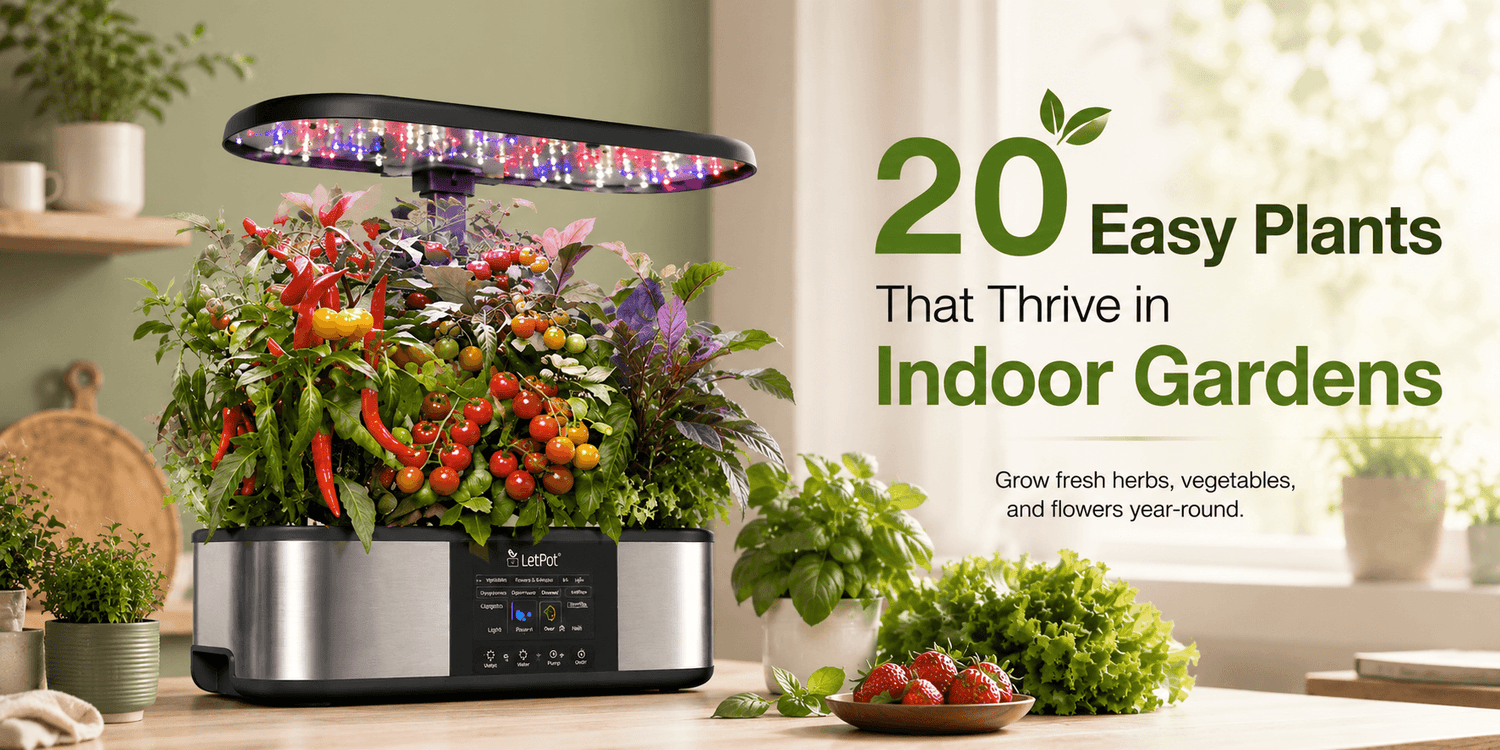
Choosing the right plants is one of the most important factors in indoor gardening success. While many plants can survive indoors, some are much better suited to the stable temperatures, limited space, and artificial lighting commonly found inside homes and apartments.
The best plants for indoor gardens typically grow quickly, adapt well to containers, and require minimal maintenance. These beginner-friendly varieties are more forgiving of small mistakes and can produce reliable results even if you are new to growing plants indoors.
In this guide, you'll discover 20 of the best indoor garden plants, including herbs, leafy greens, vegetables, and flowers. You'll also learn how to choose the right plants for your growing conditions, which varieties perform best in indoor garden systems, and which crops beginners should avoid.
How to Choose Plants for an Indoor Garden

Before selecting plants for indoor gardening, it helps to understand what makes certain varieties more successful indoors than others.
Light Requirements
Light is often the biggest limiting factor in indoor gardens. Some plants can tolerate moderate light levels, while others require intense illumination for healthy growth and production.
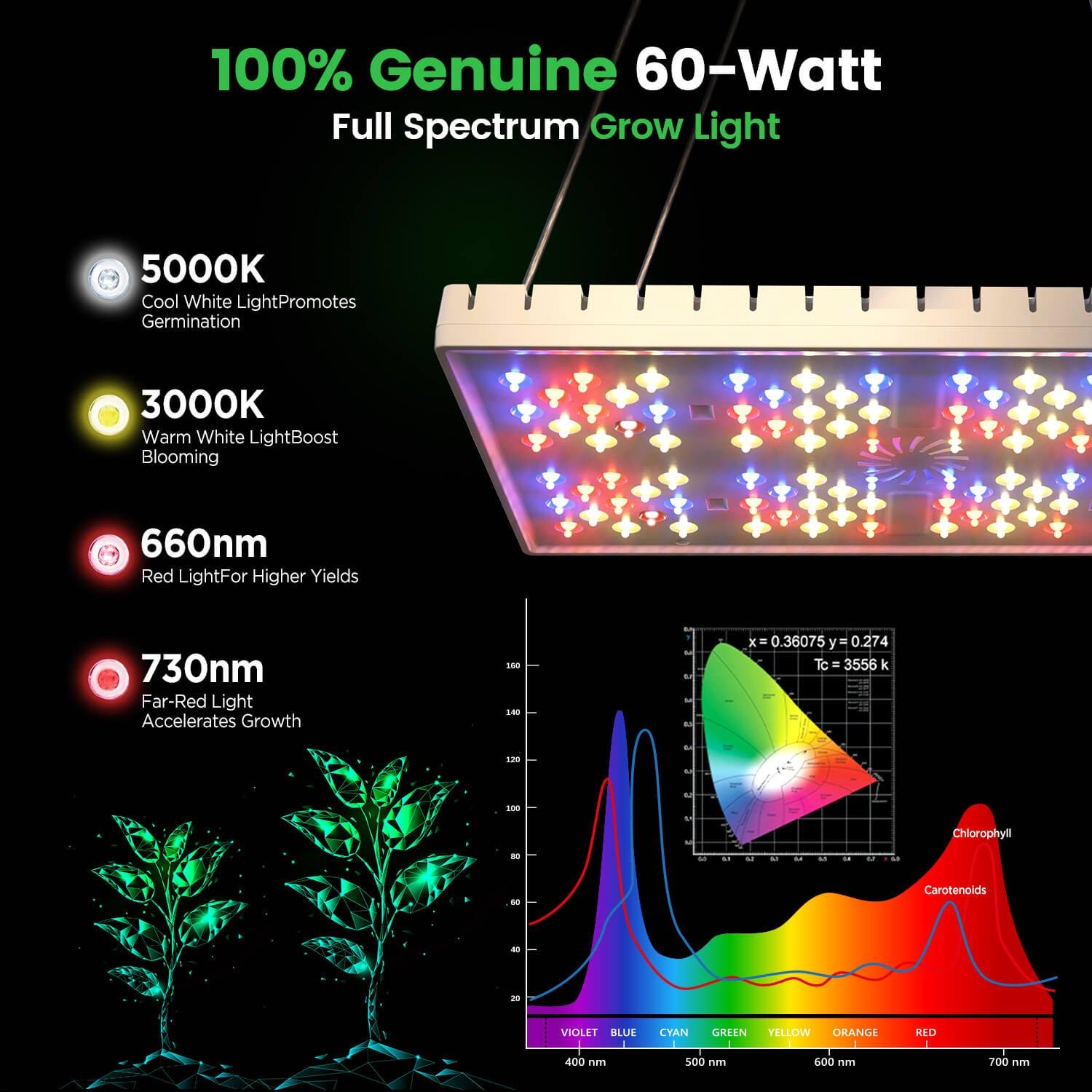
For beginners, herbs and leafy greens are usually the easiest options because they need less light than fruiting crops such as tomatoes, peppers, and cucumbers. If natural sunlight is limited, a full-spectrum grow light can significantly improve plant growth and yields.
Growth Speed
Fast-growing plants provide quicker results and help maintain motivation for new gardeners. Leaf lettuce, basil, arugula, and bok choy can often be harvested within a few weeks, making them excellent starter crops.
Plants with long growing cycles may require months of care before producing flowers or fruit, which can be more challenging for beginners.
Available Growing Space
Indoor growing space is often limited. Compact plants that stay relatively small are usually better suited to countertops, shelves, and indoor garden systems.
Herbs, leafy greens, strawberries, and dwarf vegetable varieties typically fit well in indoor environments. Large vining crops and sprawling plants may quickly outgrow available space.
Maintenance Level
Some plants require frequent pruning, pollination, staking, or nutrient adjustments. Others can thrive with very little attention.
For first-time gardeners, low-maintenance plants such as mint, chives, lettuce, and parsley often provide the highest success rates while requiring minimal effort.
Best Herbs for Indoor Gardens

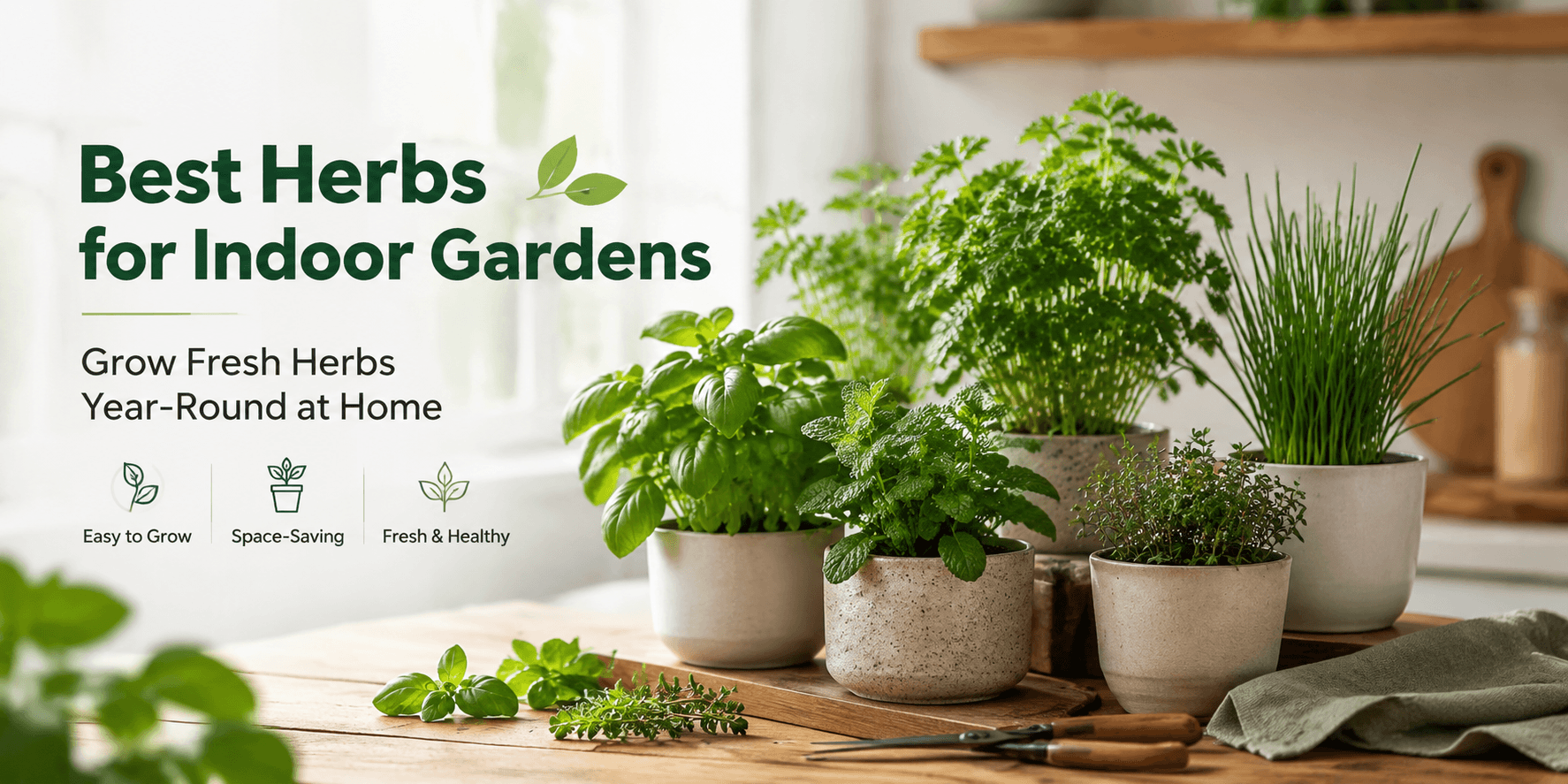
Herbs are often considered the easiest and most rewarding plants for indoor gardening. Most varieties grow well in containers, require relatively little space, and can be harvested continuously throughout the growing season. Fresh herbs are also among the most expensive grocery items by weight, making them an excellent choice for indoor gardeners.
Basil
Difficulty: Easy
Light Needs: 6–8 hours of bright light daily
Time to Harvest: 4–6 weeks
Basil is one of the most popular herbs for indoor gardens because it grows quickly and produces abundant leaves. It performs especially well in indoor garden systems and hydroponic setups where moisture and nutrients remain consistent.
Growing Tips:
- Harvest regularly to encourage bushier growth.
- Pinch off flower buds as they appear.
- Keep temperatures between 70–85°F (21–29°C).
- Provide strong light for the best flavor and leaf production.
Mint
Difficulty: Very Easy
Light Needs: 4–6 hours of light daily
Time to Harvest: 3–5 weeks
Mint is one of the easiest plants to grow indoors. It grows vigorously, tolerates a wide range of conditions, and recovers quickly after harvesting. Because of its aggressive growth habit, mint is best grown in its own container.
Growing Tips:
- Harvest frequently to prevent legginess.
- Maintain evenly moist growing media.
- Trim stems regularly to encourage branching.
- Place near a bright window or under grow lights.
Parsley
Difficulty: Easy
Light Needs: 5–7 hours of light daily
Time to Harvest: 6–8 weeks
Parsley grows more slowly than basil or mint but rewards gardeners with a steady supply of fresh leaves. Both curly and flat-leaf varieties adapt well to indoor environments.
Growing Tips:
- Keep the growing medium consistently moist.
- Harvest outer stems first.
- Provide moderate airflow to reduce disease pressure.
- Use deep containers to support root development.
Cilantro
Difficulty: Moderate
Light Needs: 6–8 hours of light daily
Time to Harvest: 4–6 weeks
Cilantro is a fast-growing herb that performs well indoors when temperatures remain cool. Excessive heat often causes plants to bolt and produce flowers prematurely.
Growing Tips:
- Maintain temperatures below 75°F (24°C) when possible.
- Succession sow every few weeks for continuous harvests.
- Harvest leaves regularly before flowering begins.
- Use bright lighting to encourage compact growth.
Chives
Difficulty: Very Easy
Light Needs: 4–6 hours of light daily
Time to Harvest: 3–5 weeks
Chives are among the most reliable herbs for indoor gardening. Their compact growth habit makes them ideal for small spaces, countertops, and indoor garden systems.
Growing Tips:
- Cut leaves about 2 inches above the base.
- Divide mature plants when growth becomes crowded.
- Provide moderate watering.
- Harvest frequently to encourage new growth.
Thyme
Difficulty: Easy
Light Needs: 6–8 hours of bright light daily
Time to Harvest: 6–8 weeks
Thyme is a hardy Mediterranean herb that adapts surprisingly well to indoor growing. Its compact size and drought tolerance make it one of the best indoor garden plants for busy gardeners.
Growing Tips:
- Allow the growing medium to dry slightly between watering.
- Provide strong light for dense growth.
- Avoid overwatering.
- Prune regularly to maintain shape and encourage fresh growth.
Best Leafy Greens for Indoor Gardens

Leafy greens are among the most productive plants for indoor gardening. They grow quickly, require less light than fruiting crops, and can often be harvested multiple times from a single planting. Many varieties are ready to eat within a month, making them ideal for beginners who want fast results.
Lettuce
Difficulty: Very Easy
Light Needs: 4–6 hours of light daily
Time to Harvest: 25–40 days
Lettuce is one of the most popular vegetables to grow indoors. Loose-leaf varieties are especially beginner-friendly because individual leaves can be harvested continuously while the plant keeps growing.
Growing Tips:
- Harvest outer leaves first.
- Maintain cool temperatures for the best flavor.
- Keep moisture levels consistent.
- Grow multiple varieties for continuous harvests.
Spinach
Difficulty: Easy
Light Needs: 5–6 hours of light daily
Time to Harvest: 30–45 days
Spinach grows well indoors during cooler conditions and produces nutrient-dense leaves that can be harvested repeatedly. It performs particularly well under full-spectrum grow lights.
Growing Tips:
- Keep temperatures between 60–70°F (16–21°C).
- Harvest young leaves for a milder taste.
- Avoid letting plants dry out completely.
- Provide good airflow around foliage.
Kale
Difficulty: Easy
Light Needs: 6–8 hours of light daily
Time to Harvest: 40–60 days
Kale is one of the most resilient vegetables to grow indoors. The plants continue producing leaves for months when harvested properly, making them highly productive in indoor garden systems.
Growing Tips:
- Pick lower leaves first.
- Maintain moderate moisture levels.
- Provide strong lighting for compact growth.
- Remove yellowing leaves promptly.
Arugula
Difficulty: Very Easy
Light Needs: 4–6 hours of light daily
Time to Harvest: 20–30 days
Arugula is one of the fastest-growing indoor garden plants available. Its peppery flavor and rapid growth make it a favorite among beginner gardeners.
Growing Tips:
- Harvest leaves while young and tender.
- Sow new seeds every few weeks.
- Keep temperatures relatively cool.
- Water consistently for best growth.
Bok Choy
Difficulty: Easy
Light Needs: 5–7 hours of light daily
Time to Harvest: 30–50 days
Bok choy is a compact Asian green that adapts exceptionally well to indoor environments. Baby bok choy can be harvested early, while mature plants provide larger heads for cooking.
Growing Tips:
- Provide consistent moisture.
- Avoid extreme temperature fluctuations.
- Harvest young plants for quicker yields.
- Use grow lights during shorter winter days.
Leafy greens are often the highest-success category for indoor gardeners because they grow quickly, require relatively little maintenance, and thrive in both soil-based and hydroponic indoor garden systems. Many gardeners start with lettuce or arugula before expanding into other vegetables and herbs.

Fruiting plants can be highly rewarding because they produce fresh vegetables and fruit directly inside your home. However, they generally require stronger lighting, more nutrients, and longer growing cycles than herbs or leafy greens.
For the best results, fruiting crops should be grown under full-spectrum grow lights. While they require more attention, compact varieties can thrive in indoor garden systems and containers when given the right conditions.
Cherry Tomatoes
Difficulty: Moderate
Light Needs: 10–14 hours of strong light daily
Time to Harvest: 60–90 days
Cherry tomatoes are among the easiest fruiting vegetables to grow indoors. Compact and dwarf varieties produce abundant harvests while requiring less space than traditional tomato plants.
Growing Tips:
- Use strong grow lights for maximum yields.
- Support plants with small stakes or cages.
- Gently shake flowers to improve pollination.
- Remove lower leaves as plants mature.
Mini Peppers
Difficulty: Moderate
Light Needs: 10–14 hours of strong light daily
Time to Harvest: 70–100 days
Mini sweet peppers and compact chili pepper varieties adapt well to indoor environments. Their small plant size makes them easier to manage than full-sized pepper plants.
Growing Tips:
- Maintain warm temperatures.
- Provide consistent moisture.
- Use a small brush or gentle shaking for pollination.
- Harvest regularly to encourage continued production.
Strawberries
Difficulty: Moderate
Light Needs: 8–12 hours of bright light daily
Time to Harvest: 60–90 days
Day-neutral strawberry varieties are excellent choices for indoor gardens because they can produce fruit throughout much of the year when conditions remain favorable.
Growing Tips:
- Choose compact or hanging varieties.
- Ensure good air circulation.
- Hand-pollinate flowers if necessary.
- Remove damaged leaves and runners.
Dwarf Cucumbers
Difficulty: Moderate to Difficult
Light Needs: 10–14 hours of strong light daily
Time to Harvest: 50–70 days
Modern compact cucumber varieties are far better suited to indoor growing than traditional garden cucumbers. Many produce high yields while remaining manageable in containers.
Growing Tips:
- Use trellises or supports to save space.
- Maintain consistent watering.
- Provide strong airflow around plants.
- Pollinate flowers manually if required.
Why Fruiting Plants Need More Light
Unlike herbs and leafy greens, fruiting plants must generate enough energy to support flowering and fruit production. This significantly increases their light requirements.
Most indoor gardeners achieve better results by using dedicated grow lights rather than relying solely on window sunlight. Consistent lighting not only improves yields but also promotes healthier growth and more reliable flowering.
Expect Longer Growing Cycles
One important difference between leafy greens and fruiting crops is patience. While lettuce may be ready in under a month, tomatoes, peppers, strawberries, and cucumbers often require several months before producing harvestable fruit.
For beginners, it is often helpful to grow herbs and leafy greens alongside fruiting plants. This provides quick harvests while waiting for larger crops to mature.
Best Flowers for Indoor Gardens

Flowers add color, fragrance, and visual interest to indoor gardens. Many flowering plants also attract beneficial pollinators when moved outdoors seasonally, while some edible flowers can even be used in salads and teas.
Like fruiting vegetables, many flowering plants benefit from supplemental grow lights, especially during winter when natural daylight hours are shorter.
Petunias
Difficulty: Easy
Light Needs: 8–12 hours of bright light daily
Bloom Time: 8–12 weeks
Petunias produce abundant blooms and adapt well to containers and indoor growing systems when provided with sufficient light.
Growing Tips:
- Remove faded flowers regularly.
- Provide strong lighting for continuous blooming.
- Avoid overwatering.
- Prune leggy growth to encourage branching.
Marigolds
Difficulty: Very Easy
Light Needs: 6–8 hours of bright light daily
Bloom Time: 6–8 weeks
Marigolds are among the easiest flowers to grow indoors. Their bright yellow and orange blooms provide long-lasting color throughout the growing season.
Growing Tips:
- Deadhead spent flowers frequently.
- Maintain moderate moisture levels.
- Place near bright windows or grow lights.
- Avoid excessive fertilization.
African Violets
Difficulty: Easy
Light Needs: Moderate indirect light
Bloom Time: 8–16 weeks
African violets are classic indoor flowering plants known for their ability to bloom year-round under proper conditions.
Growing Tips:
- Avoid wetting the leaves.
- Water from the bottom when possible.
- Keep temperatures stable.
- Use containers with good drainage.
Nasturtiums
Difficulty: Easy
Light Needs: 6–8 hours of light daily
Bloom Time: 6–8 weeks
Nasturtiums produce colorful edible flowers and attractive foliage. Both the flowers and leaves can be used in salads.
Growing Tips:
- Avoid excessive fertilizer.
- Provide bright lighting.
- Harvest flowers regularly.
- Use compact varieties for indoor spaces.
Calendula
Difficulty: Easy
Light Needs: 6–8 hours of light daily
Bloom Time: 6–10 weeks
Calendula produces cheerful orange and yellow flowers that bloom over a long period. The petals are edible and commonly used in herbal preparations.
Growing Tips:
- Remove spent blooms regularly.
- Maintain consistent moisture.
- Grow under bright light.
- Harvest flowers frequently to encourage new blooms.
The Best Indoor Plants for Beginners
While all of the plants in this guide can be grown indoors, some are especially well suited to first-time gardeners.
Fastest Growing Plants
If you want quick results, start with:
- Arugula
- Lettuce
- Chives
- Mint
- Basil
These plants can often provide harvests within a few weeks of planting.
Lowest Maintenance Plants
For gardeners seeking the easiest plants to grow indoors, consider:
- Mint
- Chives
- Thyme
- Lettuce
- Kale
These varieties tolerate minor mistakes and generally require minimal attention.
Best Plants for Small Spaces
Limited room does not mean limited harvests. The following plants remain compact and productive:
- Chives
- Thyme
- Parsley
- Strawberries
- Bok Choy
Most fit comfortably on countertops, shelves, or indoor garden systems.
Best Plants for First-Time Gardeners
If you're starting your first indoor garden, these plants offer the highest chance of success:
- Basil
- Mint
- Lettuce
- Arugula
- Chives
They grow quickly, require relatively simple care, and provide consistent harvests throughout the season.
Plants That Perform Best in Indoor Garden Systems
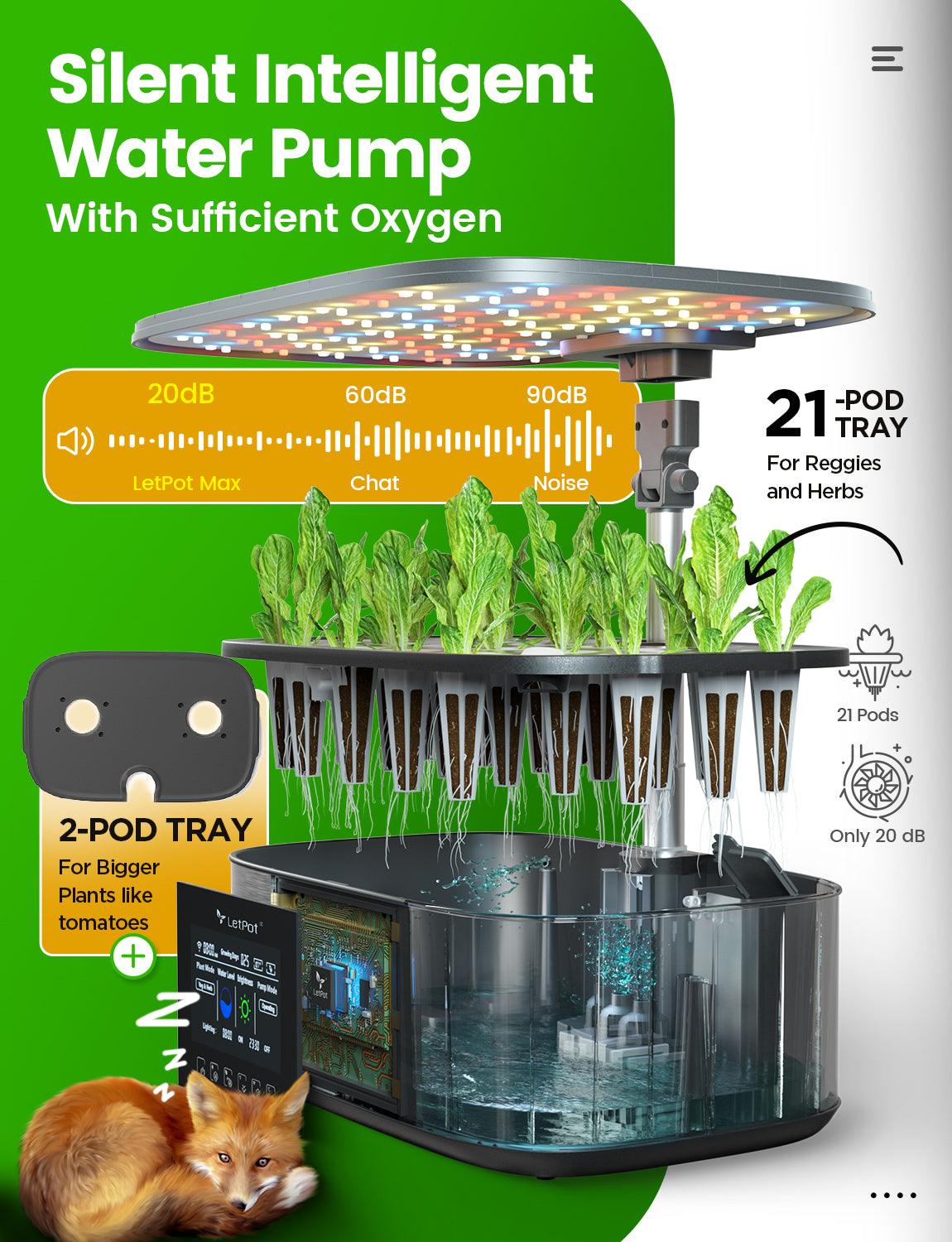
Not all plants respond equally well to indoor garden systems. The most successful varieties are typically compact, fast-growing, and capable of producing high yields in limited space. These plants also benefit from consistent water delivery, balanced nutrients, and controlled lighting.
Best Herbs for Indoor Garden Systems
Herbs are often the top performers in indoor garden systems because they grow quickly and can be harvested repeatedly.
Recommended herbs include:
- Basil
- Mint
- Parsley
- Chives
- Cilantro
- Thyme
These herbs typically develop faster under controlled indoor conditions than they do in traditional containers.
Best Leafy Greens for Indoor Garden Systems
Leafy greens are among the most productive crops for indoor gardening. Many varieties can be harvested multiple times before replanting.
Top choices include:
- Lettuce
- Spinach
- Kale
- Arugula
- Bok Choy
Because leafy greens focus on foliage production rather than flowering or fruiting, they generally achieve excellent results under moderate lighting.
Best Compact Vegetables for Indoor Garden Systems
Some vegetables have been bred specifically for small-space gardening and indoor cultivation.
Recommended compact vegetables include:
- Cherry Tomatoes
- Mini Peppers
- Dwarf Cucumbers
- Baby Bok Choy
- Compact Kale Varieties
These plants make efficient use of limited growing space while still producing meaningful harvests.
Plants That Benefit Most from Grow Lights
While nearly all indoor garden plants benefit from supplemental lighting, some crops depend on it for strong performance.
Plants that typically require grow lights include:
- Cherry Tomatoes
- Mini Peppers
- Strawberries
- Dwarf Cucumbers
- Petunias
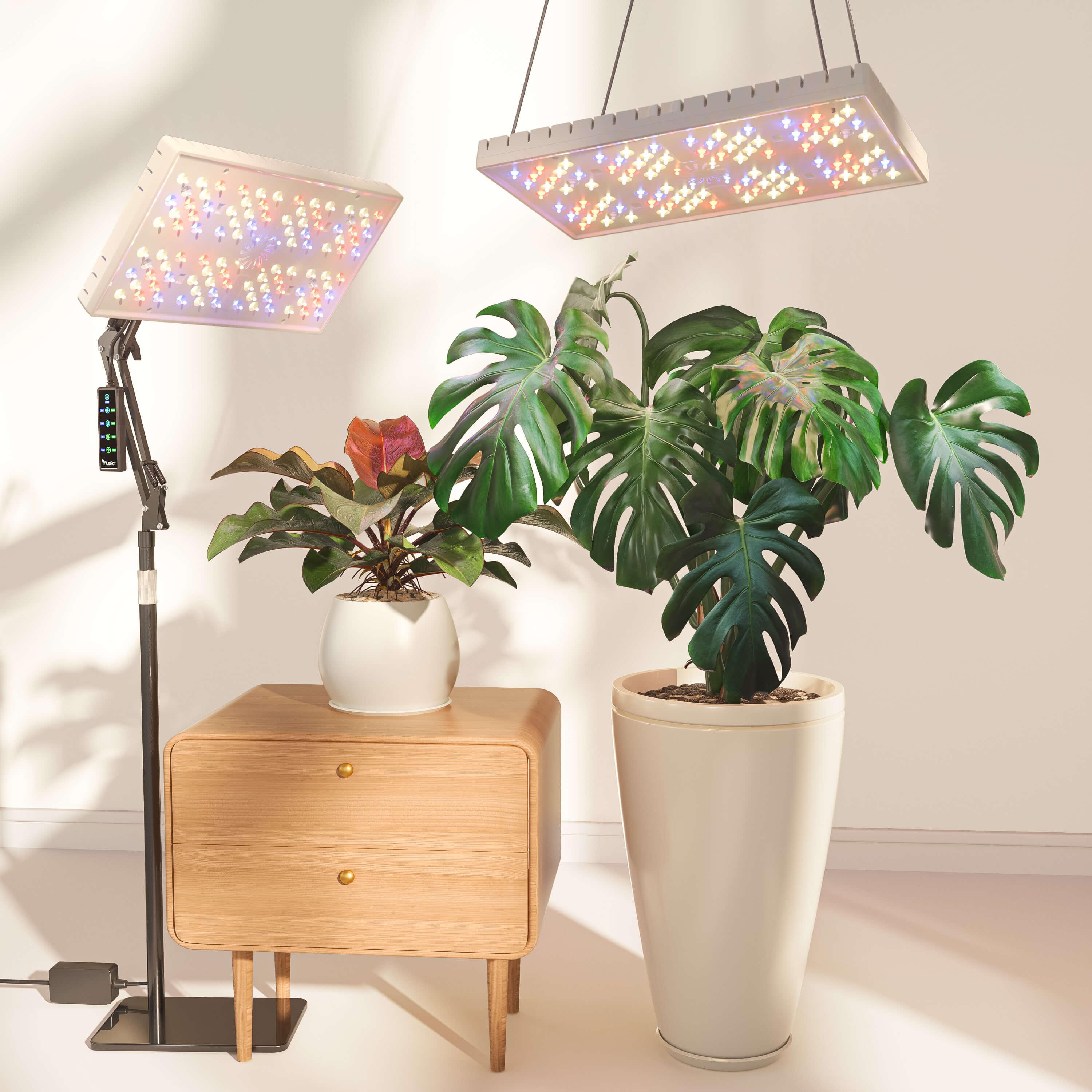
Grow lights help provide the intensity and duration of light needed for flowering, fruit production, and healthy growth, especially during winter months or in rooms with limited sunlight.
Plants Beginners Should Avoid
Some crops are technically possible to grow indoors but are often frustrating for beginners. They usually require large amounts of space, intense lighting, long growing seasons, or specialized care.
Starting with easier plants dramatically improves success rates and helps build confidence.
Corn
Corn is generally a poor choice for indoor gardening because plants become very tall and require large amounts of light.
Common Challenges:
- Requires significant vertical space
- Needs strong lighting
- Wind pollination is difficult indoors
- Produces relatively low yields in containers
Pumpkins
Pumpkins are vigorous plants that quickly outgrow most indoor spaces.
Common Challenges:
- Extensive vine growth
- Large root systems
- Heavy nutrient requirements
- Requires substantial space for fruit development
Watermelons
Watermelons need long growing seasons and large growing areas that are difficult to provide indoors.
Common Challenges:
- Large vines
- High light requirements
- Long time to harvest
- Large fruit size
Large Root Vegetables
Many root crops can be grown indoors, but larger varieties often require deep containers and extended growing periods.
Examples include:
- Full-size carrots
- Large beets
- Parsnips
- Rutabagas
Common Challenges:
- Deep root requirements
- Slow growth
- Limited container compatibility
Large Vining Crops
Some vegetables simply become too large for most indoor environments.
Examples include:
- Winter squash
- Large cucumbers
- Melons
- Pole beans grown without sufficient support
Common Challenges:
- Limited indoor space
- High maintenance
- Complex support structures
- Reduced productivity indoors
In most cases, beginners will achieve far better results by focusing on herbs, leafy greens, strawberries, and compact vegetable varieties specifically bred for container growing.
Frequently Asked Questions
What is the easiest plant to grow indoors?
Mint is often considered the easiest plant to grow indoors because it adapts to a wide range of conditions and grows quickly. Other beginner-friendly options include chives, lettuce, basil, and arugula. These plants require minimal maintenance and produce reliable harvests.
What vegetables grow best indoors?
Leafy greens are generally the best vegetables to grow indoors. Lettuce, spinach, kale, arugula, and bok choy grow quickly, require relatively little space, and perform well under both natural light and grow lights. Compact varieties of cherry tomatoes and mini peppers are also popular choices.
What herbs grow fastest indoors?
Several herbs can be harvested within a few weeks of planting. The fastest-growing herbs for indoor gardens include:
- Basil
- Mint
- Chives
- Cilantro
Regular harvesting encourages continued growth and helps maximize yields.
Can flowers grow in indoor garden systems?
Yes. Many flowers grow successfully in indoor garden systems when provided with adequate light and nutrients. Petunias, marigolds, African violets, nasturtiums, and calendula are among the most popular options. Flowering plants typically perform best under full-spectrum grow lights.
Can you grow food indoors year-round?
Yes. One of the biggest advantages of indoor gardening is the ability to grow fresh food throughout the year. Indoor environments protect plants from seasonal weather changes, while grow lights help provide consistent lighting regardless of outdoor conditions.
Do indoor plants need grow lights?
Not always. Some plants can grow near bright windows with sufficient natural sunlight. However, grow lights often improve plant health, growth speed, and harvest yields. Fruiting plants such as tomatoes, peppers, strawberries, and cucumbers usually benefit the most from supplemental lighting.
Conclusion
The best plants for indoor gardens are those that match your available space, lighting conditions, and gardening experience. For most beginners, herbs and leafy greens offer the fastest path to success because they grow quickly, require little maintenance, and produce frequent harvests.
If you're just getting started, focus on easy indoor plants such as basil, mint, lettuce, arugula, and chives. As your confidence grows, you can expand into fruiting crops like cherry tomatoes, mini peppers, strawberries, and dwarf cucumbers.
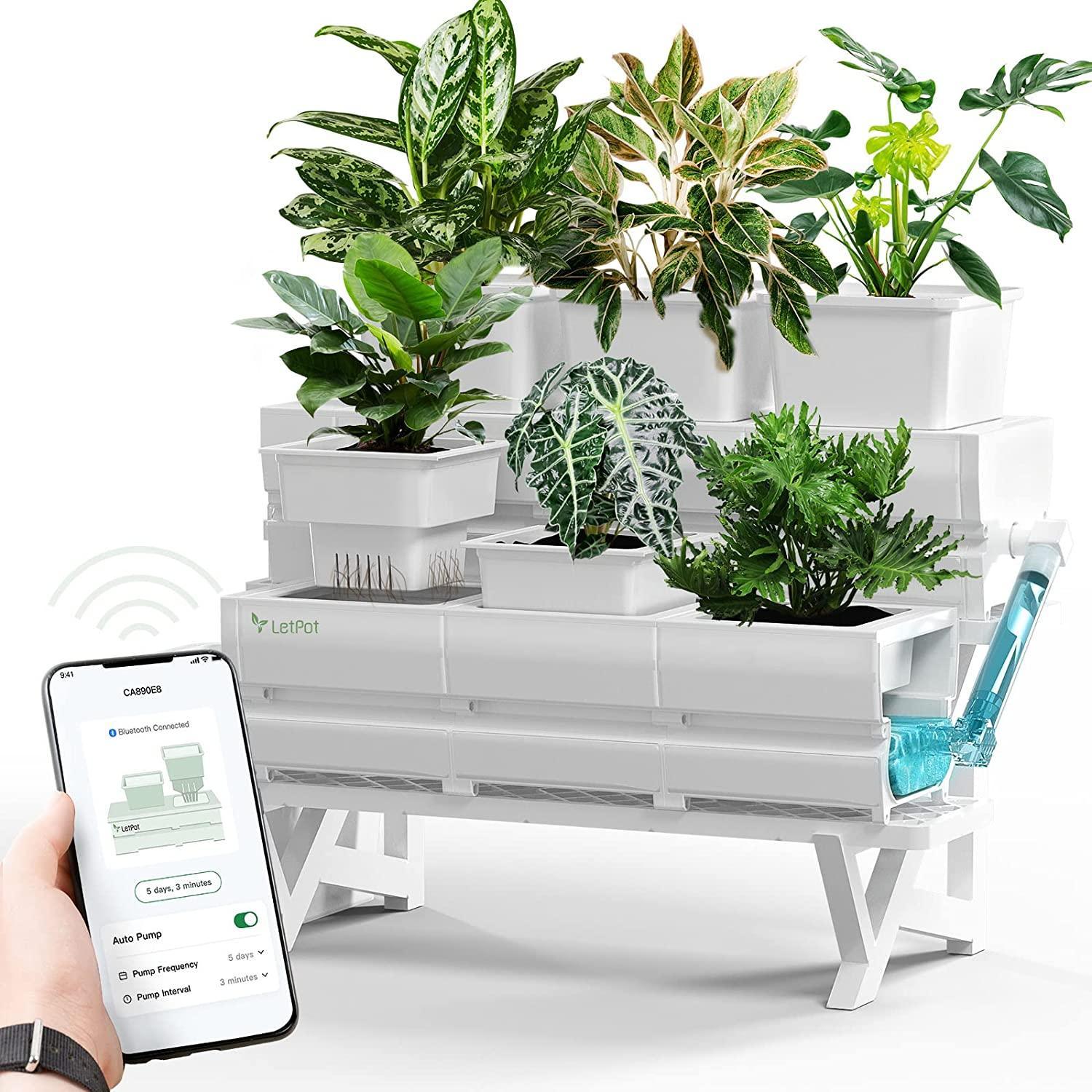
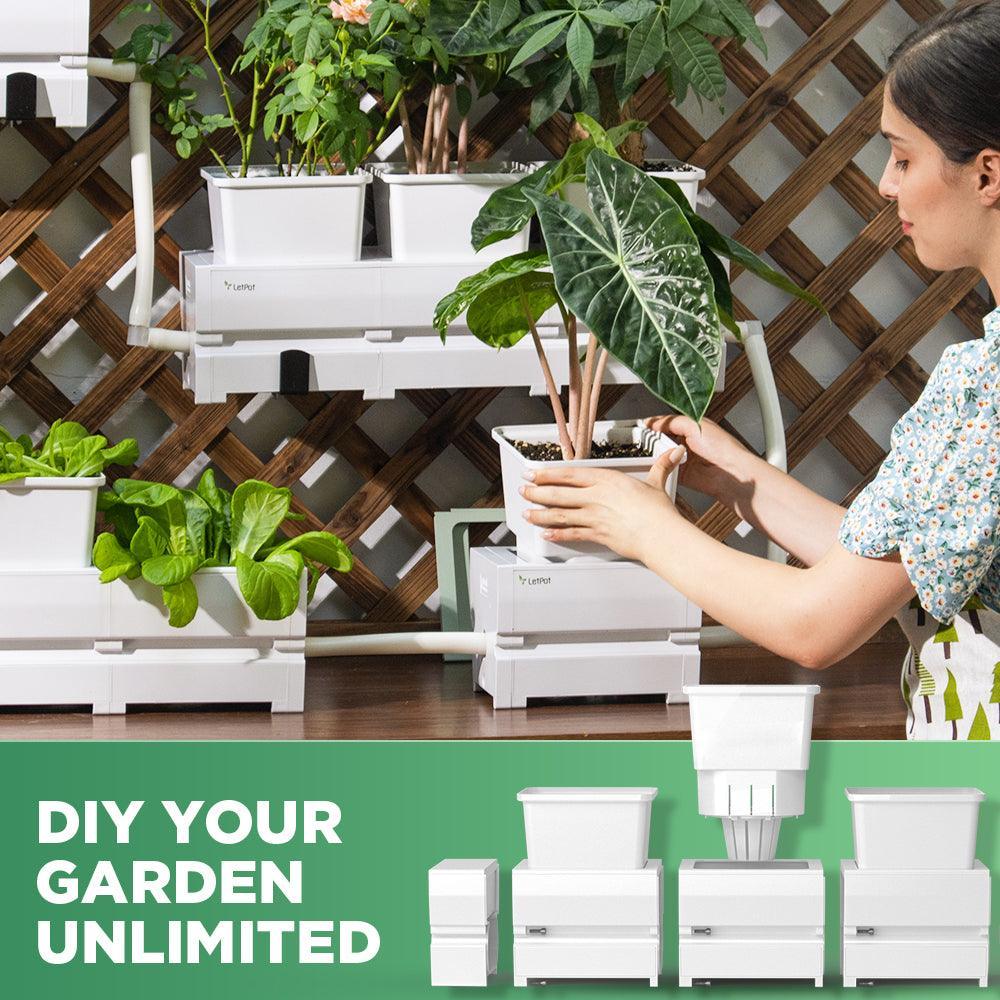
Modern indoor garden systems and grow lights make it easier than ever to grow fresh food indoors year-round. By choosing plants that grow well indoors and fit your environment, you can enjoy a productive indoor garden regardless of the season.



Leave a comment
All comments are moderated before being published.
This site is protected by hCaptcha and the hCaptcha Privacy Policy and Terms of Service apply.