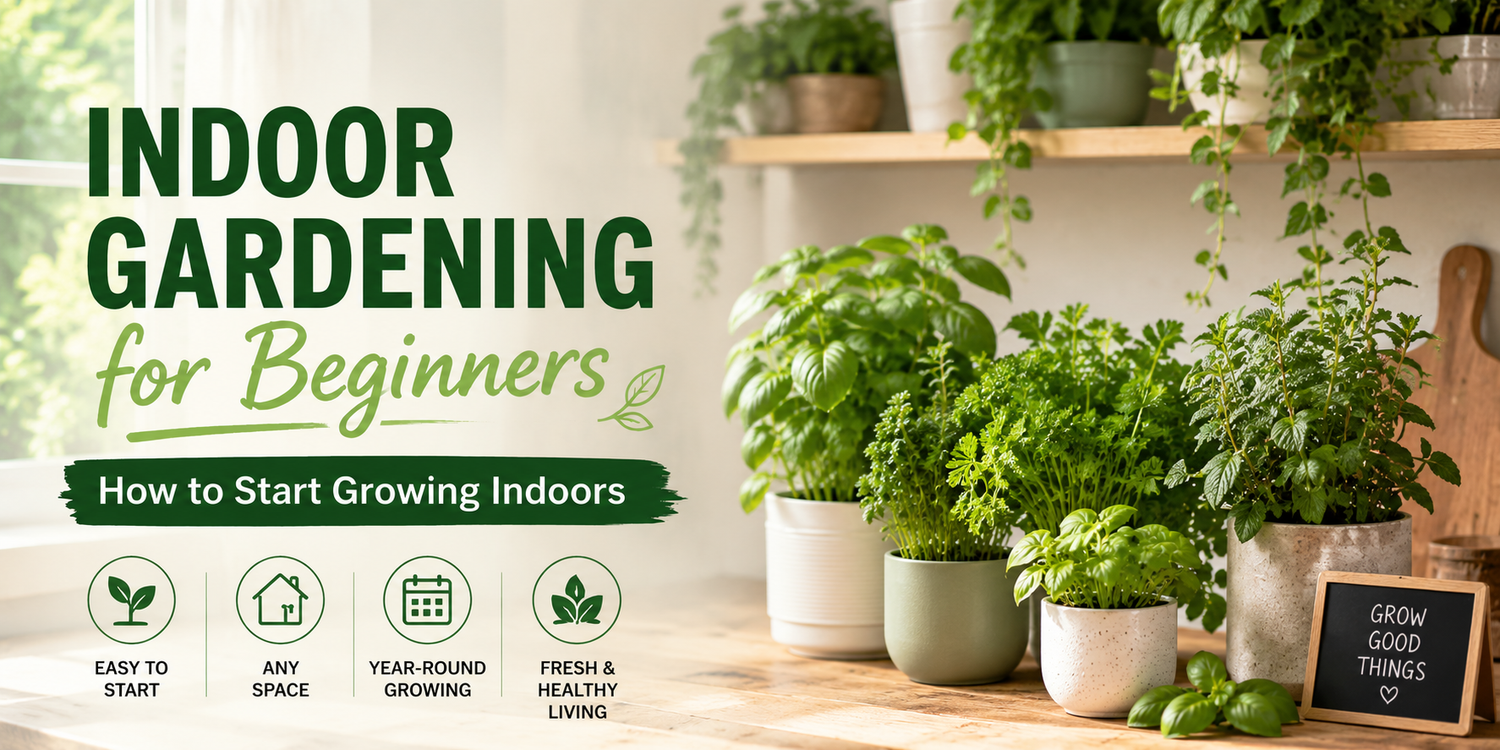
Indoor gardening is one of the easiest ways to grow fresh plants at home without needing a backyard or outdoor space. More people are growing indoors because it allows them to enjoy fresh herbs, leafy greens, vegetables, and flowers throughout the year, even in apartments or small homes.
Unlike traditional outdoor gardening, indoor gardening gives you more control over light, temperature, and watering. This makes growing easier for beginners, especially when using modern indoor garden systems designed to simplify plant care.
Many beginners start with simple plants like basil, mint, or lettuce. Others use smart indoor gardening systems that automate lighting and watering, making it possible to grow healthy plants with very little daily maintenance.
Whether you want fresher ingredients for cooking, a greener living space, or a simple hobby that fits into a busy lifestyle, indoor gardening is one of the most beginner-friendly ways to start growing at home.
Why Indoor Gardening Is Great for Beginners
Indoor gardening is often easier for beginners than traditional outdoor gardening. You do not need a large yard, perfect weather, or advanced gardening experience to get started. In many cases, a small countertop, shelf, or corner near a window is enough.
One of the biggest advantages is control. Outdoor plants depend heavily on seasons, rain, temperature changes, and pests. Indoor growing removes many of these problems. Your plants stay in a more stable environment, which makes it easier to learn the basics without constantly fighting weather conditions.
Indoor gardening is also ideal for small-space living. Apartment owners, renters, and city residents can still grow herbs, vegetables, and flowers successfully indoors. Even compact systems can produce fresh basil, lettuce, mint, or cherry tomatoes year-round.
Another reason beginners prefer growing indoors is lower maintenance. Modern indoor garden systems can automate many of the difficult parts of gardening, including lighting schedules and watering cycles. This reduces common beginner mistakes and helps plants grow more consistently.
For many people, indoor gardening also feels more approachable because the plants stay visible every day. You can easily monitor growth, spot problems early, and build confidence as you learn. Small daily progress makes the hobby feel rewarding very quickly.
Most importantly, indoor gardening allows beginners to start small. You do not need expensive tools or a complicated setup. A few basic supplies — or a beginner-friendly smart garden system — is often enough to start growing successfully at home.
What Can You Grow Indoors?

One of the biggest advantages of indoor gardening is the wide variety of plants that can thrive indoors. Beginners often achieve the best results by starting with easy-to-grow herbs and leafy greens before experimenting with larger vegetables or flowering plants.
Herbs
Popular indoor herbs include basil, mint, parsley, cilantro, and chives. These plants grow quickly, require little space, and can be harvested regularly for cooking.
Vegetables
Many vegetables grow well indoors, especially leafy greens such as lettuce, spinach, and kale. Compact crops like cherry tomatoes and peppers can also thrive with sufficient light.
Flowers
Indoor gardeners can also grow flowers such as petunias, marigolds, and African violets to add color and interest to their living spaces.
For a complete list of beginner-friendly plants, read our guide: Best Plants for Indoor Gardens.
The Easiest Ways to Start Indoor Gardening

Many beginners delay starting because indoor gardening seems complicated at first. In reality, there are only two common ways most people begin growing indoors, and both can work well depending on your space, budget, and experience level.
Option 1 — Traditional Soil Gardening
Traditional indoor gardening uses pots, soil, water, and natural sunlight or grow lights. This is the most familiar method because it works similarly to outdoor gardening.
A basic setup usually includes:
- Pots or containers
- Potting soil
- Seeds or starter plants
- Water
- A sunny window or grow light
This method is affordable and flexible, especially for beginners who want to experiment with a few herbs or houseplants first.
However, soil gardening indoors can sometimes become messy. Beginners also commonly struggle with overwatering, poor drainage, insects, or inconsistent lighting. Plants placed near windows may not receive enough light during winter or in darker apartments.
For people who enjoy hands-on gardening and learning through trial and error, traditional soil gardening is still a great place to start.
Option 2 — Smart Indoor Garden Systems
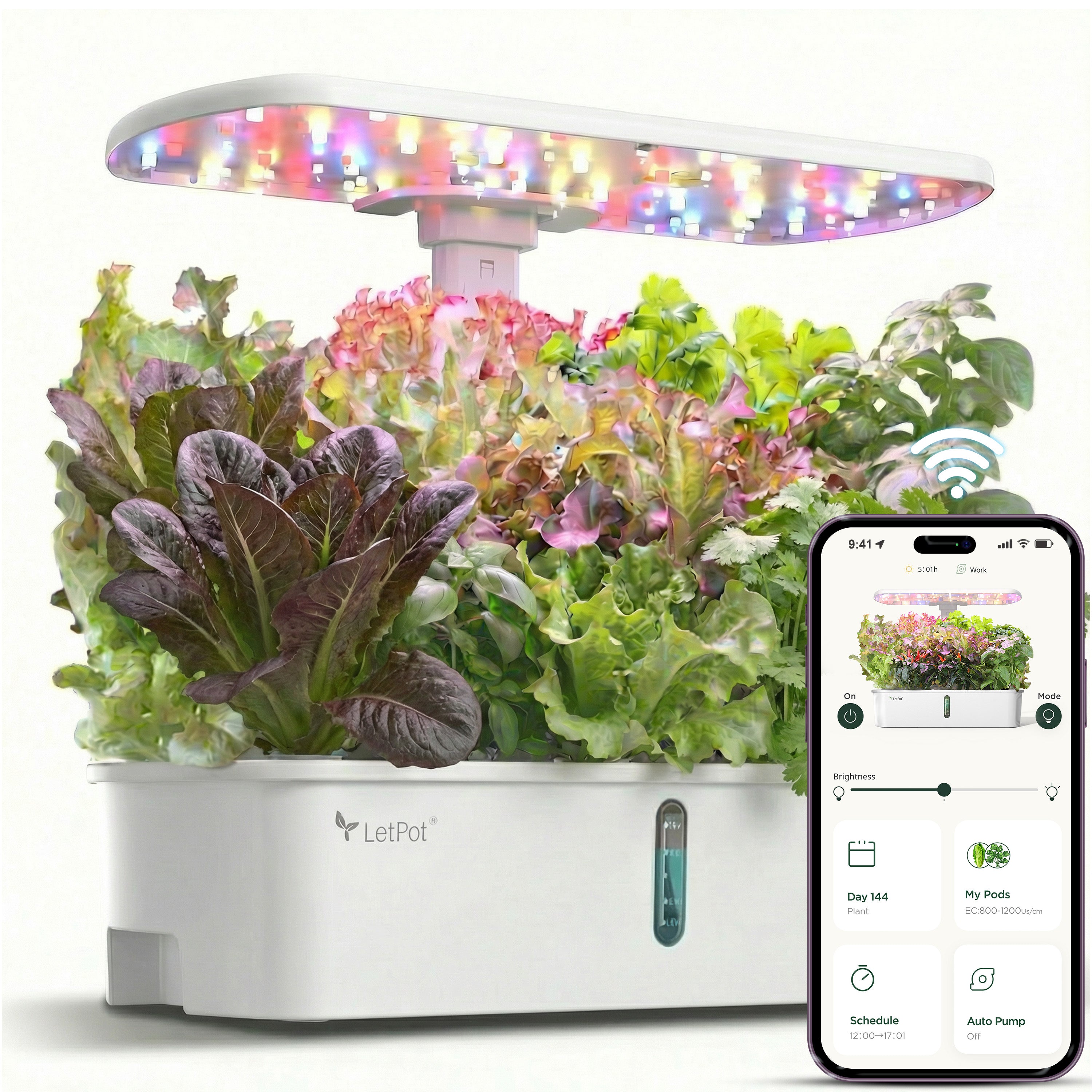
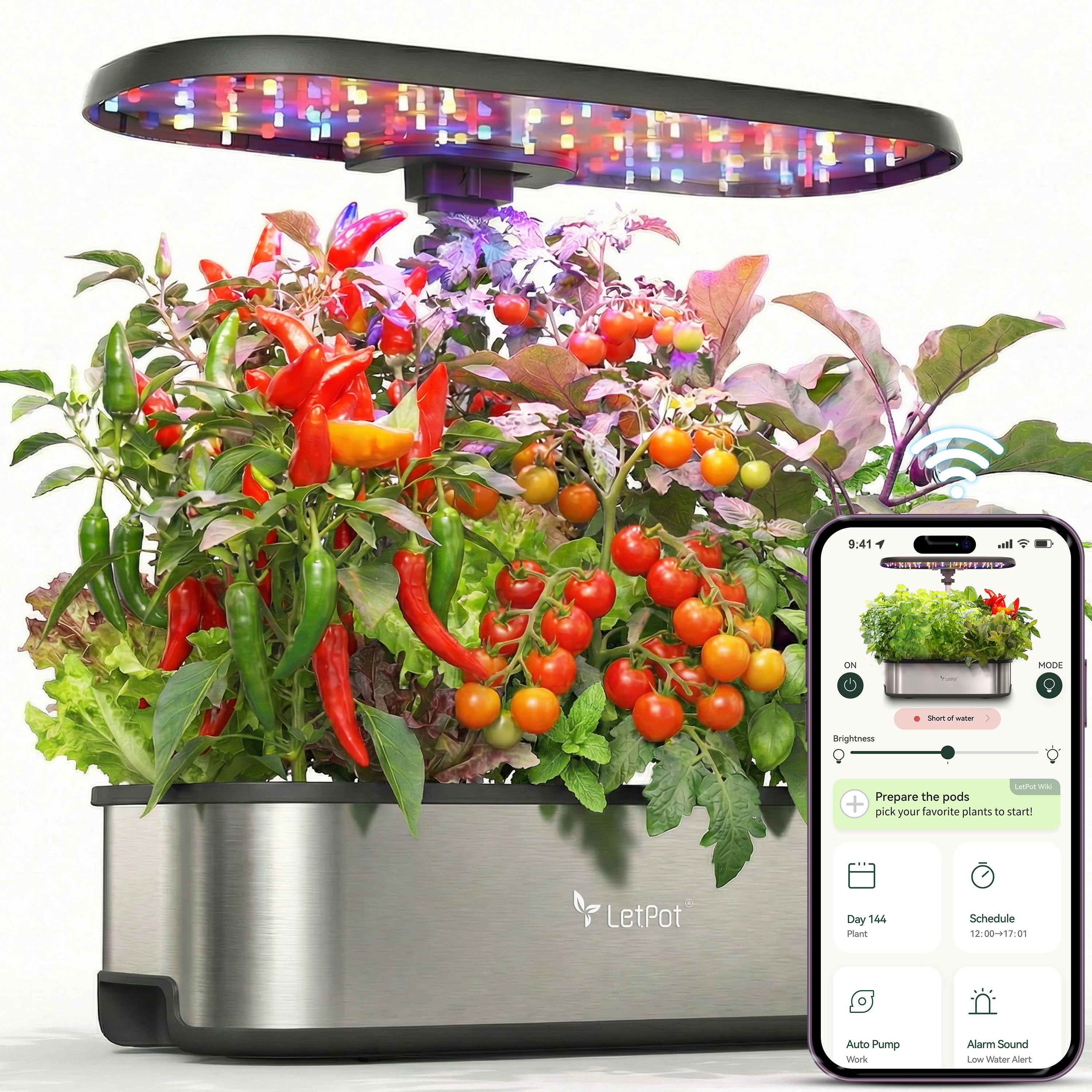
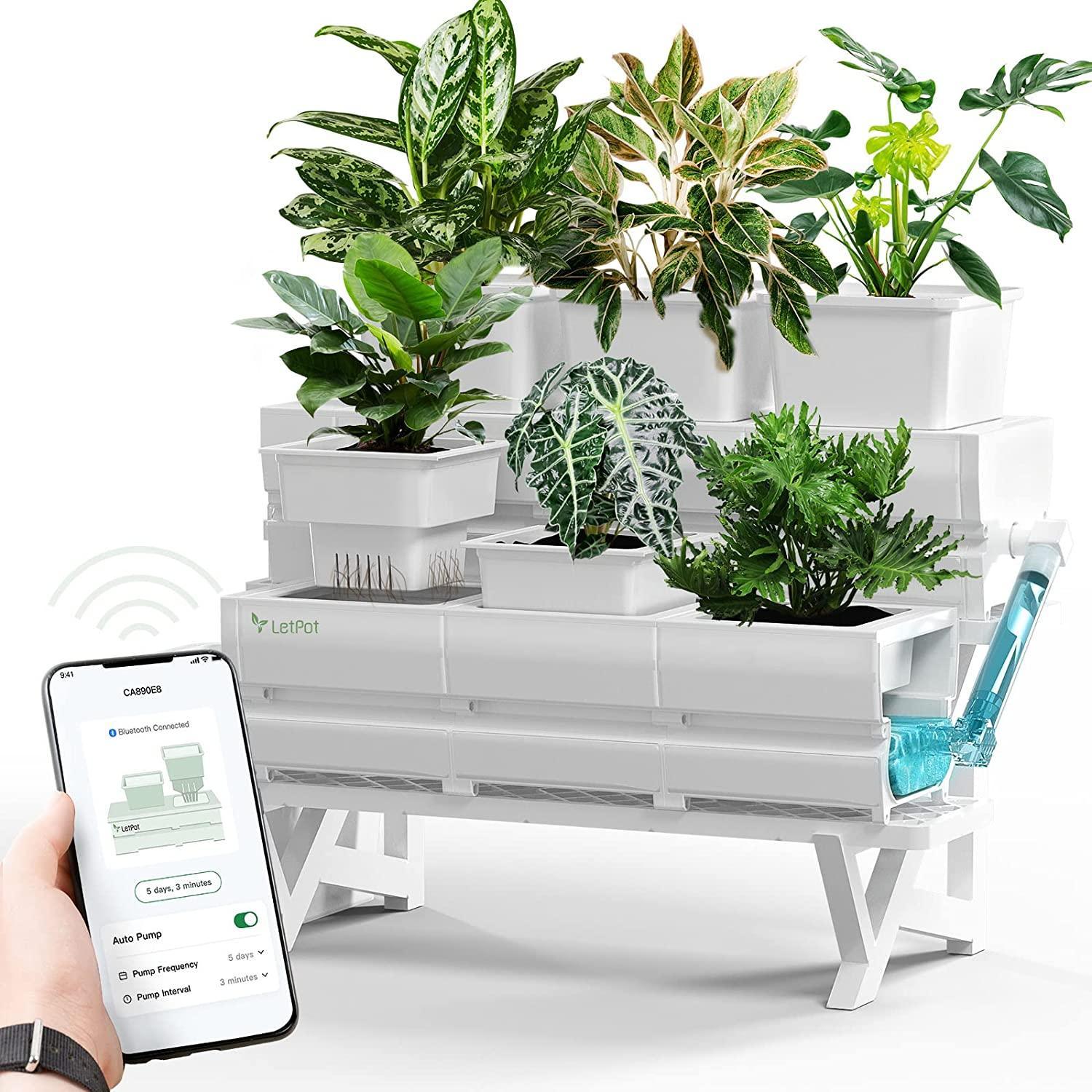
Smart indoor garden systems have become one of the easiest ways for beginners to grow indoors successfully. These systems simplify much of the growing process by automating lighting, watering, and sometimes even nutrient management.
Most indoor garden systems include:
- Built-in grow lights
- Water reservoirs
- Timed lighting schedules
- Space-saving designs
- Simple planting pods or baskets
Because the system handles many daily tasks automatically, beginners can focus more on observing plant growth instead of constantly adjusting care routines.
This approach is especially useful for:
- Apartments with limited sunlight
- Busy schedules
- First-time gardeners
- Year-round indoor growing
Many beginners start with herbs like basil or mint in a countertop indoor garden before expanding into leafy greens, tomatoes, or peppers later.
Another advantage is consistency. Plants usually grow faster and more evenly when they receive stable light and watering conditions every day. This reduces many of the common problems new growers experience when starting indoors.
For people who want a cleaner, lower-maintenance setup, smart indoor gardening systems are often the simplest entry point into indoor growing.
What You Need for Indoor Gardening

Indoor gardening does not require a complicated setup, but plants still need a few basic things to grow properly. Understanding these essentials helps beginners avoid many common growing problems early on.
Light
Light is one of the most important parts of indoor gardening. Most edible plants need several hours of strong light every day to grow healthy leaves and stems.
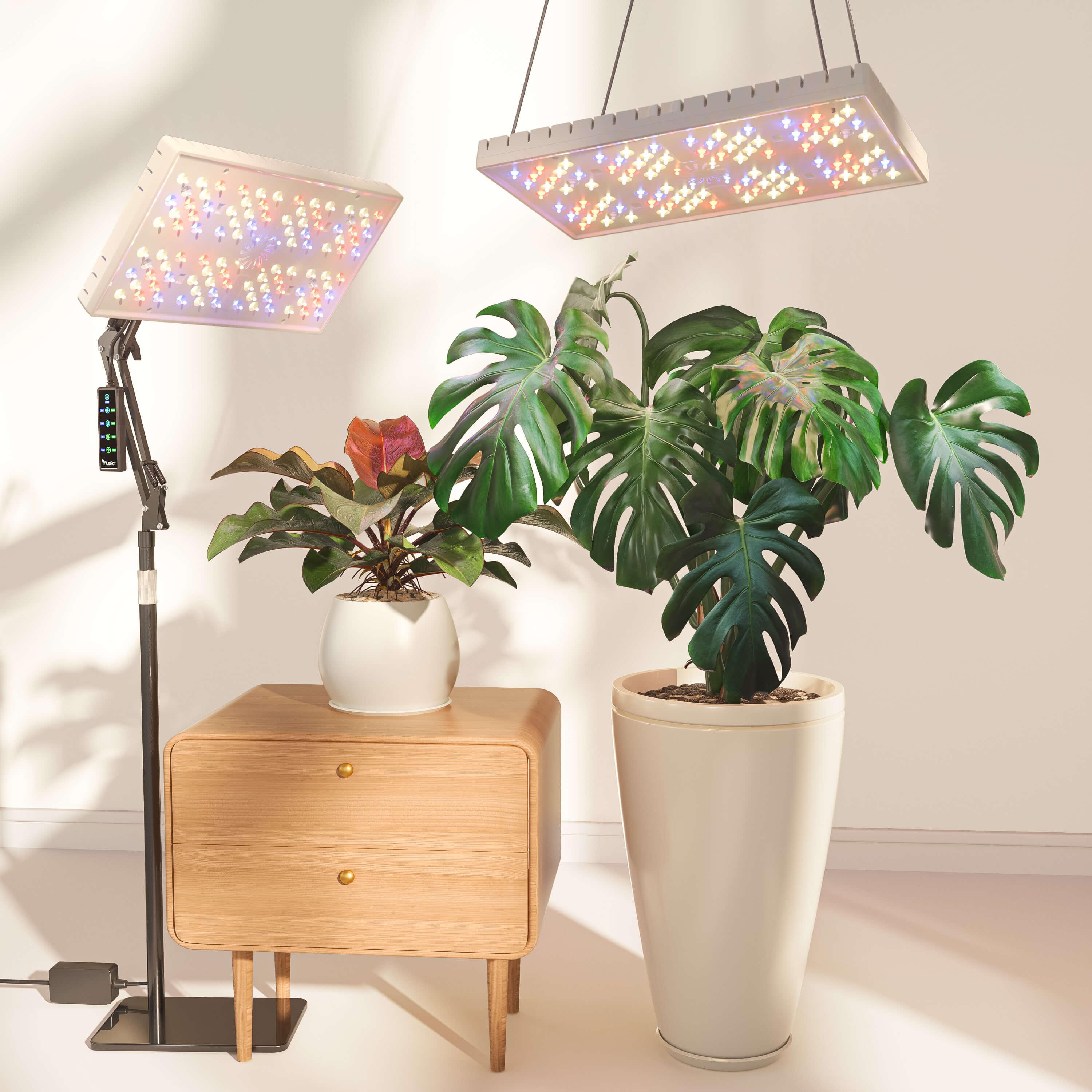
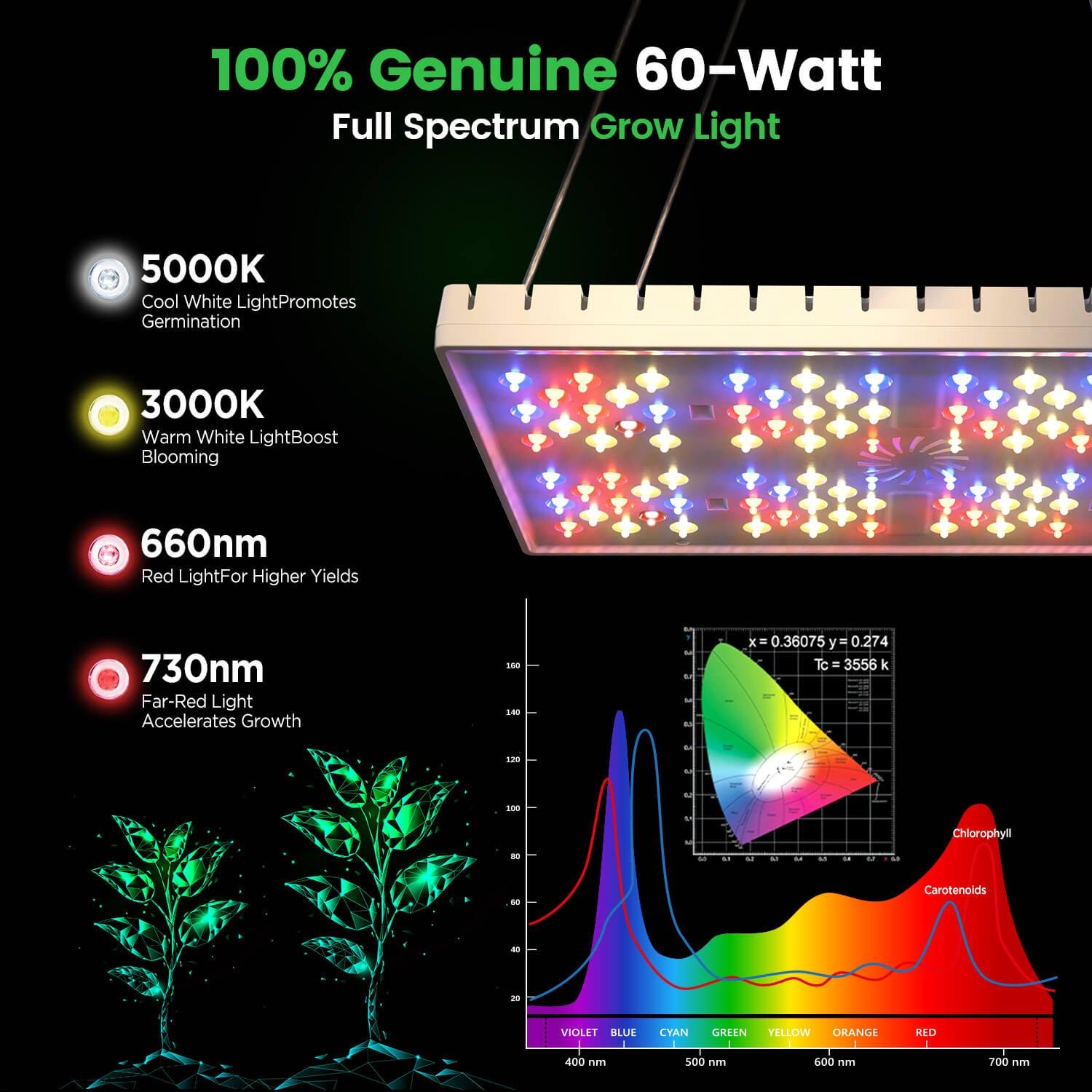
A bright window may work for some herbs, but many homes do not provide enough consistent sunlight year-round. This is why many indoor gardeners use full-spectrum grow lights to support plant growth indoors.
Grow lights can help:
- Improve growth speed
- Prevent weak or leggy plants
- Support year-round growing
- Grow vegetables in darker spaces
Leafy greens and herbs are usually easier to grow under moderate lighting, while tomatoes and peppers often require stronger light intensity.
Water
Indoor plants need consistent watering, but too much water is one of the most common beginner mistakes.
Plants growing in soil should have proper drainage so excess water can escape. Hydroponic or smart indoor garden systems simplify watering by maintaining more stable moisture levels automatically.
A good rule for beginners is to avoid watering on a fixed schedule without checking the plant first. Different plants absorb water at different speeds depending on temperature, light, and growth stage.
Seeds or Seedlings
Most beginners start with seeds because they are affordable and easy to find. Fast-growing herbs and leafy greens are usually the easiest starting point.
Popular beginner choices include:
- Basil
- Lettuce
- Mint
- Spinach
- Green onions
Some gardeners prefer starter seedlings because they grow faster in the early stages and reduce germination problems.
Nutrients
Plants grown indoors still need nutrients to grow properly. Soil contains some nutrients naturally, but indoor plants often need additional feeding over time.
Hydroponic systems rely on liquid nutrients added directly into the water. These nutrients help support:
- Leaf growth
- Root development
- Flowering and fruit production
Using too much nutrient solution can damage plants, so beginners should always follow recommended mixing instructions carefully.
Containers or Growing Systems
Your plants need a suitable place to grow. This can be as simple as small pots on a windowsill or as advanced as a fully automated indoor garden system.
Many beginners now prefer compact countertop systems because they combine:
- Lighting
- Water management
- Growing containers
- Simple controls
This reduces setup complexity and makes indoor gardening easier to manage in small living spaces.
Common Indoor Gardening Mistakes

Most beginner indoor gardening problems are surprisingly easy to avoid. Small adjustments to lighting, watering, and plant spacing can make a major difference in how healthy your plants grow.
Overwatering
Overwatering is one of the most common mistakes beginners make. Many people assume plants need water every day, but constantly wet roots can lead to root rot, mold, and weak growth.
Common signs of overwatering include:
- Yellow leaves
- Drooping plants
- Slow growth
- Wet or compact soil
Instead of watering on a strict schedule, check the soil or growing medium first. Many herbs and leafy greens prefer slightly moist conditions rather than constantly soaked roots.
Not Enough Light
Plants growing indoors often receive less light than beginners expect. Weak lighting can cause plants to stretch toward the light source, producing thin stems and pale leaves.
Common signs of insufficient light include:
- Leggy growth
- Small leaves
- Slow development
- Plants leaning heavily toward windows
If natural sunlight is limited, adding a full-spectrum grow light can improve growth significantly. This is especially important for vegetables like tomatoes and peppers that require stronger light intensity.
Overcrowding Plants
Beginners often try to grow too many plants in a small space. Crowded plants compete for light, airflow, water, and nutrients, which can slow growth and increase disease risk.
Good spacing helps plants:
- Grow fuller leaves
- Develop stronger roots
- Receive more consistent airflow
- Reduce mold and moisture problems
Even compact indoor gardens benefit from proper plant spacing.
Ignoring Plant Growth Size
Small seedlings can become much larger over time. Beginners sometimes place large-growing vegetables into containers that are too small, limiting root growth later.
Plants like tomatoes and peppers usually need:
- More vertical space
- Stronger lighting
- Larger root areas
Starting with compact herbs and leafy greens is often easier while learning indoor gardening basics.
Trying Too Much Too Early
Another common mistake is starting with too many plant varieties at once. Indoor gardening becomes much easier when beginners focus on a few reliable plants first.
Starting small allows you to learn:
- How plants respond to light
- Proper watering habits
- Growth timing
- Basic maintenance routines
Once those fundamentals become familiar, expanding into larger indoor gardens becomes far less overwhelming.
Best Indoor Garden Systems for Beginners
Choosing the right indoor garden system can make the learning process much easier for beginners. The best systems are usually simple to maintain, compact enough for indoor spaces, and designed to reduce daily gardening work.
Countertop Indoor Garden Systems
Countertop systems are one of the most popular options for beginners because they fit easily into kitchens, apartments, and small homes.
These systems are typically designed for:
- Herbs
- Leafy greens
- Small vegetables
- Everyday indoor use
Most countertop indoor gardens include built-in grow lights and water reservoirs, which helps simplify plant care for first-time growers.
They are also useful for people who want fresh ingredients close to the kitchen without needing outdoor space.
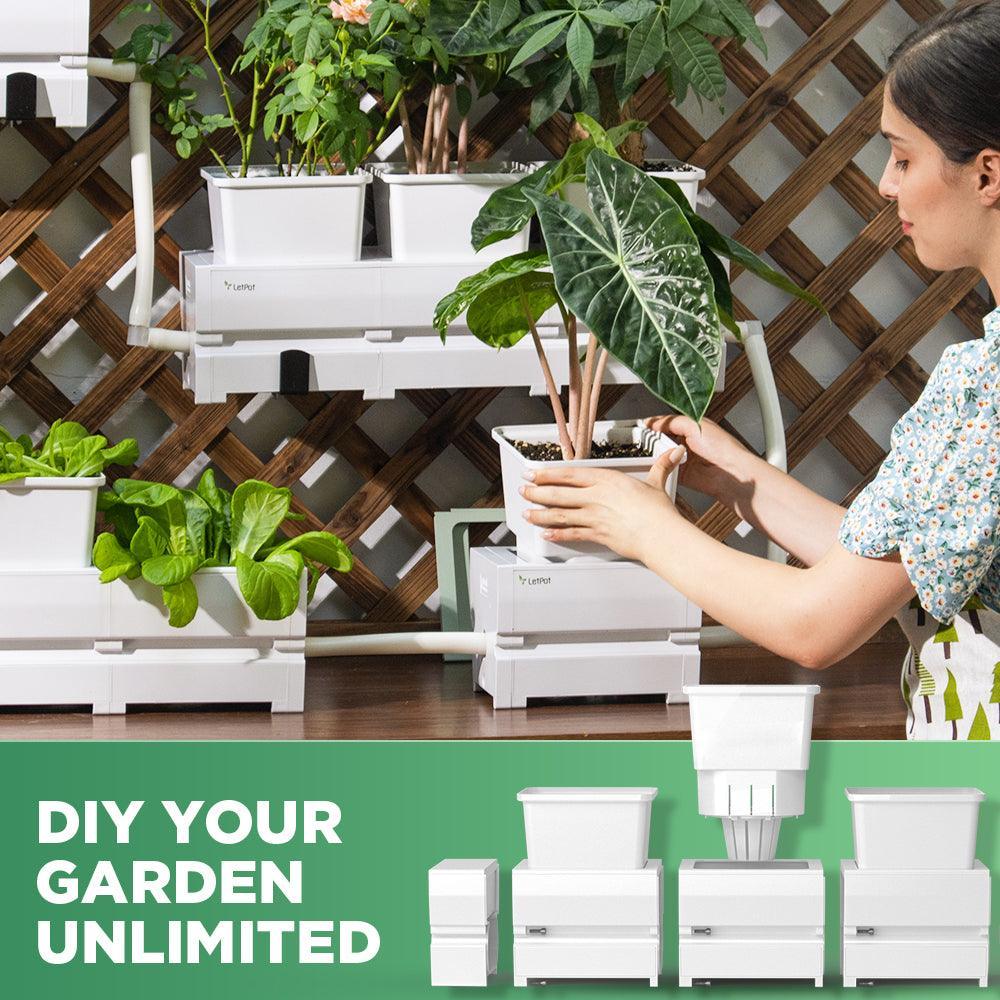
Apartment-Friendly Indoor Gardens
Apartment growers often face limited sunlight and small growing areas. Compact indoor garden systems solve this problem by combining lighting and growing space into a single setup.
Many apartment-friendly systems offer:
- Vertical growing designs
- Adjustable grow lights
- Low water consumption
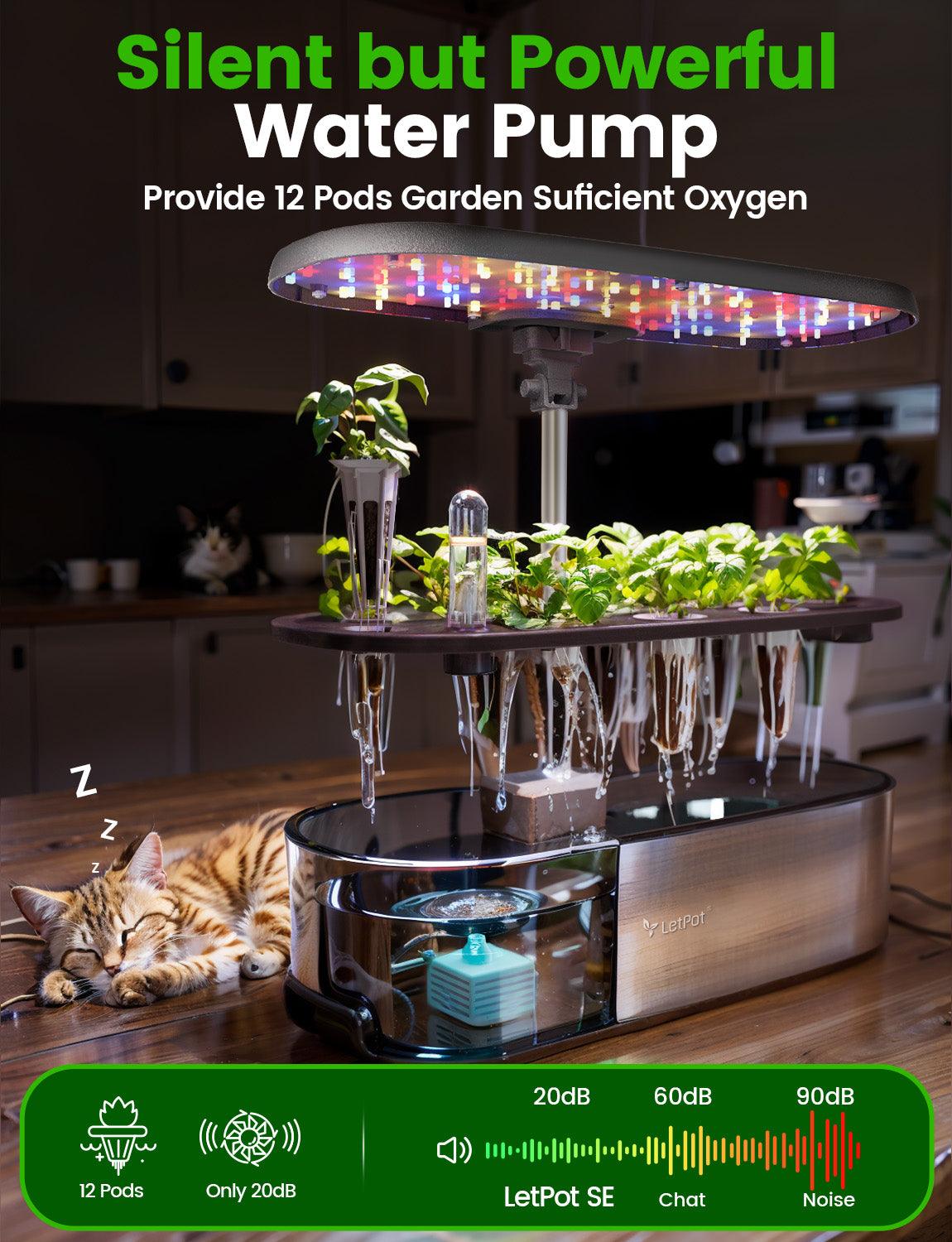
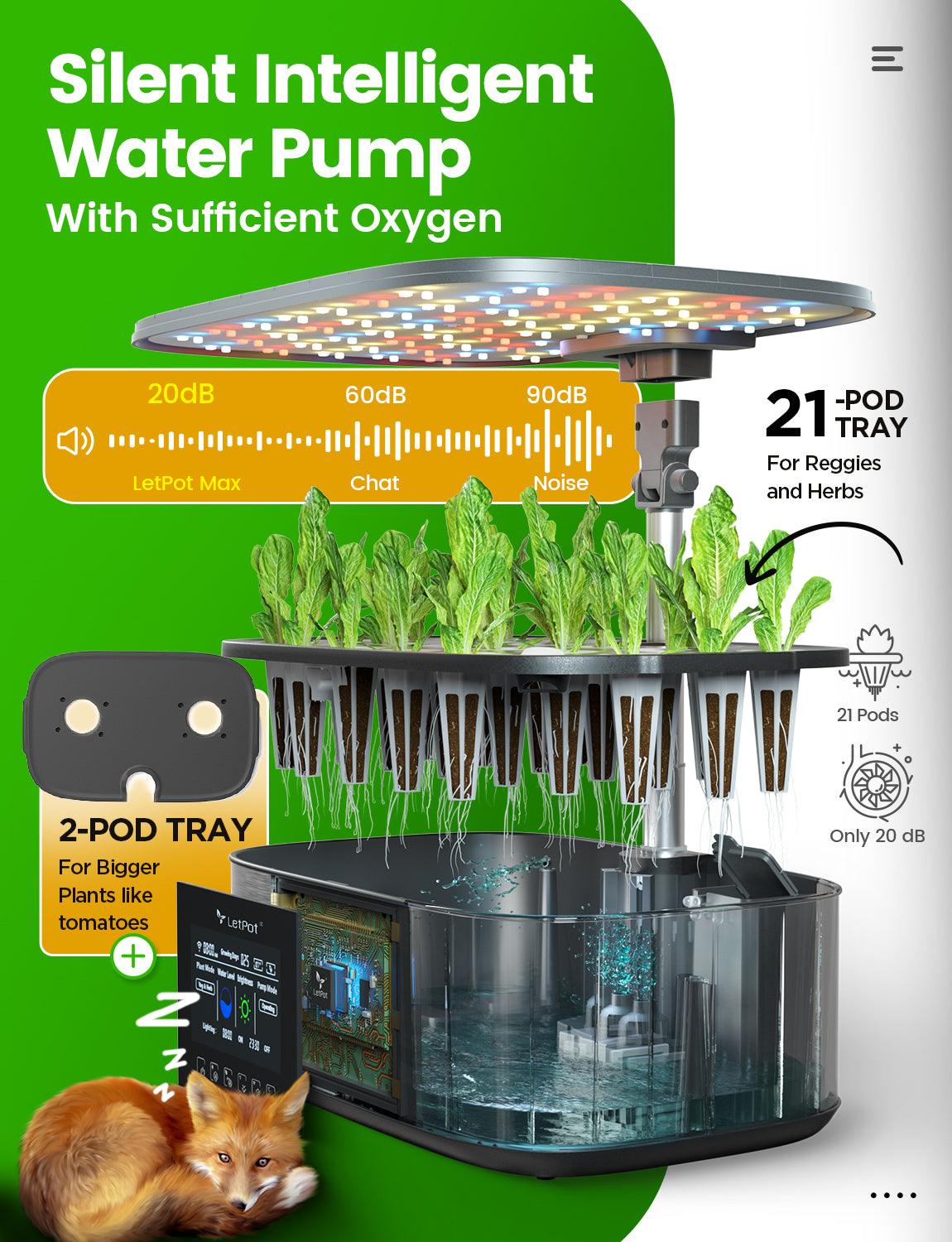
- Quiet operation
- Clean, soil-free growing
These features make indoor gardening more manageable for people living in condos, apartments, or urban environments.
Automated Indoor Garden Systems
Automated systems are especially helpful for beginners because they reduce many of the tasks that typically cause growing problems.
Depending on the system, automated features may include:
- Scheduled lighting
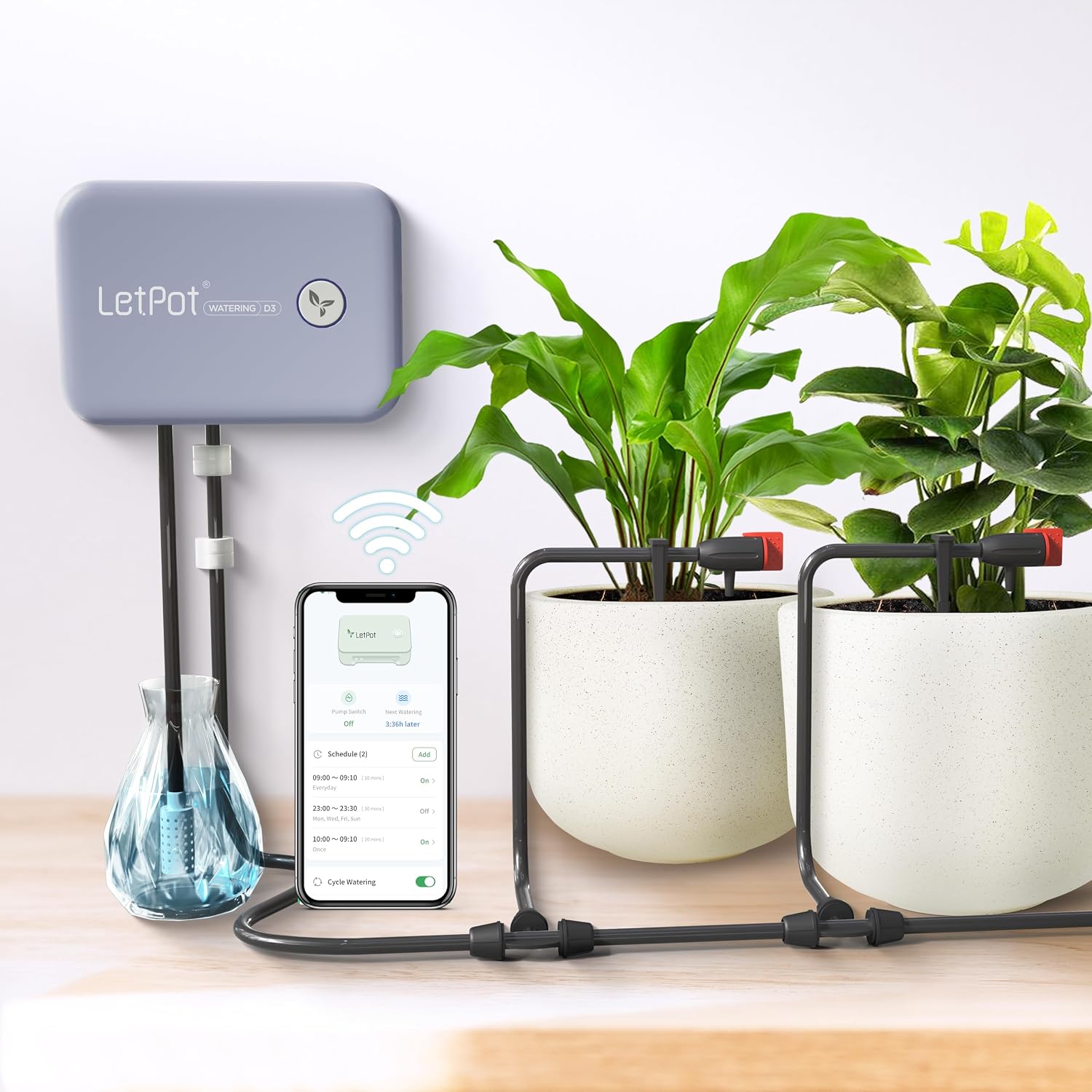
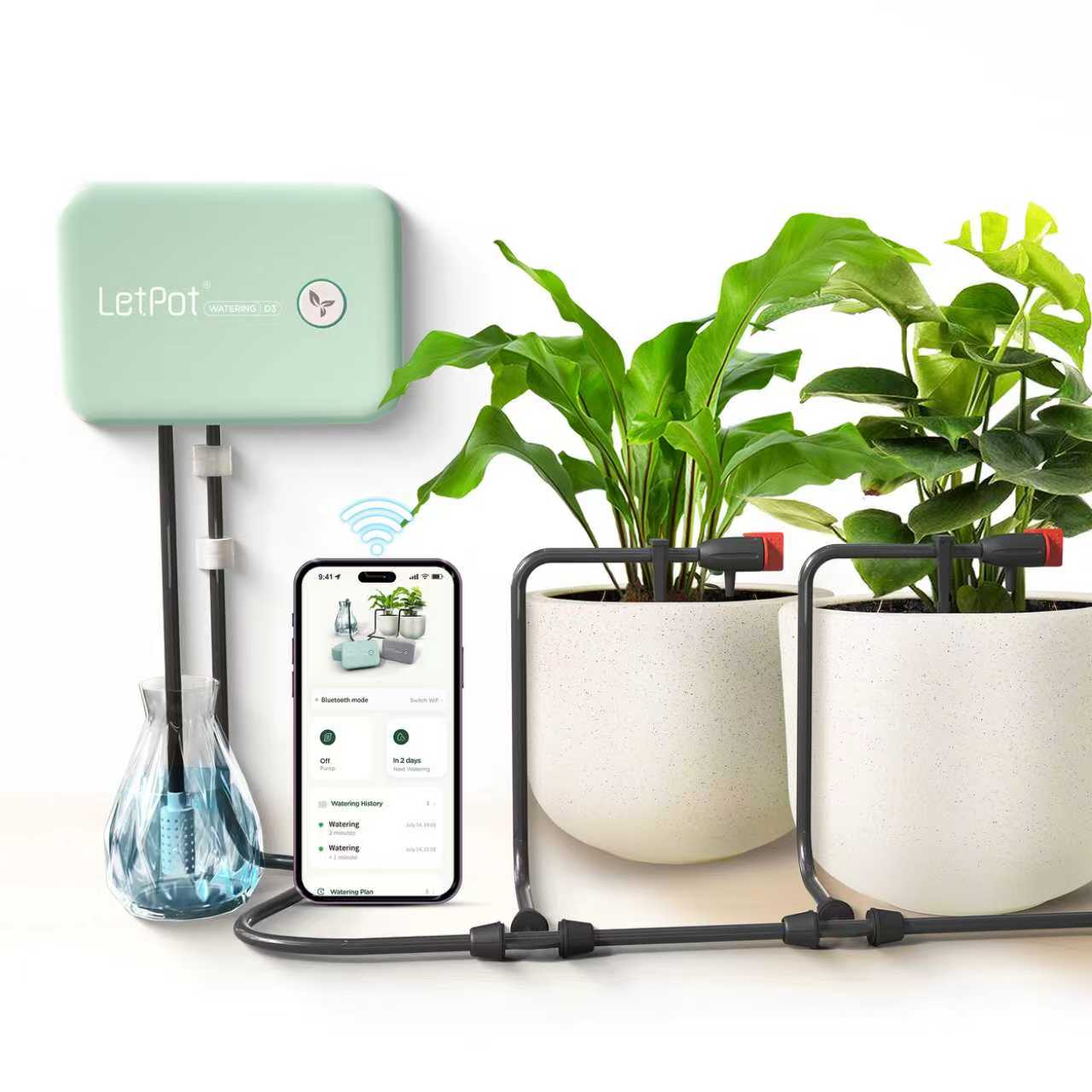
- Automatic watering
- Nutrient reminders
- Water level monitoring
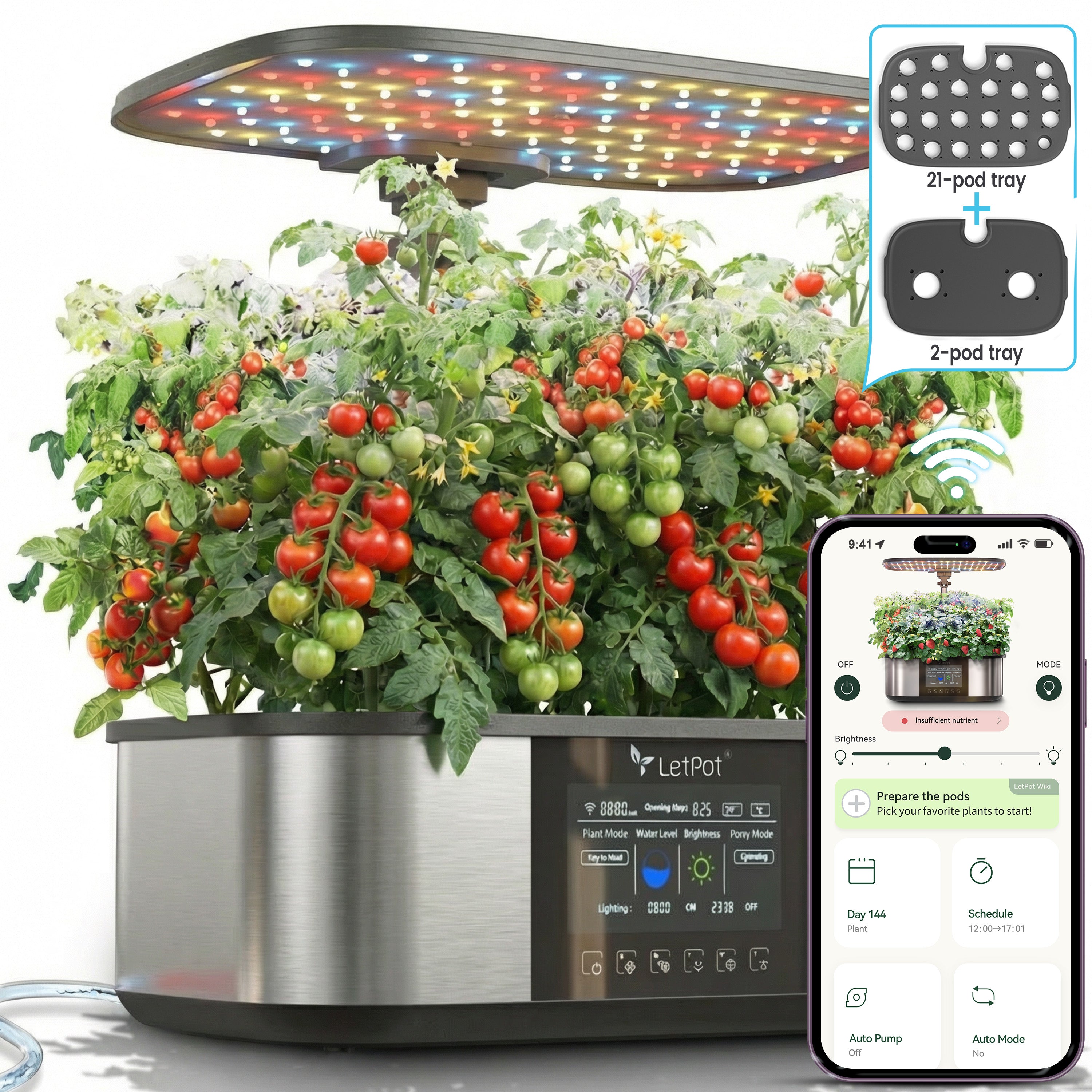
- App-based controls
Automation creates more stable growing conditions, which helps plants grow more consistently indoors. It also makes indoor gardening easier for people with busy schedules or limited gardening experience.
Choosing the Right Beginner Setup
The best beginner setup depends on your available space and what you want to grow.
For example:
- Herbs and leafy greens usually work well in compact countertop systems
- Tomatoes and peppers often require stronger grow lights and more vertical space
- Small apartments benefit from space-saving indoor gardens with integrated lighting
Many beginners start with a simple indoor herb garden first before expanding into larger vegetables or more advanced growing setups later.
If you want to explore different types of beginner-friendly systems, you can browse a variety of indoor growing setups here: LetPot Indoor Garden Collection
Final Thoughts
Indoor gardening is one of the easiest ways for beginners to start growing plants at home. You do not need a backyard, advanced experience, or a large amount of space to grow herbs, vegetables, or flowers successfully indoors.
Starting small is usually the best approach. A few easy plants, proper lighting, and consistent care are often enough to build confidence quickly. As you gain experience, expanding your indoor garden becomes much more manageable.
Modern indoor garden systems have also made growing indoors simpler than ever. Features like automated lighting and watering help reduce common beginner mistakes while making year-round growing more accessible for busy households and apartment living.
Whether you want fresher herbs for cooking, leafy greens year-round, or simply a more relaxing indoor hobby, indoor gardening offers a practical and beginner-friendly way to start growing indoors successfully.




Leave a comment
All comments are moderated before being published.
This site is protected by hCaptcha and the hCaptcha Privacy Policy and Terms of Service apply.