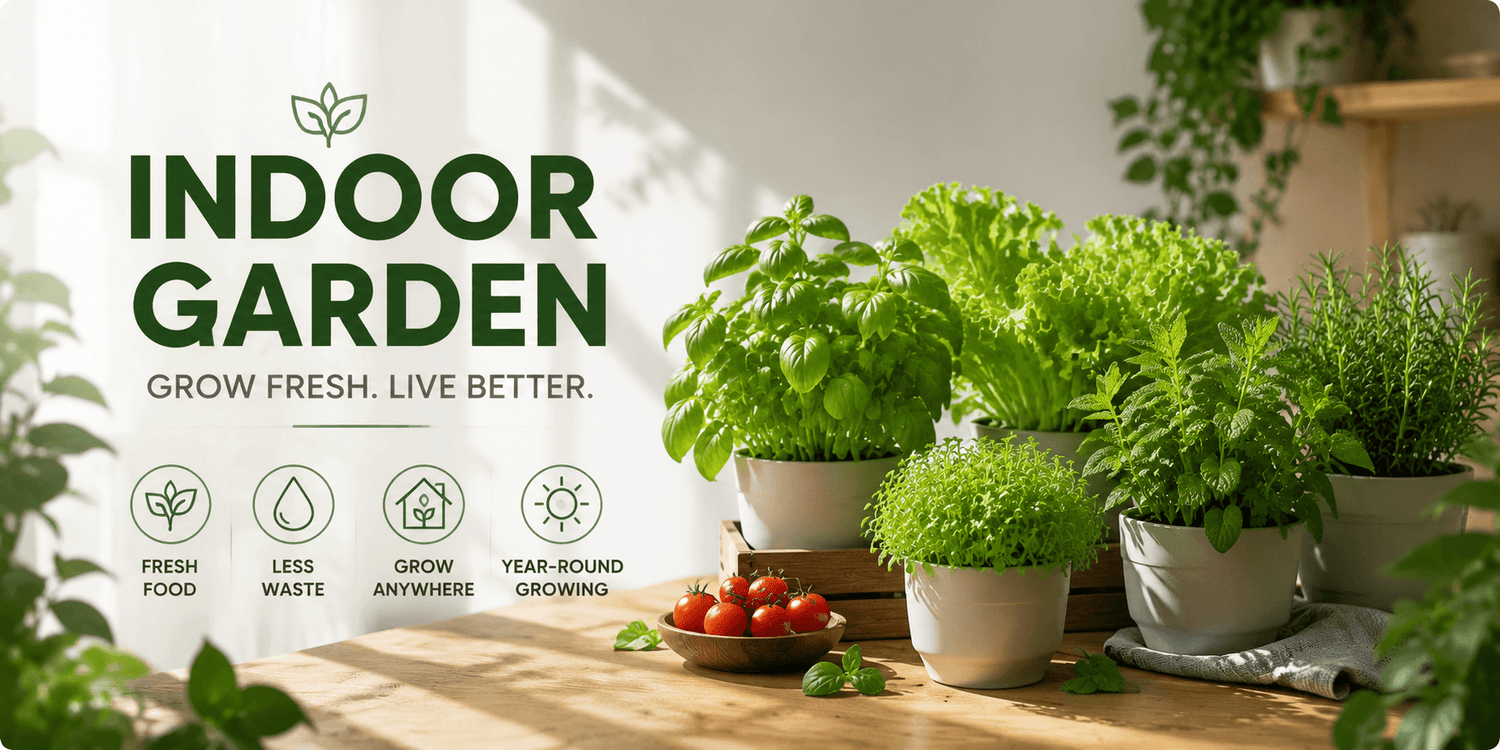
The terms indoor garden and hydroponics are often used together, which can make them confusing for beginners. Many people search for an indoor garden expecting a complete growing solution, while hydroponics refers to the specific growing method used by many of these systems.
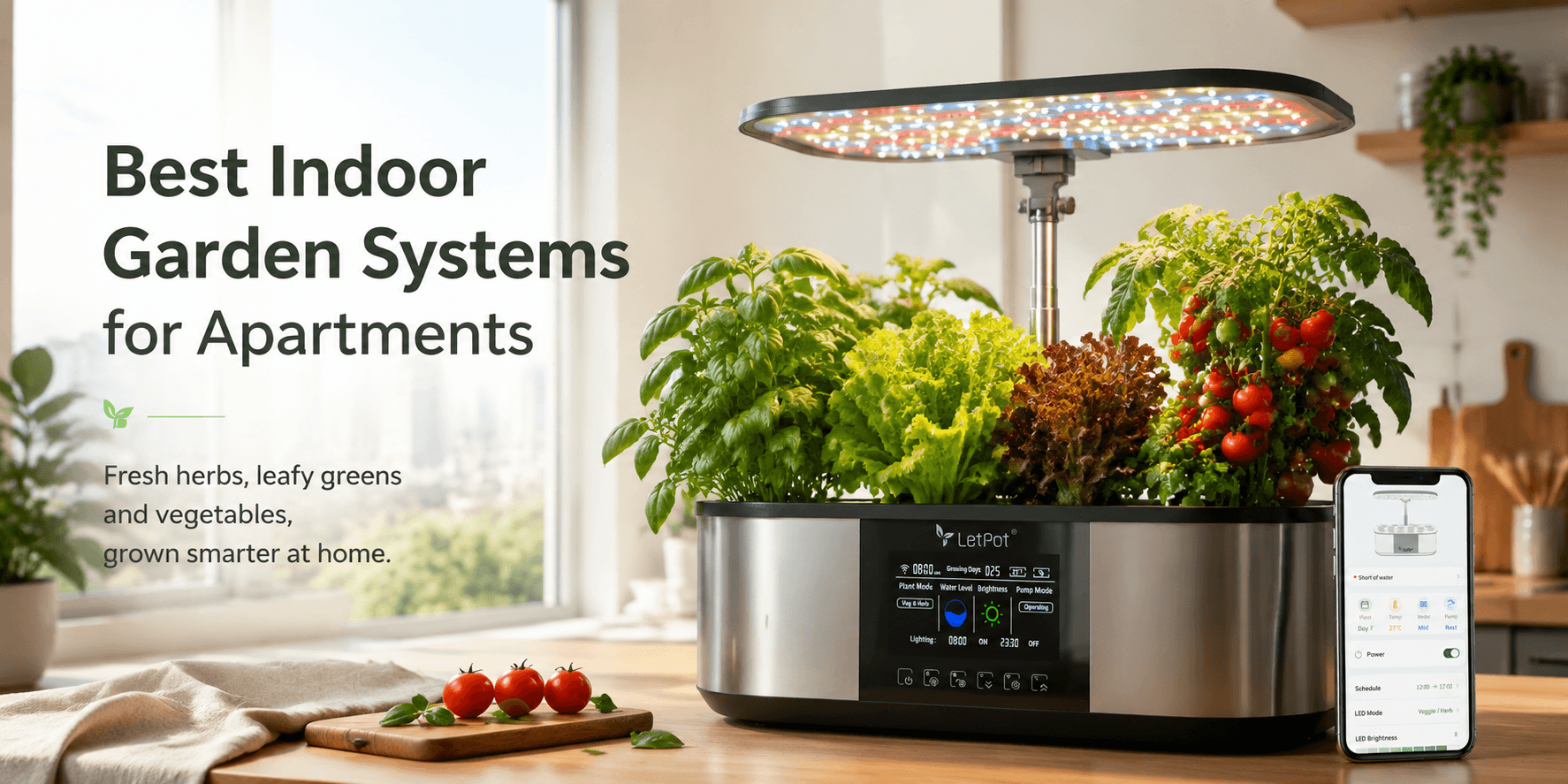
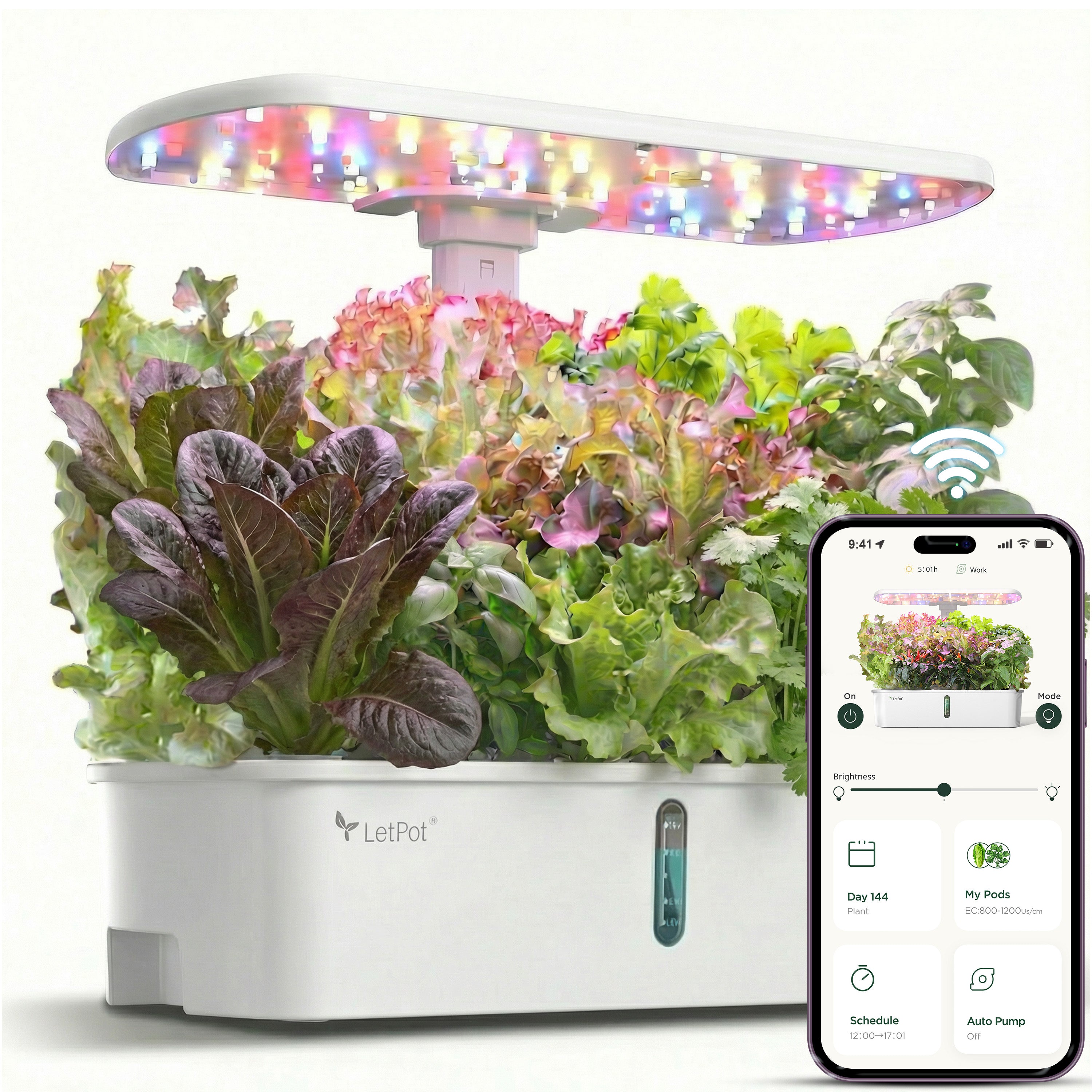
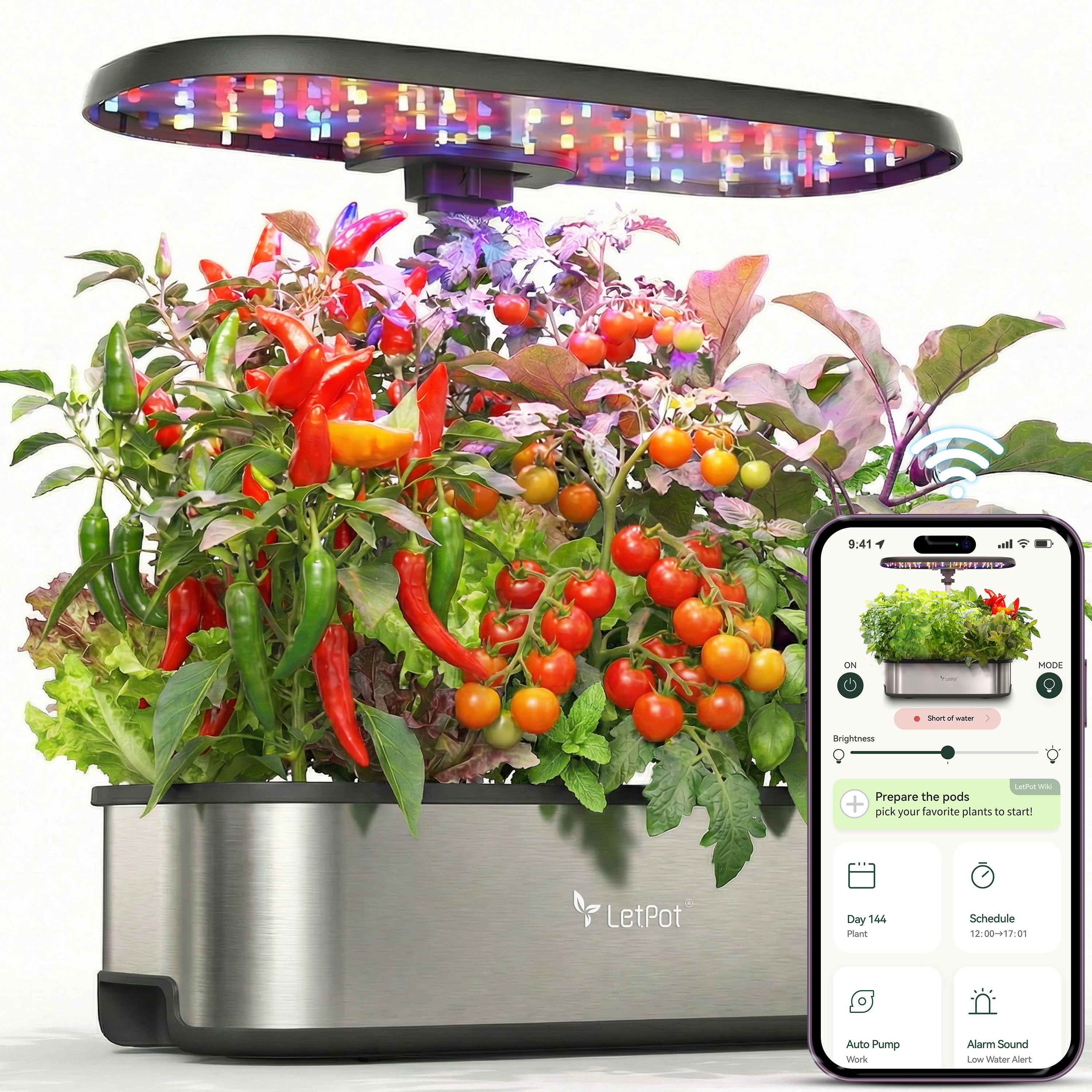
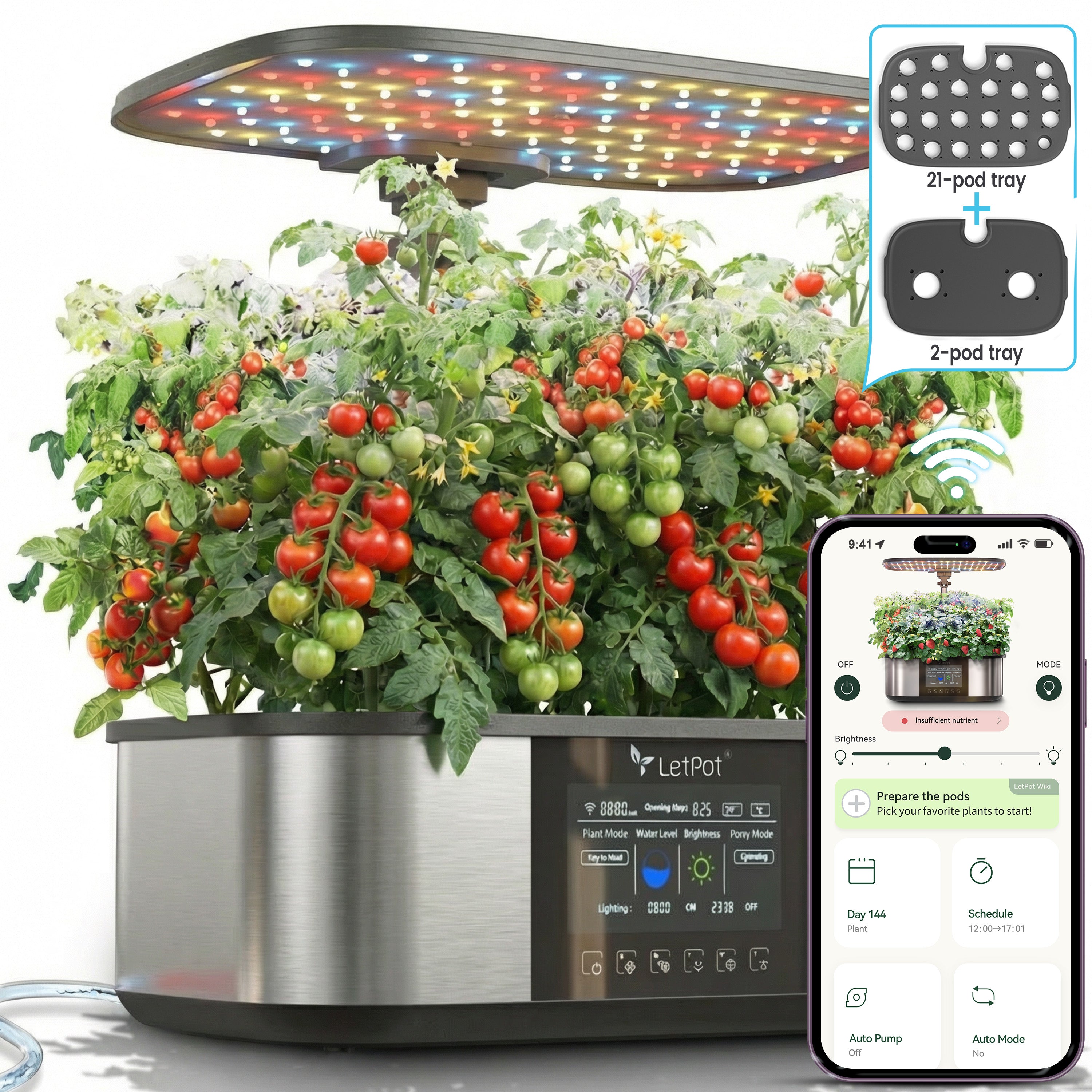
In the modern home gardening market, an indoor garden usually means a complete smart growing system designed for indoor use. It combines hardware such as LED grow lights, water management systems, plant pods, and smart controls into one ready-to-use product.
Hydroponics, on the other hand, is the cultivation method behind many indoor garden systems. It describes growing plants without soil by delivering nutrients through water instead.
Understanding the difference between an indoor garden system and hydroponics helps beginners choose the right growing approach. This guide explains how these two concepts are connected, how they differ, and which solution is better suited for different indoor growing goals.
What Is an Indoor Garden?

An indoor garden is a complete growing system designed to help people grow plants inside their homes without relying on traditional outdoor gardening conditions. Unlike a simple plant container or decorative indoor planter, modern indoor garden systems combine multiple technologies to create a controlled environment for growing herbs, vegetables, and other plants.
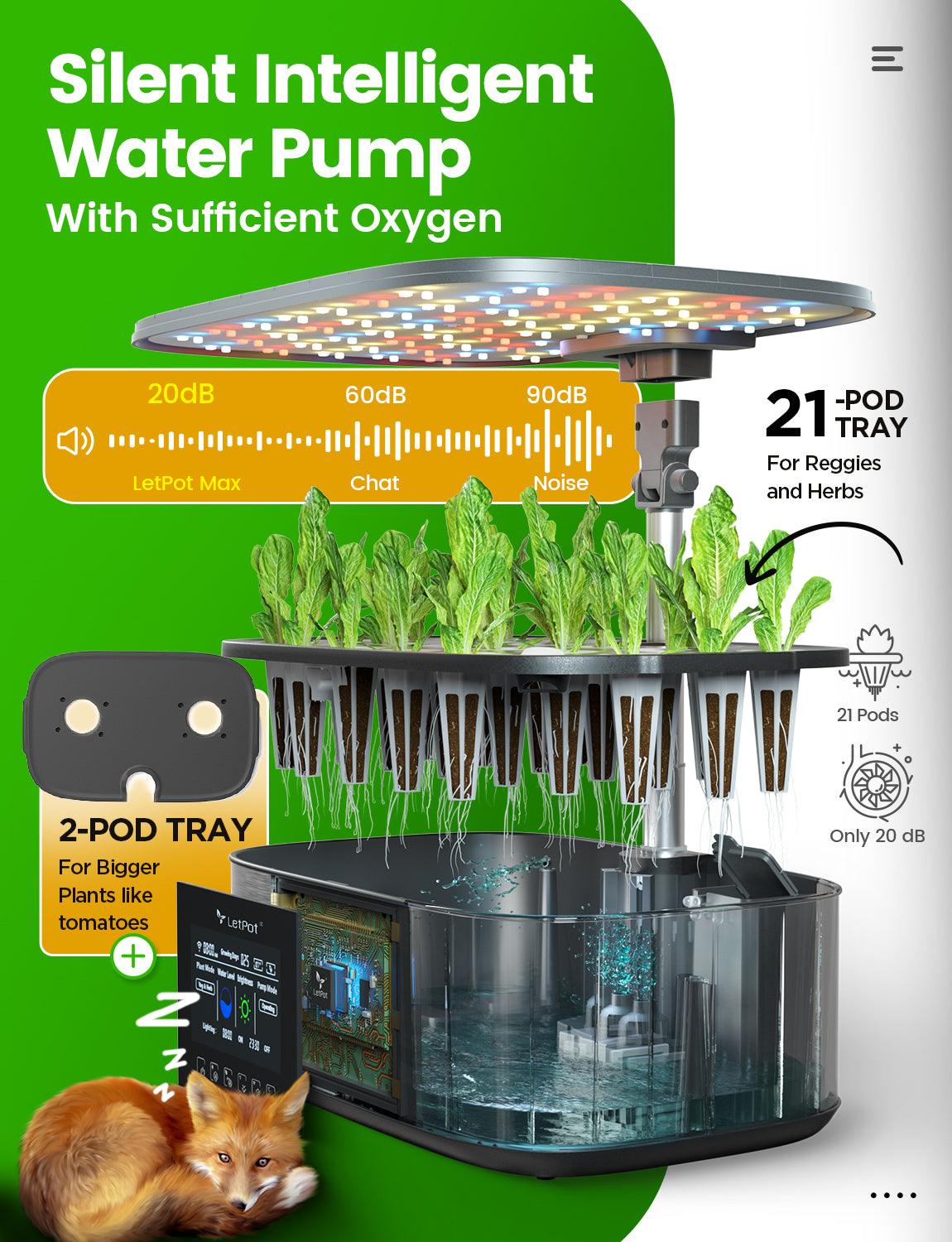
A smart indoor garden system typically integrates several components:
- LED grow lights that provide the necessary light spectrum for plant growth
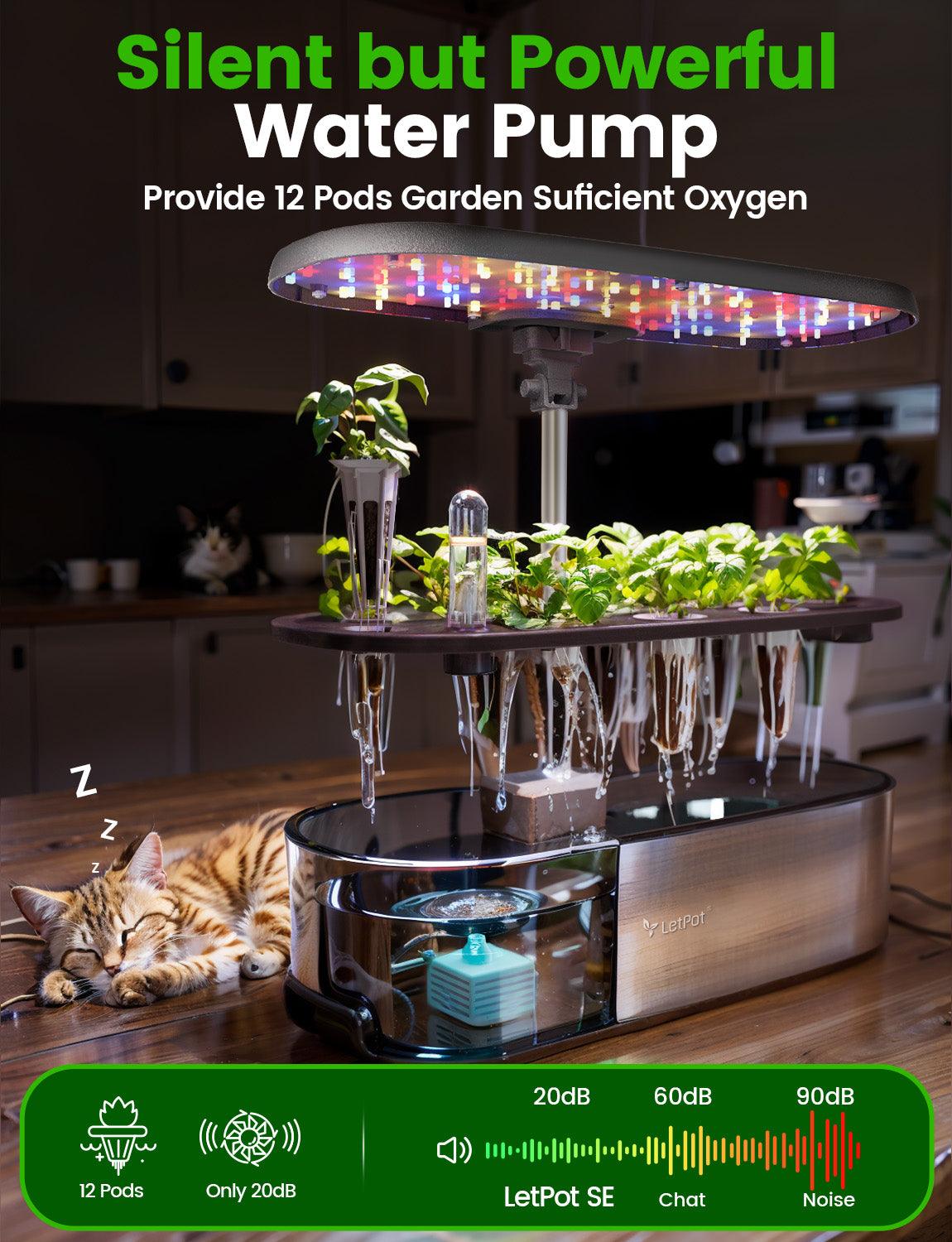
- Water circulation systems that keep water moving, improve oxygen availability, and support healthier roots
- Plant pods or growing modules that simplify planting and plant management
- Compact designs suitable for kitchens, apartments, offices, and other indoor spaces
- Soil-free or hydroponic-based growing methods that replace traditional soil with controlled water and nutrient delivery
The main purpose of an indoor garden is to simplify home growing. Instead of managing separate lights, containers, watering schedules, and growing conditions, users can operate a complete system designed specifically for indoor food production.
Key Features of Smart Indoor Garden Systems
Modern indoor garden systems combine multiple technologies to create a more predictable growing environment. Instead of relying only on user experience, these systems automate important growing factors such as lighting, water movement, and plant organization.
LED Grow Lights
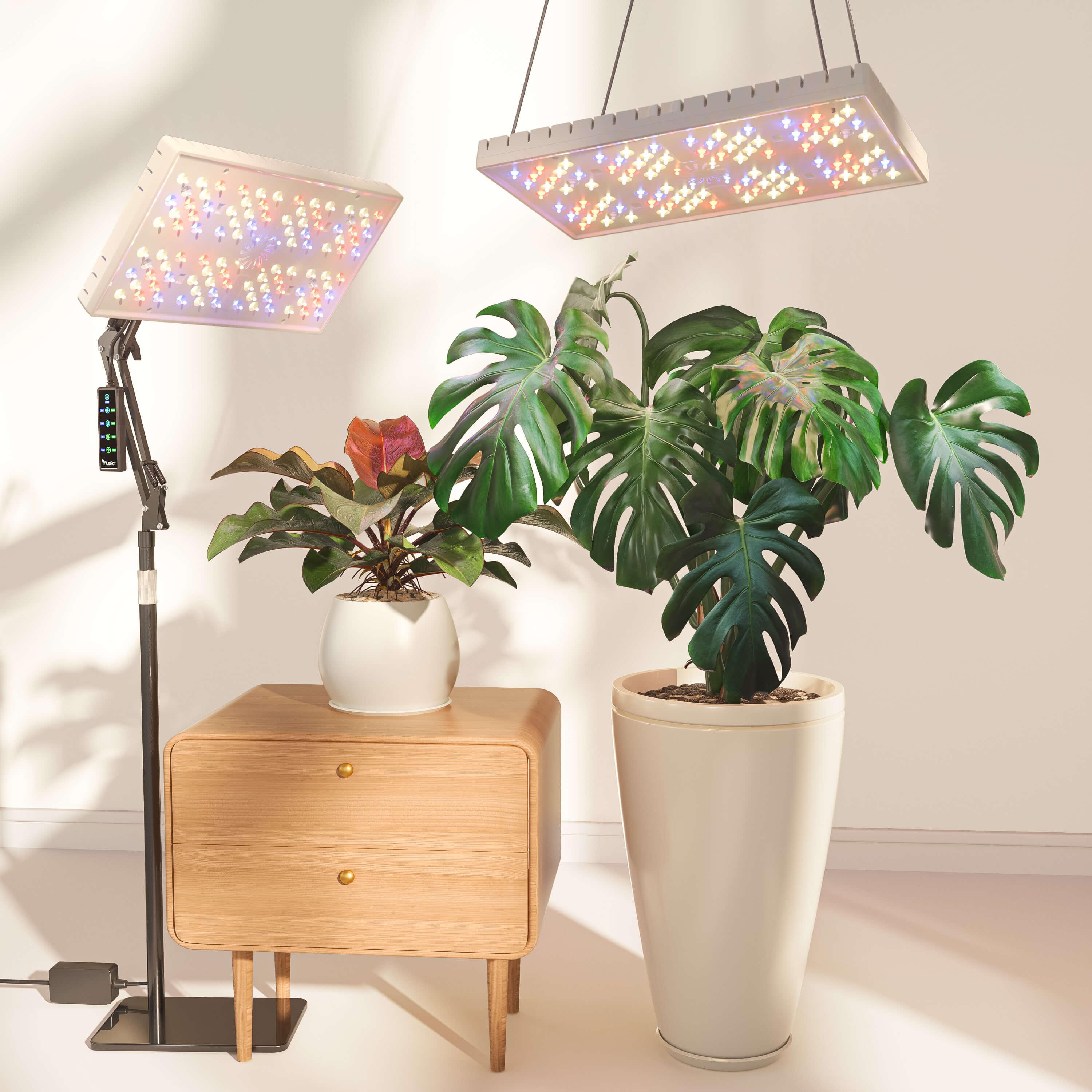
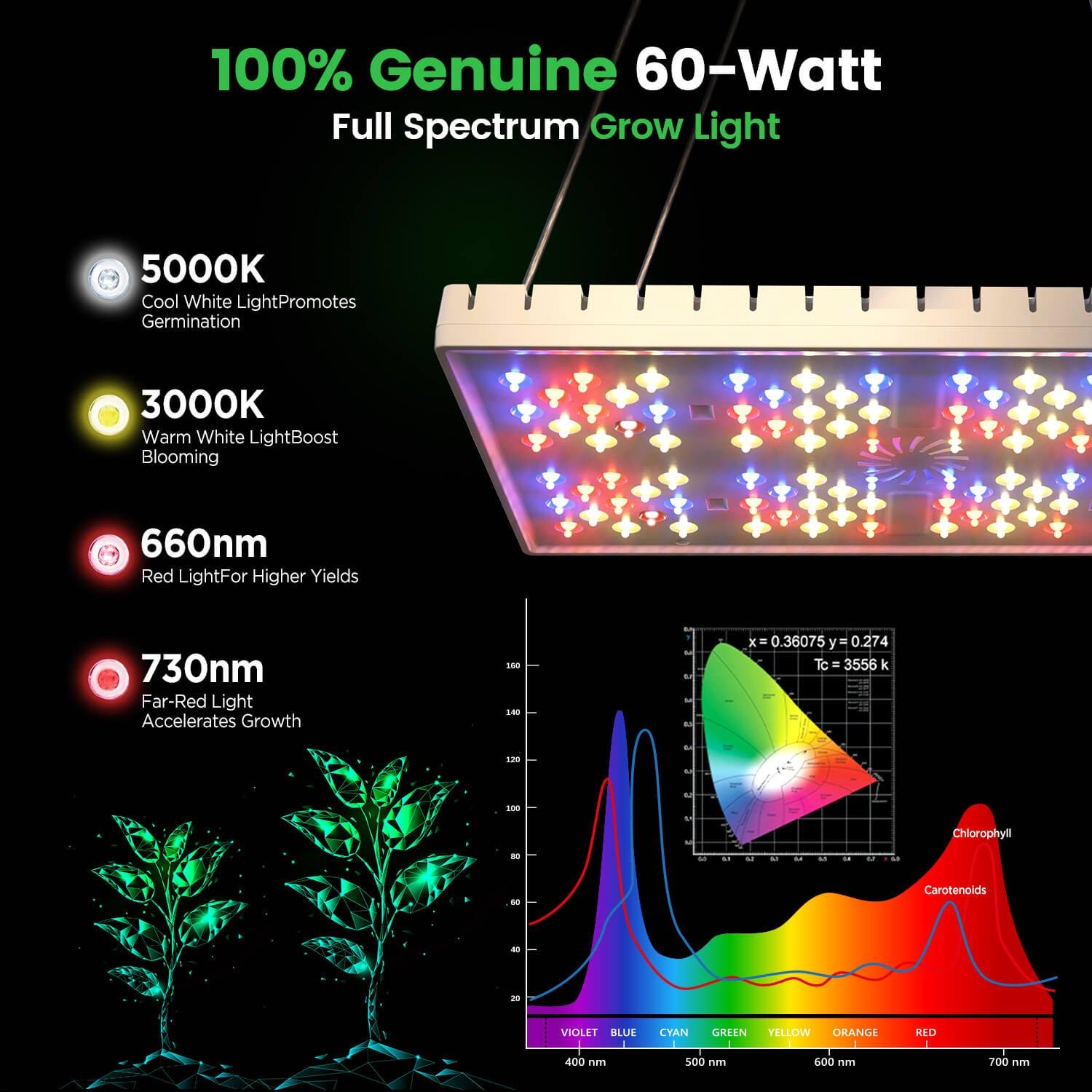
LED grow lights are one of the defining features of smart indoor garden systems. Since indoor environments often lack sufficient natural sunlight, full-spectrum LED lighting provides the energy plants need for photosynthesis.
These lights are designed to support different growth stages, from seedling development to mature plant production. Adjustable lighting schedules and brightness settings allow users to create more consistent growing conditions throughout the plant lifecycle.
Water Circulation and Oxygenation
Unlike traditional soil gardening, many indoor garden systems use circulating water instead of static containers. Continuous water movement helps prevent stagnation and improves oxygen availability around plant roots.
Better oxygen levels support healthier root development and help plants absorb water and nutrients more efficiently. This makes water circulation an important factor in maintaining stable growth inside compact indoor systems.
Plant Pods and Easy Plant Setup
Plant pods provide a simple and organized way to start growing. Instead of preparing soil, containers, and planting areas separately, users can place seeds or seedlings into pre-designed growing spaces.
This setup makes planting, monitoring, and replacing crops easier, especially for beginners who want a straightforward indoor gardening experience.
Home-Friendly Design
Smart indoor garden systems are designed around modern living spaces. Their compact structure allows them to fit into kitchens, apartments, offices, and other indoor areas where traditional gardening may not be practical.
By combining lighting, water management, and planting space into one unit, these systems make home food growing possible even in small spaces.
What Is Hydroponics?
Hydroponics is a soil-free growing method where plants receive essential nutrients through water instead of traditional soil. Rather than depending on soil to provide minerals, hydroponic systems deliver a controlled nutrient solution directly to plant roots.
In a hydroponic setup, plants still require the same basic elements as traditional gardening: light, water, nutrients, and oxygen. The main difference is that these elements are managed separately, allowing growers to control the growing environment more precisely.
Hydroponics can be used in many different applications, from small home growing systems to large commercial farms. In indoor gardening, hydroponics is often combined with LED lighting and automated controls to create a complete growing environment for herbs, vegetables, and other plants.
How Hydroponics Works

Hydroponics replaces traditional soil-based growing with a controlled water-based environment. Instead of searching through soil for nutrients, plant roots receive essential elements directly from a nutrient solution.
Nutrient-Rich Water Delivers Essential Elements
In hydroponic systems, water is mixed with carefully balanced nutrients that provide plants with the minerals needed for healthy growth. The nutrient solution supplies elements such as nitrogen, phosphorus, and potassium, which support leaf development, root growth, and overall plant health.
Roots Receive Water, Nutrients, and Oxygen
Healthy roots need more than just water and nutrients. They also require oxygen to support root respiration and nutrient absorption. Many hydroponic systems use water circulation, air pumps, or other methods to improve oxygen availability around the root zone.
Requires Proper Balance of Light, Nutrients, and Water Conditions
Successful hydroponic growing depends on maintaining the right balance between several factors. Light provides energy for photosynthesis, nutrients support plant development, and water delivers those nutrients to the roots.
If any one of these elements is poorly managed, plant growth can be affected. This is why many modern indoor garden systems combine hydroponic growing methods with automated lighting and water management to simplify the process for home users.
Common Hydroponic Growing Methods
Hydroponics is not a single growing technique. Different systems use different ways to deliver water, nutrients, and oxygen to plant roots. The main difference between these methods is how the nutrient solution moves around the root zone.
Deep Water Culture (DWC)
Deep Water Culture is one of the most common hydroponic methods used in home growing systems. Plants are placed above a reservoir, while their roots extend directly into nutrient-rich water.
Because roots have continuous access to water and nutrients, DWC can support fast growth when oxygen levels are properly maintained. Many smart indoor garden systems use a variation of this method because it is simple, compact, and suitable for growing herbs and leafy greens at home.
Nutrient Film Technique (NFT)
Nutrient Film Technique uses a thin, continuously flowing layer of nutrient solution that passes over plant roots. The roots receive nutrients and water while remaining exposed to air for oxygen availability.
NFT systems are often used in commercial hydroponic production because they can efficiently grow large numbers of plants in a limited area.
Drip Hydroponics
Drip hydroponics delivers nutrient solution directly to each plant through small tubes or emitters. The system allows precise control over water and nutrient delivery for individual plants.
This method is commonly used for larger plants with higher nutrient demands, including some fruiting vegetables. However, it typically requires more components and maintenance compared with simpler home hydroponic systems.
Indoor Garden vs Hydroponics: The Relationship
Although indoor gardens and hydroponics are closely connected, they describe different aspects of the growing process. An indoor garden is a complete consumer product designed for home use, while hydroponics is the plant cultivation method that may be used inside that system.
Understanding this difference helps beginners avoid confusion when comparing products and choosing the right growing solution.
System vs Growing Method
| Indoor Garden | Hydroponics |
|---|---|
| Complete consumer product | Plant growing technique |
| Includes hardware, LED lighting, water systems, and controls | Focuses on how plants receive water and nutrients |
| Designed for home users and beginners | Can be used in both home and commercial growing environments |
An indoor garden system combines multiple components into one ready-to-use solution. Hydroponics only describes the method of growing plants without soil.
For example, a smart indoor garden may use a hydroponic growing method while also including LED lights, water circulation, plant pods, and automated controls.
User Experience Difference
Indoor Garden System
- Ready-to-use solution
- Integrated lighting and water management
- Easier setup for beginners
- Less technical knowledge required
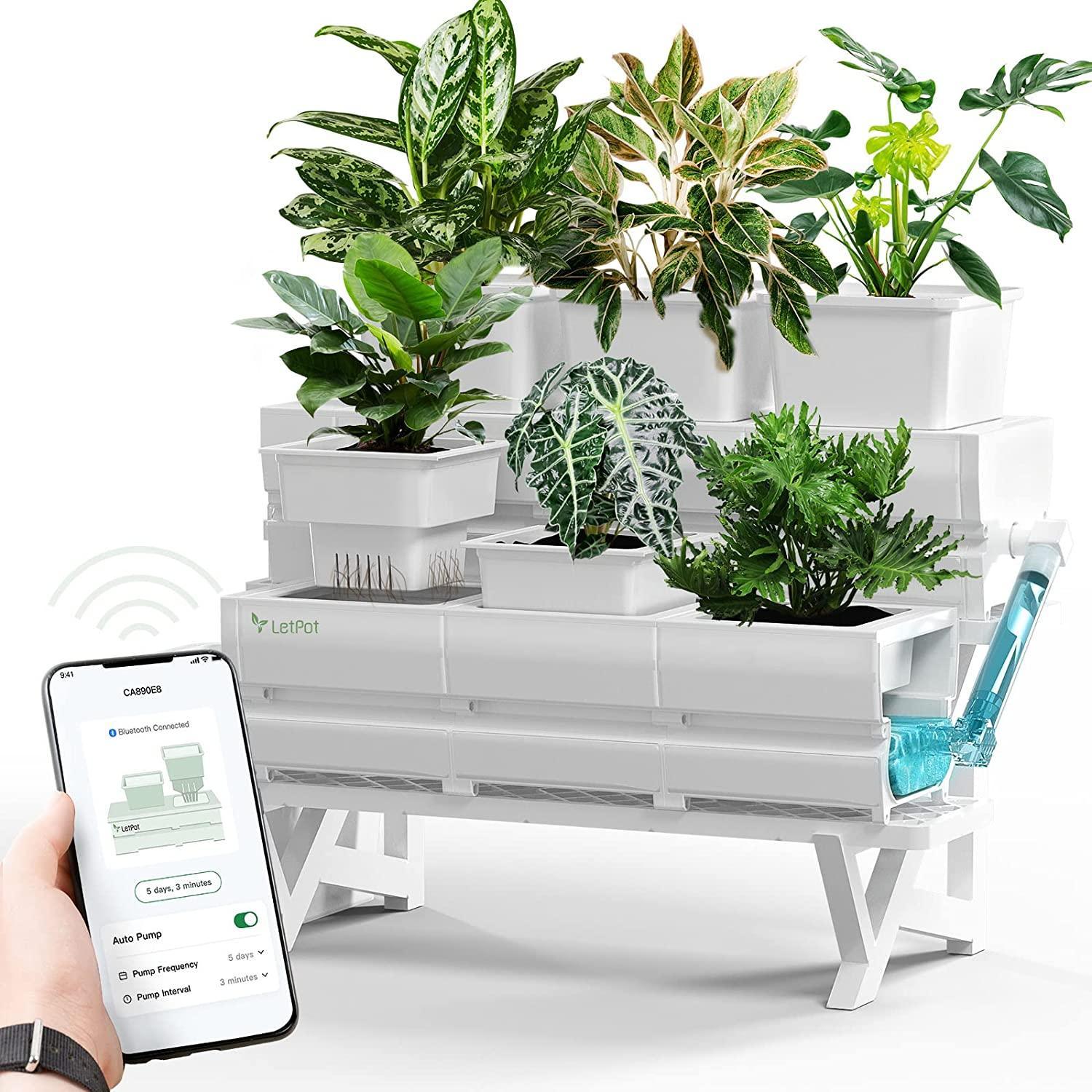
Hydroponics Setup
- Requires more knowledge about system design
- Users manage individual components
- Offers more customization options
- Better suited for experienced growers
For most home users, an indoor garden system provides a simpler way to experience hydroponic growing without building a complete system from scratch.
Maintenance Difference
Indoor Garden
- Automated lighting schedules
- Built-in water circulation
- Easier daily management
- Designed for simple home operation
Hydroponics
- Requires more manual monitoring
- Nutrient levels may need regular adjustment
- Different systems require different maintenance routines
- Offers more control over growing parameters
In short, hydroponics is the growing method, while an indoor garden system is the complete solution that makes hydroponic growing easier for everyday users.
Where Traditional Indoor Plants Fit In
Traditional indoor plants are different from smart indoor garden systems because they are usually grown for decoration rather than food production. These plants typically grow in soil-based containers and depend on natural sunlight or separate grow lights to maintain healthy growth.
Common examples include houseplants such as foliage plants, flowering plants, and decorative greenery. They are often selected based on appearance, size, and how well they adapt to indoor environments.
Unlike smart indoor garden systems, traditional indoor plants usually do not include automated features such as water circulation, nutrient delivery, or built-in lighting. Plant care depends more on manual watering, soil quality, sunlight availability, and the grower's experience.
However, traditional indoor plants remain a great option for people who want to add greenery to their homes, improve indoor aesthetics, or enjoy caring for ornamental plants. The main difference is that smart indoor garden systems are designed specifically for controlled food growing, while traditional houseplants focus more on decoration and natural plant enjoyment.
Why Many Indoor Garden Systems Use Hydroponics

Many modern indoor garden systems use hydroponic growing methods because they provide better control over the limited conditions available inside homes. Compared with traditional soil gardening, hydroponics allows users to manage water, nutrients, and root environments more efficiently in a compact space.
Cleaner Indoor Growing Environment
Growing without soil reduces common indoor gardening issues such as soil spills, pests, and messy maintenance. This makes hydroponic-based systems especially suitable for kitchens, apartments, and other living areas.
Better Control Over Water and Nutrients
Hydroponic systems deliver nutrients directly through water, allowing plants to receive a more consistent supply of essential elements. This controlled approach helps maintain stable growing conditions and reduces the uncertainty caused by differences in soil quality.
Efficient Use of Small Spaces
Because hydroponics does not require traditional garden beds or large amounts of soil, it allows more plants to be grown in a smaller area. This makes it a practical solution for apartment residents and anyone with limited indoor space.
Suitable for Growing Herbs, Vegetables, and Flowers Indoors
Hydroponic-based indoor garden systems can support a wide range of plants, including basil, lettuce, tomatoes, peppers, and many flowering varieties. By combining controlled water delivery with artificial lighting, these systems make year-round indoor growing possible.
Supports Year-Round Growing
Outdoor gardening is limited by seasons, weather, and climate conditions. Indoor hydroponic systems create a more stable environment, allowing users to grow fresh plants throughout the year regardless of outdoor conditions.
Which Growing Solution Is Right for You?
The best growing solution depends on your goals, experience level, available space, and how much control you want over the growing process. Indoor garden systems, traditional hydroponics, and soil gardening each have different advantages for different types of growers.
Choose an Indoor Garden System If You Want:
Easy setup
Smart indoor garden systems are designed for users who want to start growing without building a complete setup. Most components, including lighting, water circulation, and planting spaces, are integrated into one system.
Automated lighting and water circulation
Built-in technology helps manage important growing conditions automatically. This reduces daily maintenance and makes it easier to maintain consistent plant growth.
Growing herbs and vegetables at home
Indoor garden systems are especially suitable for fresh kitchen crops such as basil, lettuce, parsley, tomatoes, and peppers. They provide a practical way to grow food in apartments, kitchens, and other small spaces.
A beginner-friendly solution
For people who are new to indoor growing, a complete system removes many technical barriers. Users can focus on choosing plants and learning basic care rather than managing individual hydroponic components.
Choose Traditional Hydroponics If You Want:
More control over growing parameters
Traditional hydroponic setups allow experienced growers to adjust factors such as nutrient concentration, water flow, and system design.
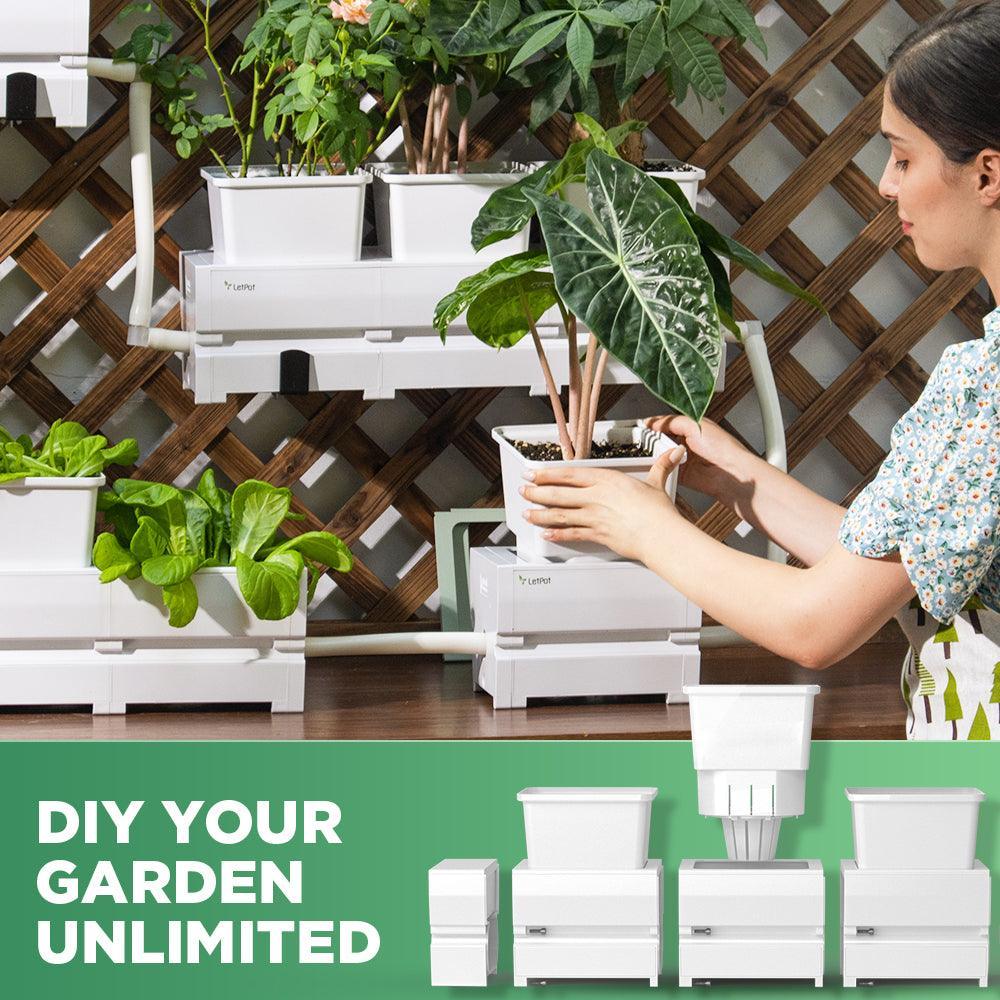
Custom system design
Growers can build systems based on their preferred plants, available space, and production goals. This flexibility is useful for larger-scale or specialized growing projects.
A deeper learning experience
Hydroponics provides more opportunities to understand plant science and optimize growing conditions, making it appealing for users who enjoy experimenting with different techniques.
Choose Soil Gardening If You Want:
Traditional gardening experience
Soil gardening offers a familiar growing method that connects plants with natural growing processes.
Decorative indoor plants
For houseplants grown mainly for appearance, soil containers remain a simple and effective choice.
Natural soil-based growing
Some gardeners prefer the texture, process, and traditional approach of caring for plants in soil.
Ultimately, the right choice depends on whether your priority is convenience, customization, or a traditional gardening experience. For most beginners looking to grow fresh food indoors, a smart indoor garden system provides the simplest path to successful results.
How Smart Indoor Garden Systems Combine Technology and Hydroponics
Smart indoor garden systems simplify hydroponic growing by combining multiple technologies into a single home-friendly device. Instead of requiring users to build separate lighting, water delivery, and plant support systems, these products integrate everything needed for indoor food production.
Hydroponic Growing Method Inside a Complete Consumer Device
At the core of many smart indoor gardens is a hydroponic growing method. Plants grow without soil, while roots receive water and nutrients through a controlled system.
The difference is that modern indoor garden systems package this method into an easy-to-use product designed for everyday households rather than professional growers.
LED Lighting + Water Circulation + Oxygenation + Plant Pods
A smart indoor garden combines several essential growing components:
- LED grow lights provide consistent light for photosynthesis
- Water circulation systems keep nutrients moving and improve oxygen availability
- Plant pods or growing modules simplify planting and replacement
- Smart controls help users manage growing schedules more easily
By integrating these elements, indoor gardens create a more stable growing environment compared with manually managing separate components.
Simplifies Hydroponic Growing for Everyday Users
Traditional hydroponics often requires knowledge of nutrient management, system design, and environmental adjustments. Smart indoor garden systems reduce this complexity by automating many of the tasks that typically require more experience.
This allows beginners to enjoy hydroponic growing without needing to build or maintain a complicated setup.
Makes Indoor Food Production Accessible in Small Spaces
One of the biggest advantages of smart indoor gardens is their ability to bring food production into places where traditional gardening is impossible.
Apartments, kitchens, offices, and small homes can all become productive growing spaces with the right system. By combining compact design with hydroponic technology, indoor gardens make fresh herbs and vegetables available year-round.
Frequently Asked Questions
Is an indoor garden the same as hydroponics?
No. An indoor garden and hydroponics are related but not identical concepts. An indoor garden is a complete growing system designed for home use, while hydroponics is a soil-free growing method that may be used inside many indoor garden systems.
Do indoor garden systems use hydroponics?
Many modern indoor garden systems use hydroponic growing methods. These systems typically combine nutrient-rich water, plant pods, LED grow lights, and water circulation to create a controlled environment for indoor plant growth.
Can you grow plants indoors without soil?
Yes. Plants can be grown indoors without soil through hydroponic methods. Instead of soil, plants receive nutrients through water-based solutions that deliver essential elements directly to their roots.
Are indoor garden systems good for beginners?
Yes. Smart indoor garden systems are designed to simplify the growing process by combining lighting, watering, and planting features into one device. This makes them easier to manage compared with building a traditional hydroponic setup from individual components.
What is the easiest way to grow vegetables indoors?
For most beginners, the easiest approach is using a smart indoor garden system with built-in LED lighting and automated water management. Starting with fast-growing crops such as lettuce, herbs, and leafy greens usually provides the highest chance of success.
Do indoor garden systems need sunlight?
No. Indoor garden systems typically use full-spectrum LED grow lights to provide the light plants need for photosynthesis. While natural light can be helpful, many systems are designed to grow plants successfully without direct sunlight.
Conclusion
Indoor gardens and hydroponics are closely connected, but they represent different parts of the growing process. Hydroponics is the method that allows plants to grow without soil, while smart indoor garden systems combine this method with lighting, water management, and user-friendly features.
For beginners, understanding this difference makes it easier to choose the right solution. Those looking for a simple way to grow herbs and vegetables at home will usually benefit from a complete indoor garden system, while experienced growers may prefer the flexibility of a customized hydroponic setup.
By combining hydroponic technology with compact design and automation, smart indoor gardens make year-round food production possible in kitchens, apartments, and other small indoor spaces.



Leave a comment
All comments are moderated before being published.
This site is protected by hCaptcha and the hCaptcha Privacy Policy and Terms of Service apply.