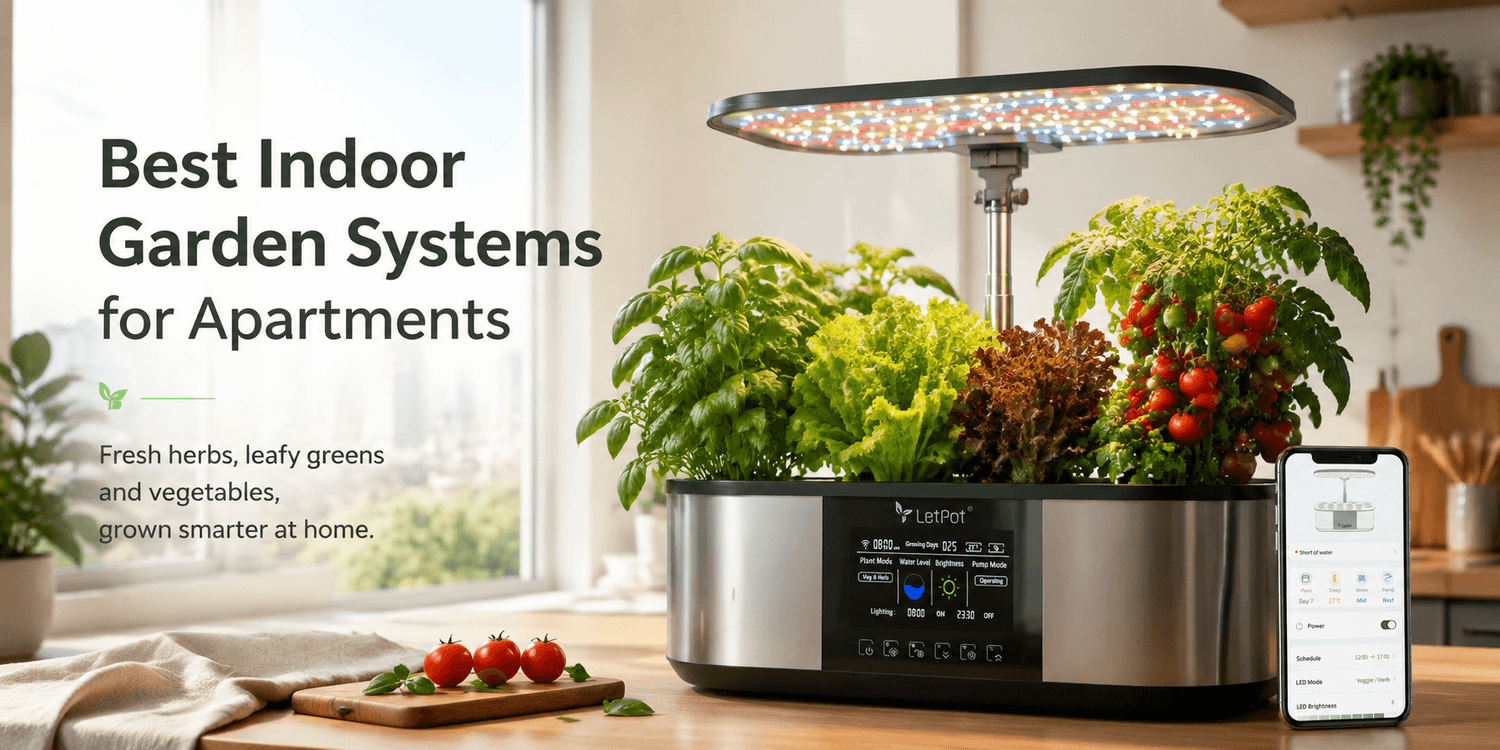
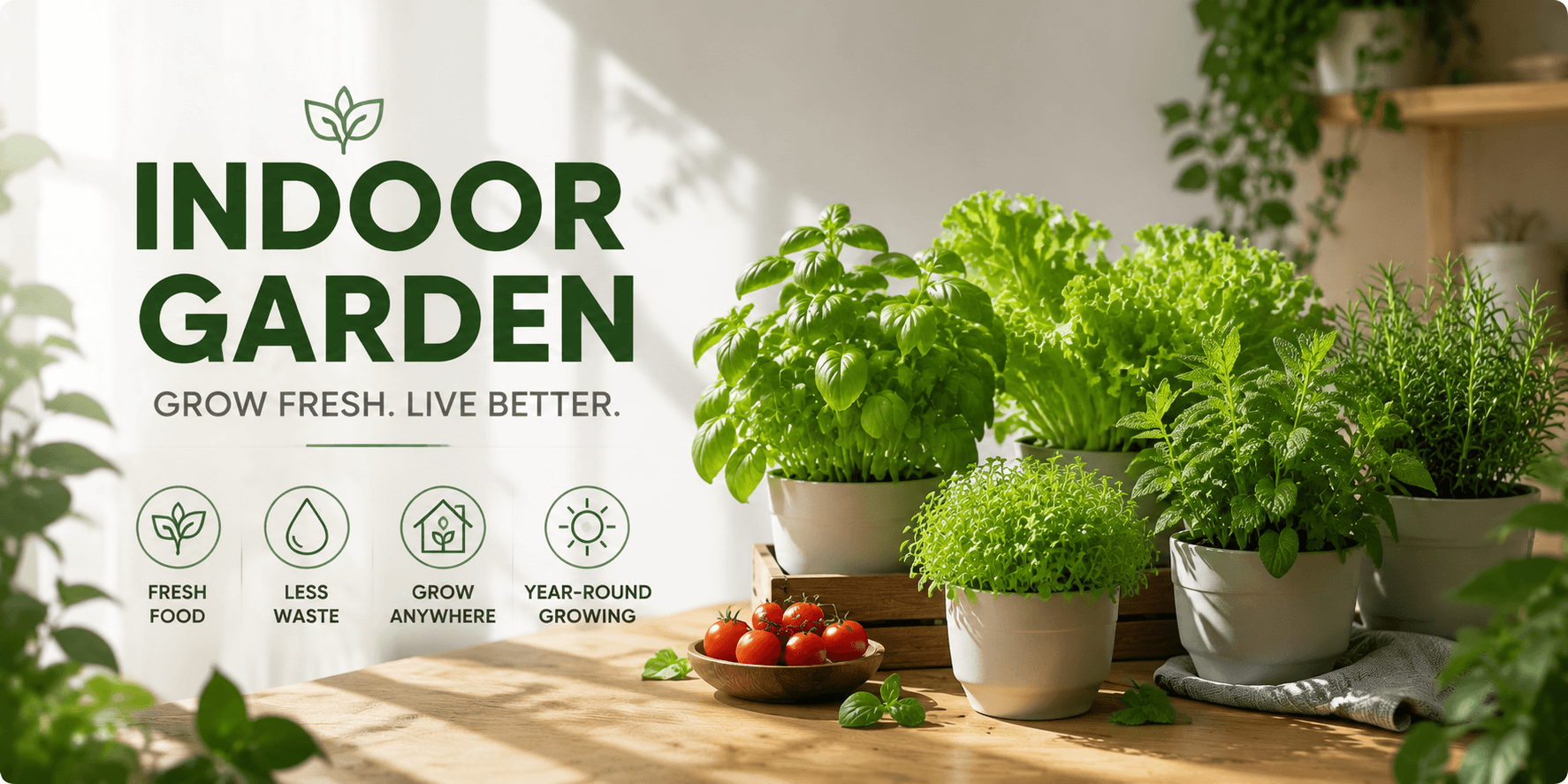
Living in an apartment or a home with limited space doesn't mean you have to give up the idea of growing fresh herbs and vegetables. As more people embrace urban living, indoor gardening has become a practical way to enjoy homegrown produce without needing a backyard, balcony, or dedicated garden.
Small-space gardening does come with unique challenges. Limited countertop space, inconsistent natural light, and busy lifestyles can make traditional container gardening difficult to maintain. Fortunately, modern indoor garden systems are designed specifically to overcome these limitations through compact designs, integrated grow lights, automated watering, and smart controls.
This guide will help you choose the best indoor garden for your living space by comparing the features that matter most. Whether you're looking for a countertop herb garden, a smart indoor garden for an apartment, or a larger system for growing vegetables year-round, you'll learn how to select the right solution for your home and growing goals.
What Makes an Indoor Garden Ideal for Small Spaces?

Not every indoor garden system is designed for compact living. The best models maximize growing capacity while minimizing the amount of floor or countertop space they occupy. For apartment dwellers, choosing a system that fits both the available space and daily routine is often more important than simply selecting the largest unit.
Compact Footprint
A small footprint allows an indoor garden to fit comfortably on kitchen countertops, shelves, or side tables without interfering with everyday activities. Compact systems also make it easier to move the garden when cleaning or rearranging your space.
Vertical Growing Design
Growing upward instead of outward is one of the most effective ways to increase planting capacity in small homes. Vertical designs provide more room for plants while using the same countertop area, making them ideal for apartments and condos.
Low Maintenance
Busy schedules often make traditional indoor gardening difficult. Systems with automatic watering, built-in lighting, and programmable schedules reduce daily maintenance while helping plants grow more consistently.
Year-Round Growing Capability
A good indoor garden should provide stable growing conditions regardless of the season. Integrated grow lights and controlled watering allow herbs, leafy greens, and many vegetables to continue growing even during winter or in rooms with limited natural sunlight.
Choosing the Right Indoor Garden for Your Space

The best indoor garden system isn't necessarily the one with the most planting pods or the largest water reservoir—it's the one that fits your available space and growing goals. Choosing a system based on where it will be placed helps ensure both healthy plant growth and a more convenient daily experience.
Kitchen Countertops
Kitchen countertops are the most popular location for indoor gardens because they provide easy access to fresh herbs and vegetables while cooking. Compact countertop systems are ideal for growing basil, parsley, chives, lettuce, and other frequently harvested crops.
Apartments and Condos
Apartment living often means making the most of limited space. Slim, vertical indoor garden systems fit comfortably in living rooms, kitchens, or near bright windows without occupying excessive floor space. Systems with built-in grow lights also eliminate the need for direct sunlight.
Home Offices
Adding an indoor garden to a home office brings greenery into the workspace while providing fresh herbs or leafy greens within easy reach. Quiet operation and automatic maintenance are especially valuable in areas used for work or video meetings.
Dorm Rooms
Dorm rooms benefit from small, easy-to-manage indoor gardens that require minimal maintenance. Compact systems with automatic lighting and watering schedules help students grow fresh herbs without adding extra daily responsibilities.
Small Family Kitchens
Families who cook regularly often benefit from larger indoor garden systems that can support multiple plant varieties at the same time. Growing herbs alongside leafy greens allows for continuous harvesting while making efficient use of limited kitchen space.
Features to Look for in an Indoor Garden System
The right features can make a significant difference in both plant health and the overall growing experience. While every indoor garden system is different, several core features consistently improve convenience, productivity, and long-term success.
Built-in Grow Lights
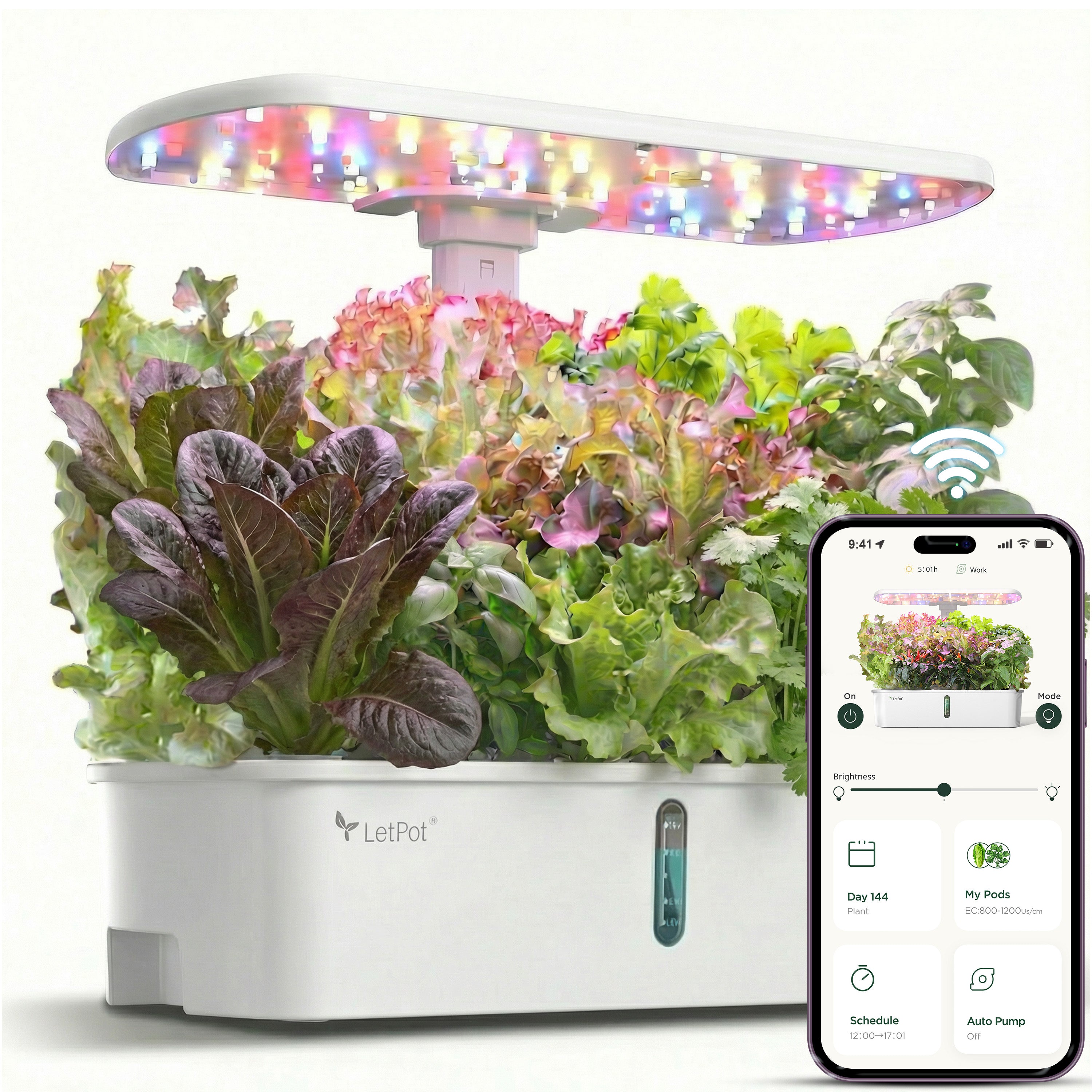
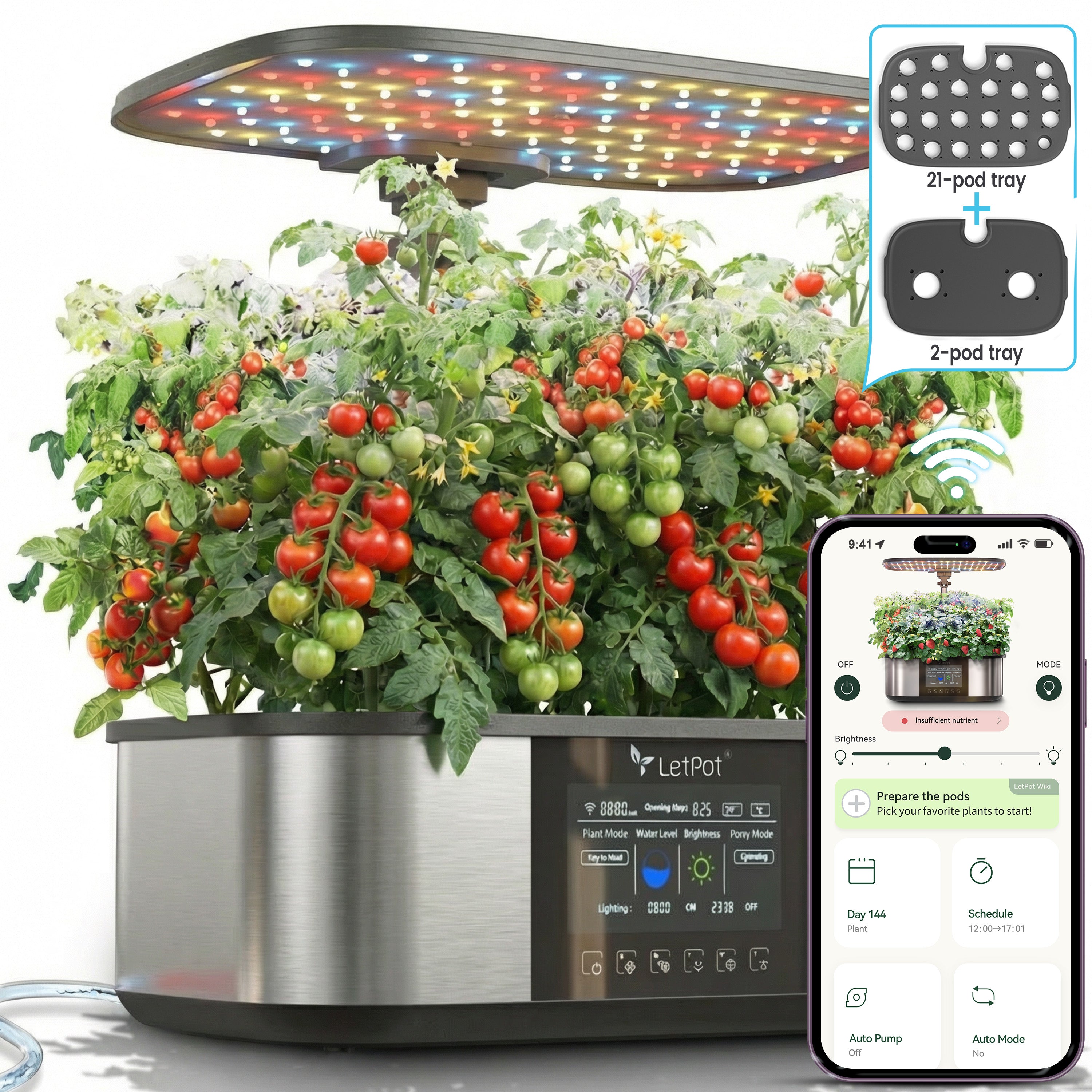
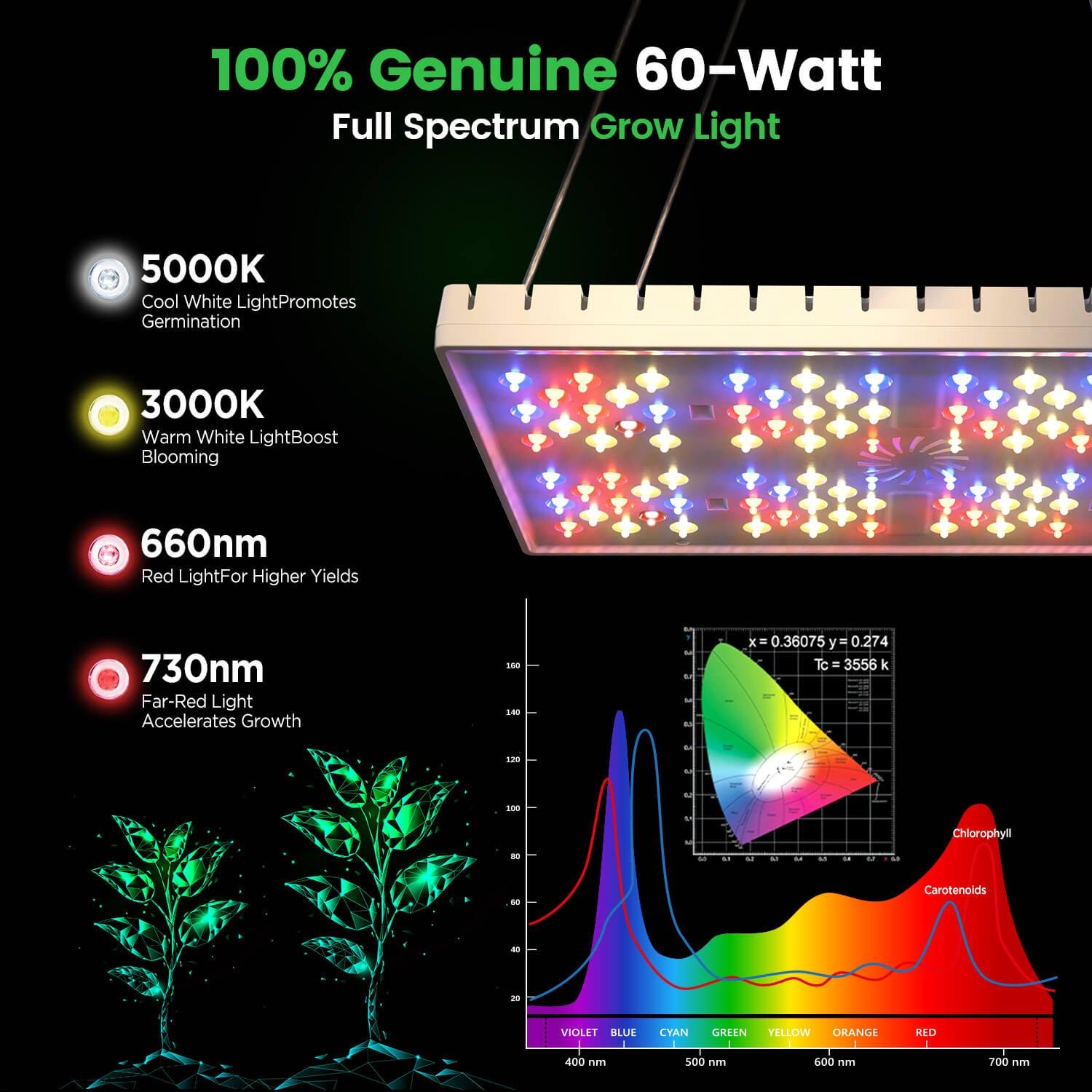
Integrated full-spectrum LED grow lights provide plants with consistent illumination throughout the year. This allows gardens to be placed almost anywhere in the home without depending on direct sunlight, while supporting healthy growth from seedlings to harvest.
Automatic Watering
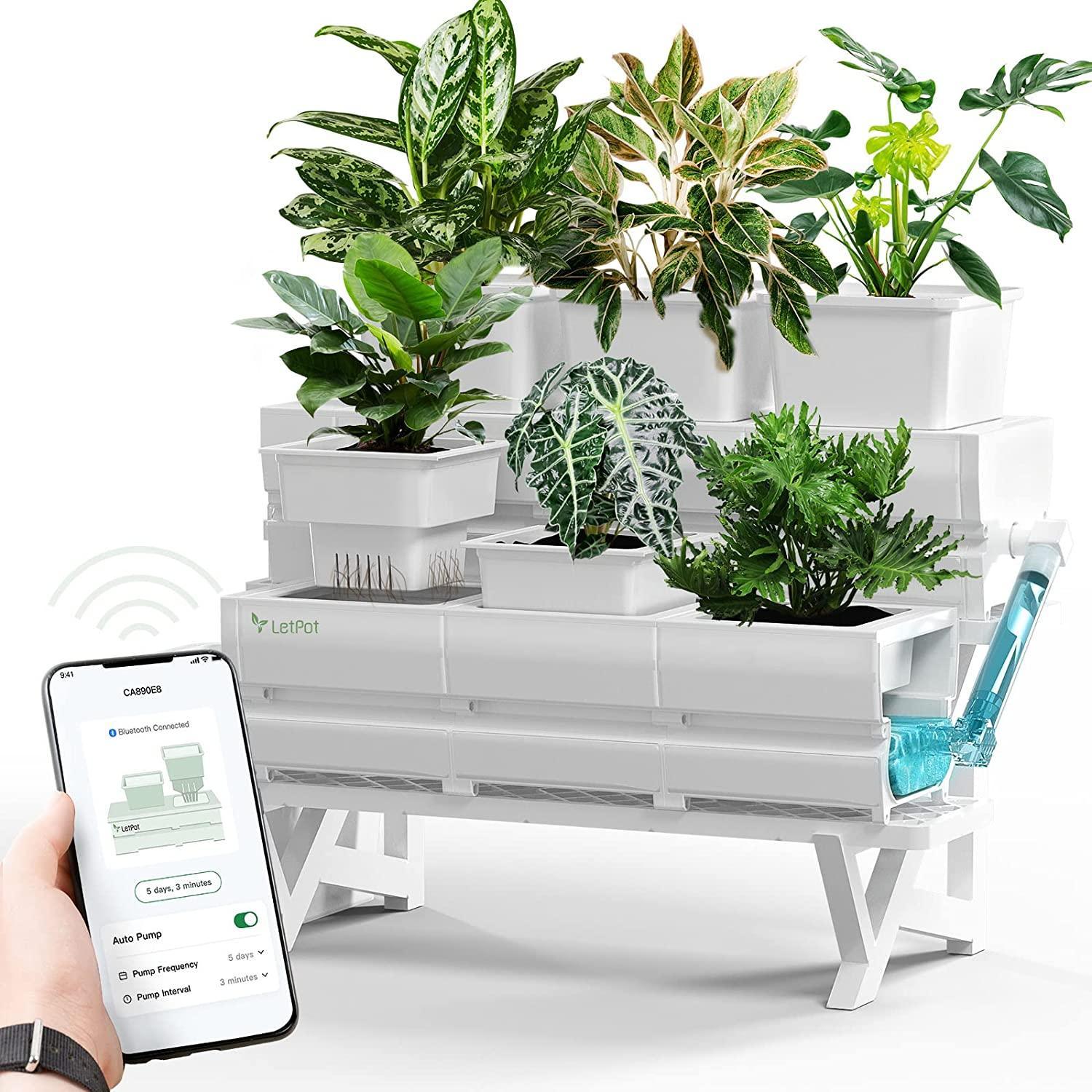
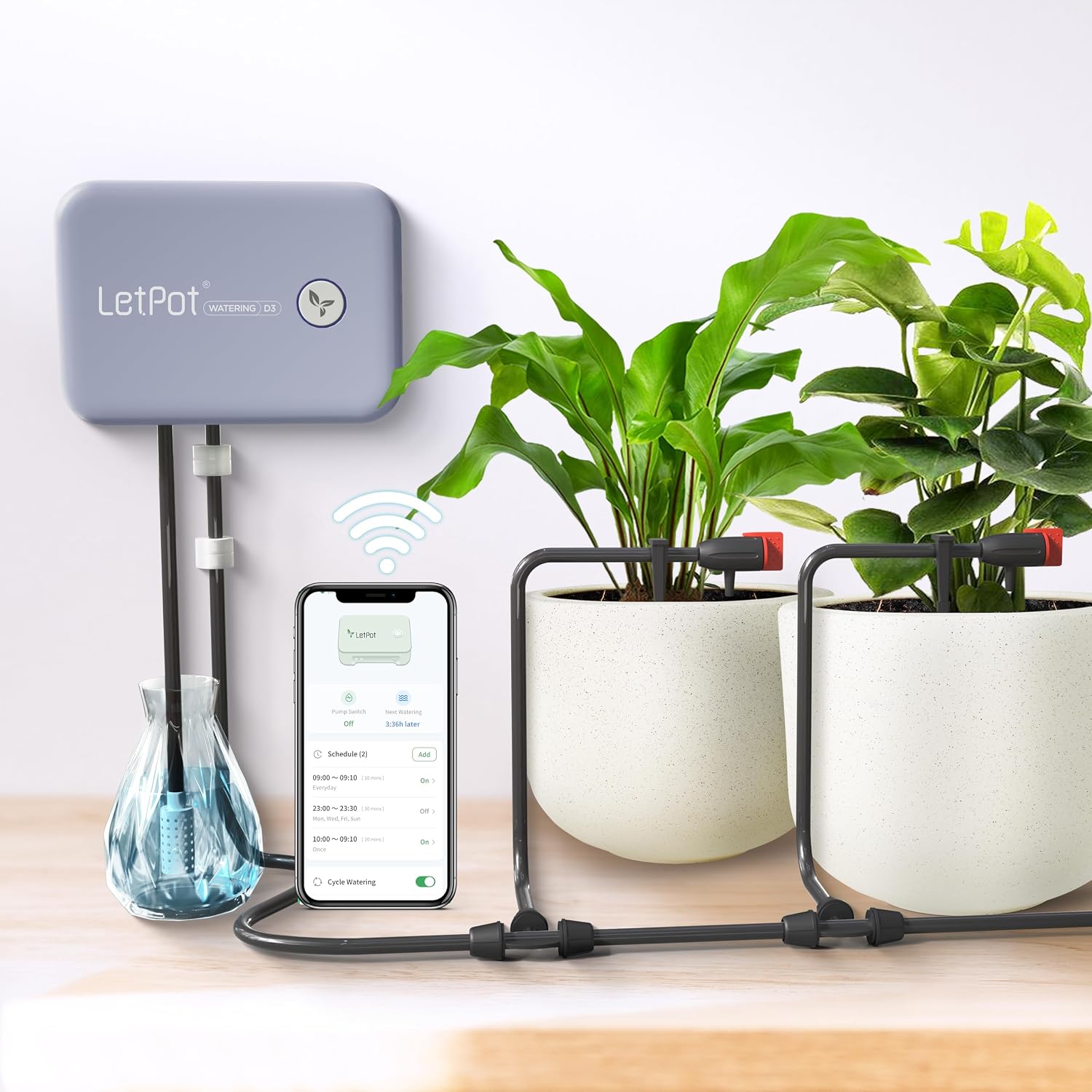
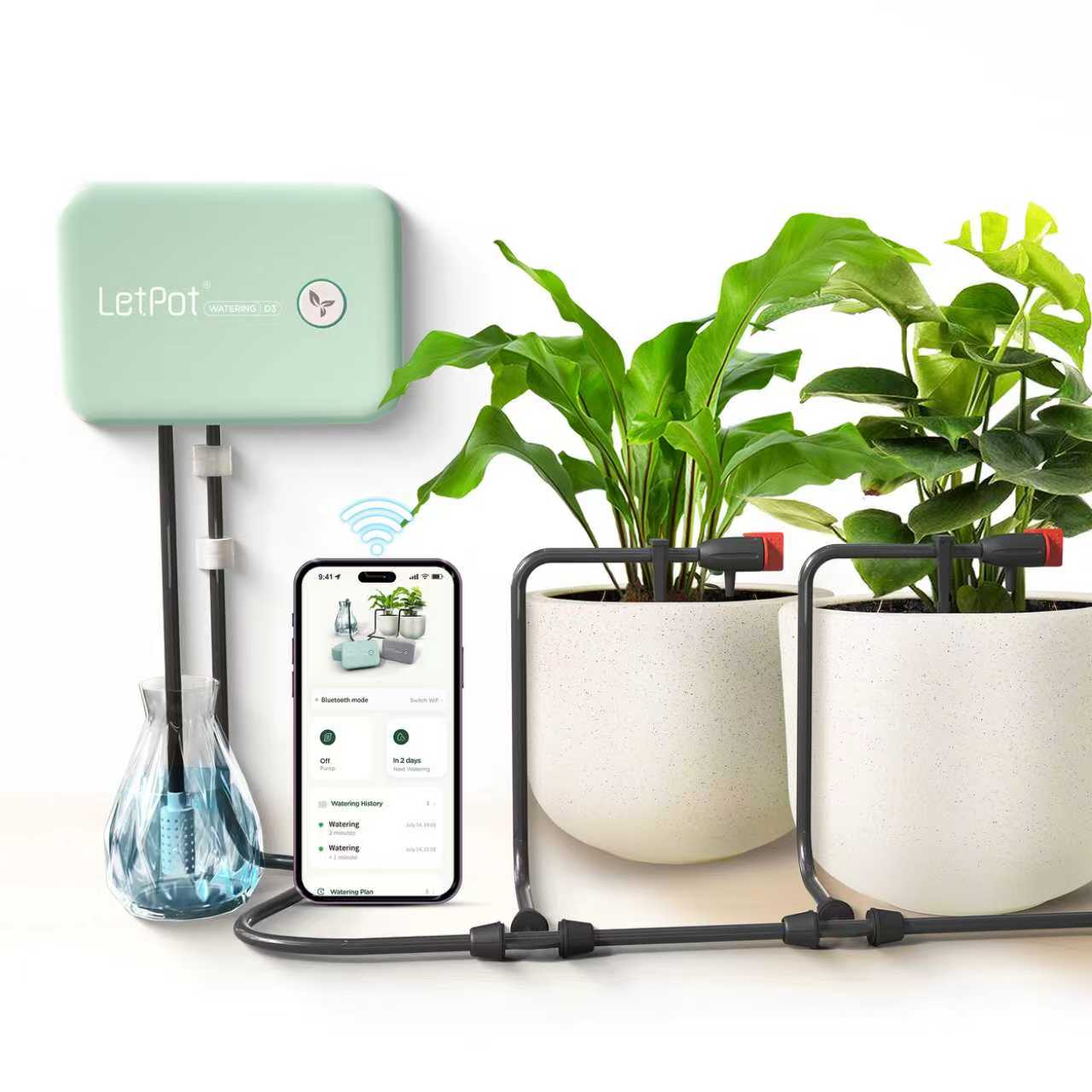
Automatic watering systems help maintain stable moisture levels by delivering water when plants need it. This reduces the risk of underwatering or overwatering and makes indoor gardening much easier for busy households or frequent travelers.
Adjustable Light Height
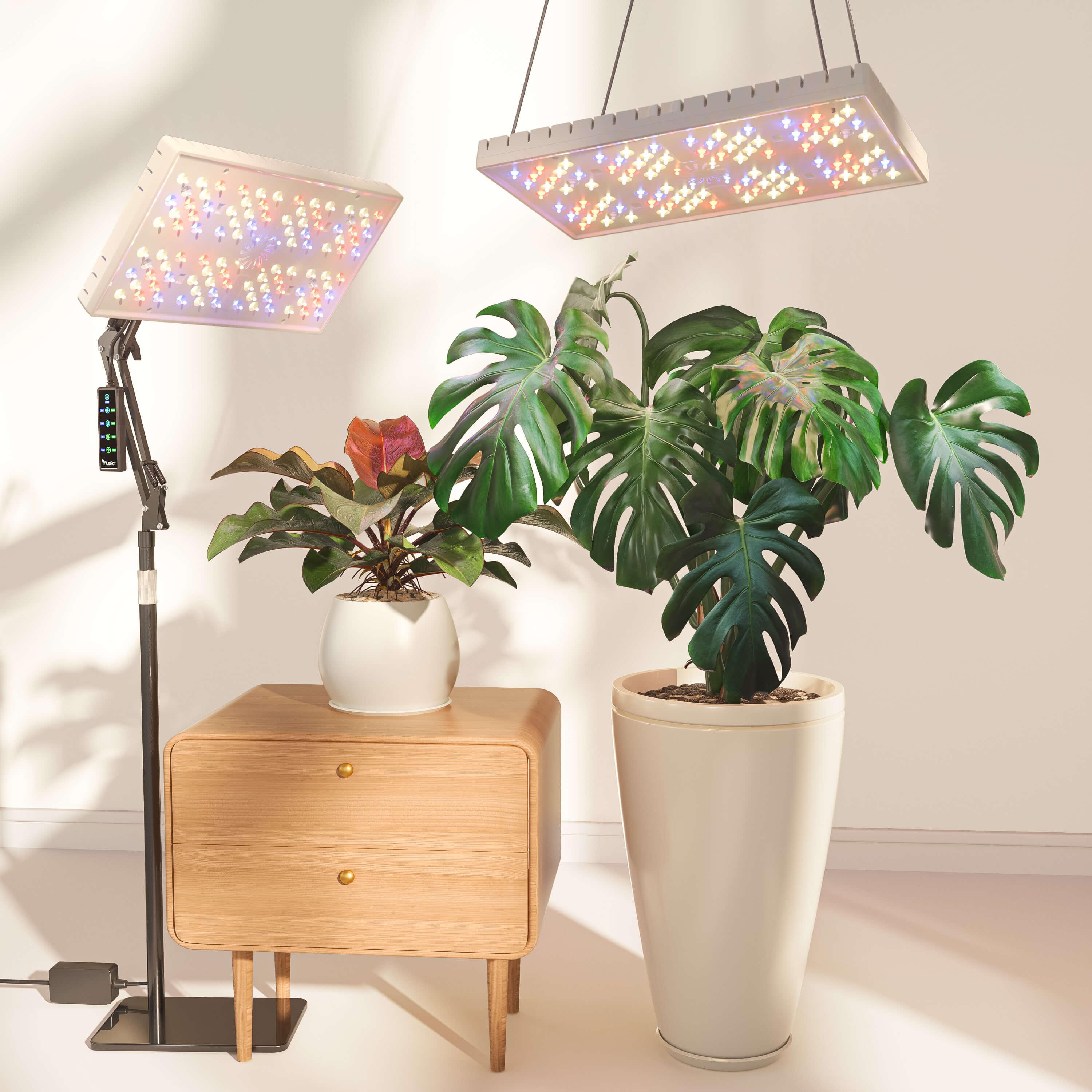
As plants grow, their lighting needs change. An adjustable light panel helps maintain the proper distance between the light source and the plant canopy, improving light distribution while accommodating vegetables and herbs of different heights.
Plant Capacity
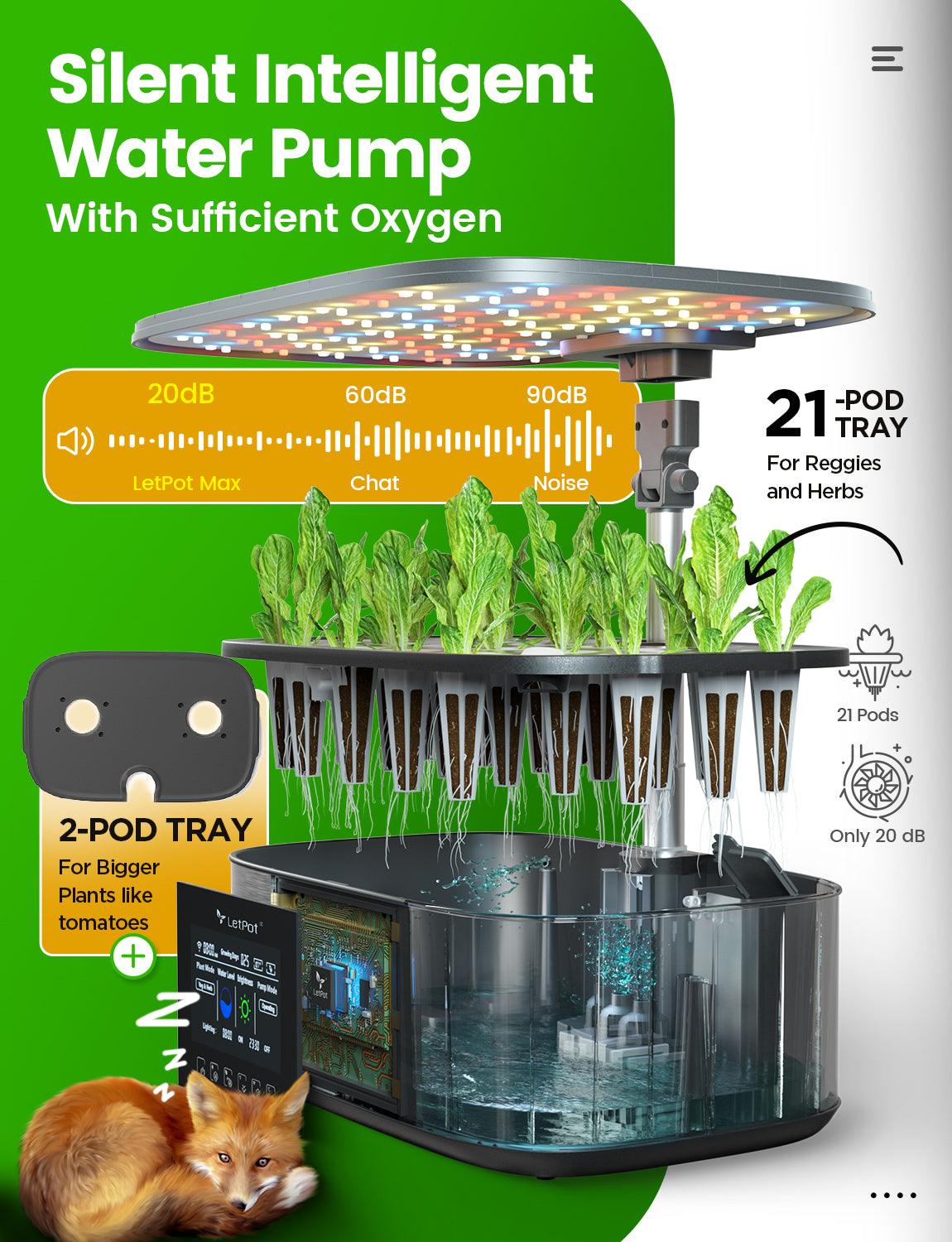
Indoor garden systems are available in a range of sizes, from compact countertop units for a few herbs to larger models capable of growing multiple vegetables at once. Selecting the right plant capacity depends on your available space and how much produce you plan to harvest regularly.
Smart App Control
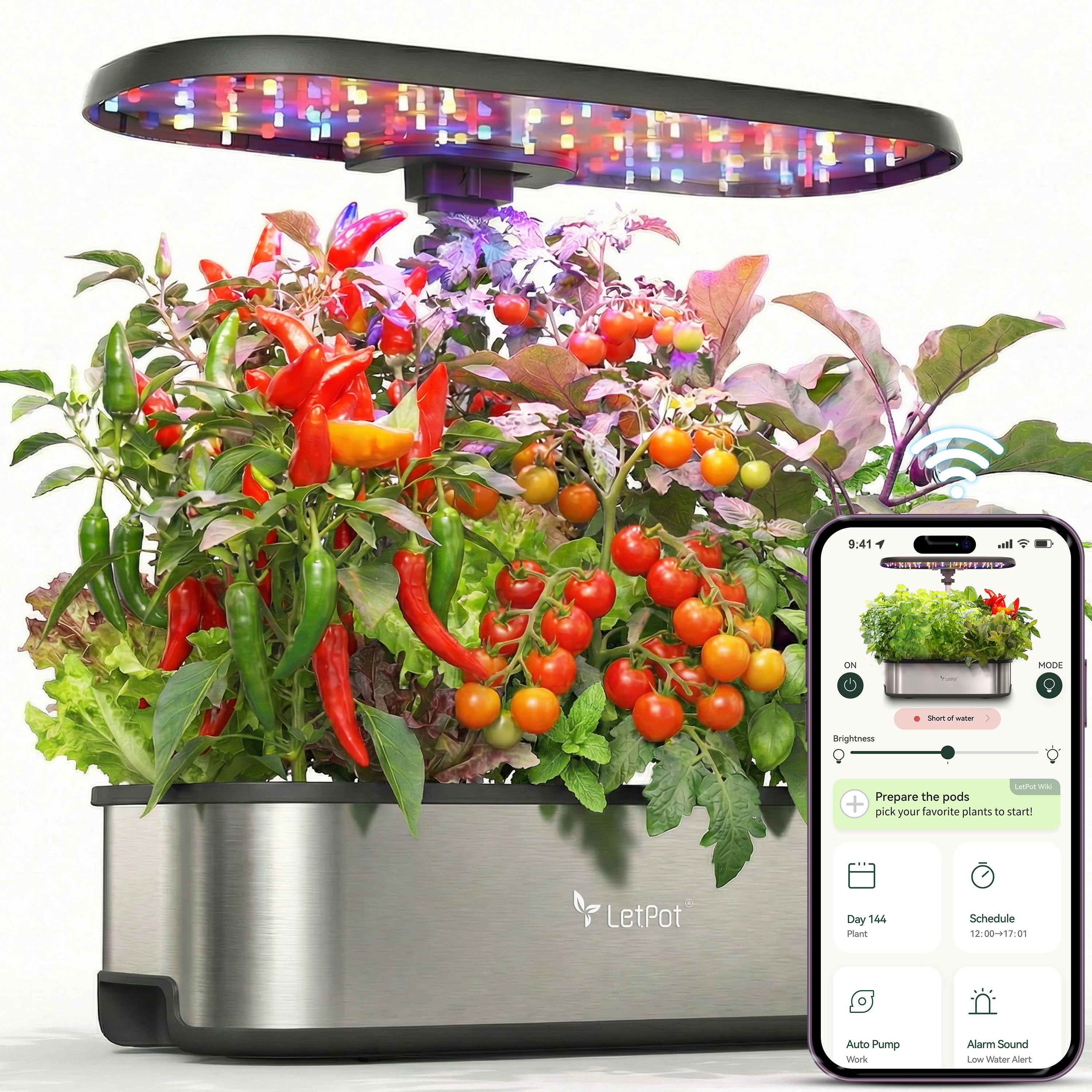
Smart connectivity allows users to monitor and manage their indoor garden remotely. Features such as lighting schedules, watering reminders, and plant notifications help simplify routine maintenance while keeping growing conditions consistent.
Quiet Operation
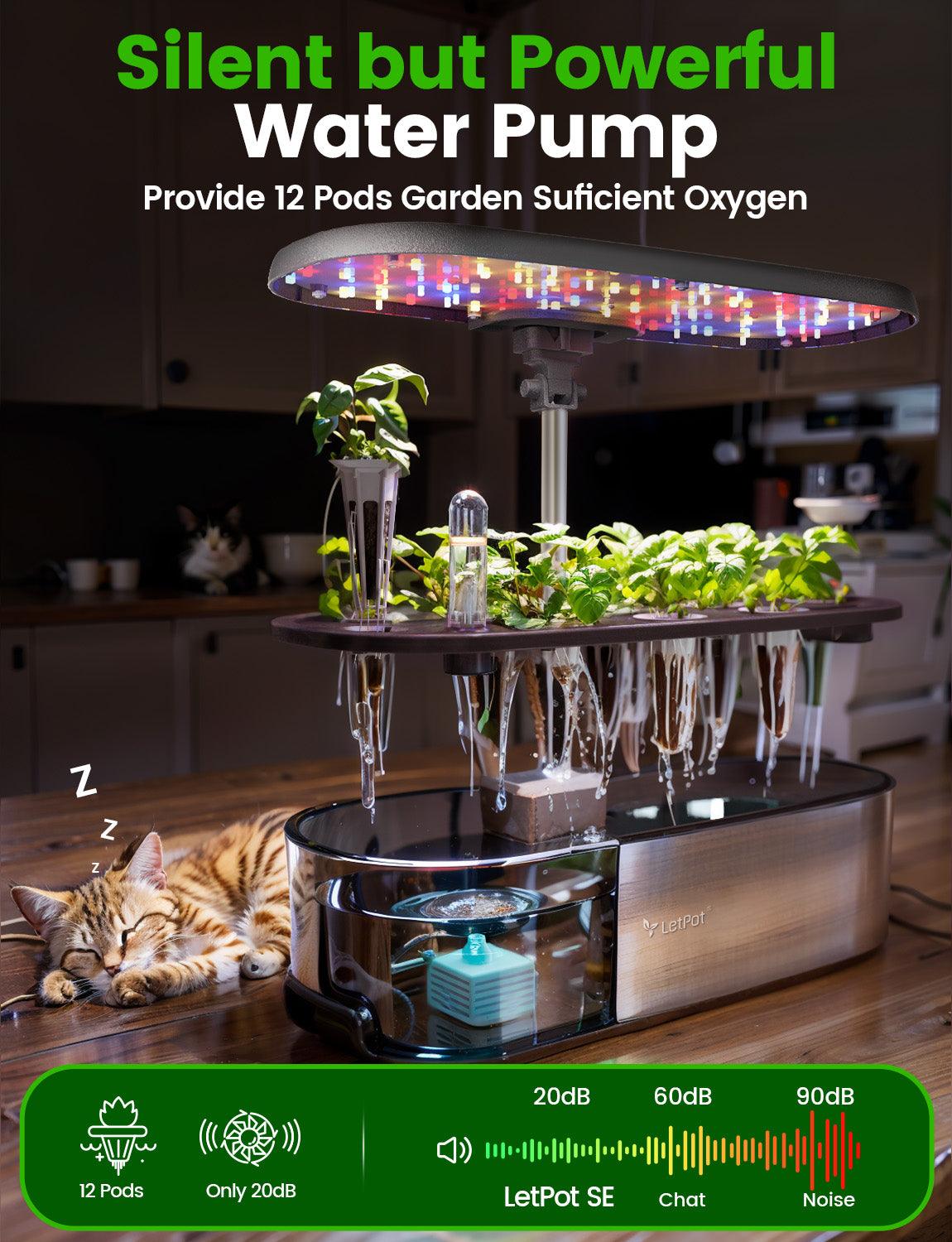
Because indoor gardens are often placed in kitchens, bedrooms, or home offices, low operating noise is an important consideration. Quiet pumps and cooling systems make it possible to grow plants throughout the day without disrupting everyday activities.
Which Indoor Garden System Is Right for You?

The best indoor garden system depends on your experience, the types of plants you want to grow, and the amount of space available. Instead of focusing only on the number of pods or the largest reservoir, choose a system that matches your growing habits and long-term goals.
Best for Beginners
New indoor gardeners benefit most from systems that automate routine tasks such as lighting and watering. These features reduce the learning curve and help create stable growing conditions, making it easier to achieve consistent results from the first planting.
Best for Growing Herbs
Herbs thrive in compact indoor garden systems because they require relatively little space and can be harvested continuously. Basil, mint, parsley, chives, and thyme are all excellent choices for year-round kitchen gardening.
Best for Vegetables
If your goal is to grow fresh food rather than just herbs, look for systems that provide stronger lighting, sufficient root space, and enough height for larger plants. Leafy greens grow well in most systems, while fruiting vegetables benefit from higher-capacity models with adjustable lighting.
Best for Small Countertops
For limited countertop space, compact vertical systems offer the best balance between growing capacity and footprint. They allow multiple plants to grow without occupying valuable workspace, making them ideal for apartments, studios, and small kitchens.
Best for Larger Harvests
Households that want to harvest several types of herbs and vegetables simultaneously should consider larger indoor garden systems with greater planting capacity. More growing spaces allow staggered planting schedules, making it easier to enjoy fresh harvests throughout the year.
How to Maximize Growing Space Indoors
Making the most of a small indoor space is about careful planning rather than simply adding more plants. By choosing efficient layouts and compact crops, even a small apartment can produce a surprising amount of fresh herbs and vegetables throughout the year.
Make Use of Vertical Space
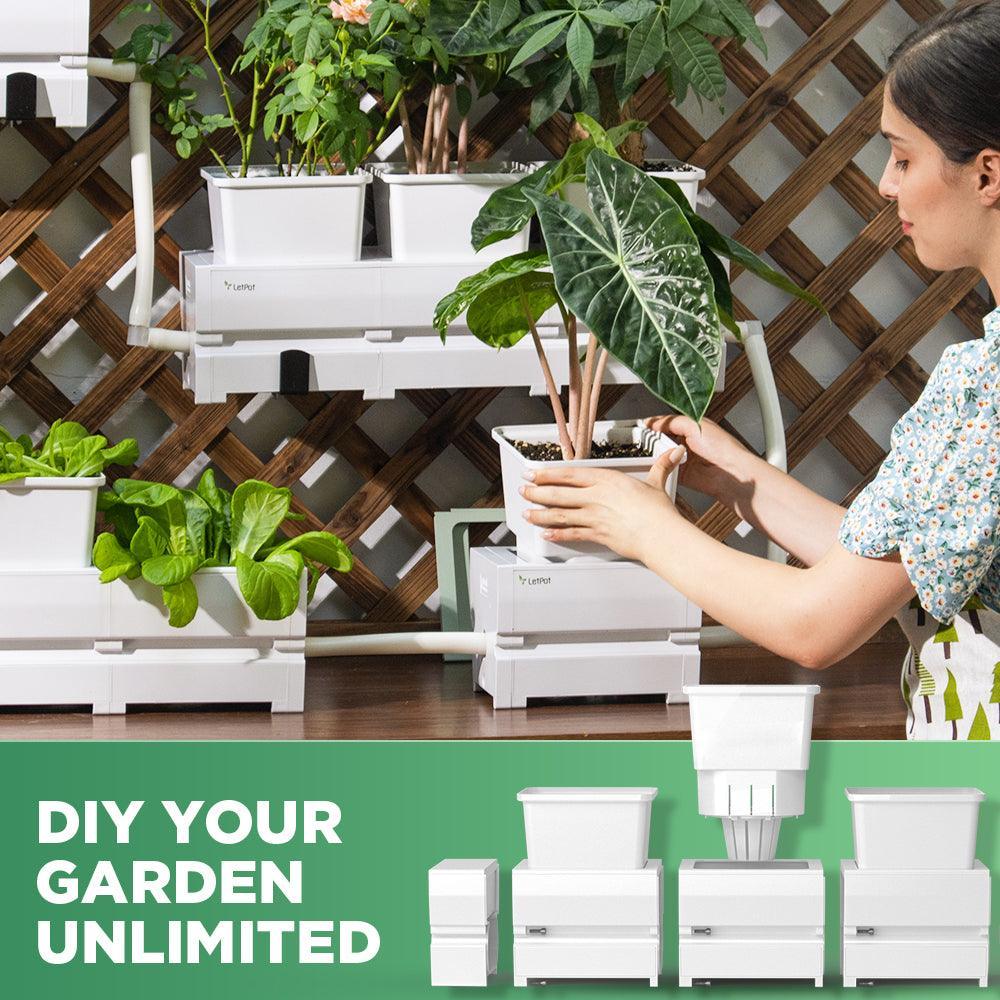
Vertical growing allows you to increase planting capacity without expanding the amount of countertop or floor space required. Indoor garden systems with adjustable light panels also make better use of vertical space as plants mature.
Place Gardens Near Natural Light
Although built-in grow lights provide consistent illumination, placing your indoor garden near a bright window can help create a more favorable growing environment. Natural daylight combined with supplemental lighting often produces healthier, more vigorous plants.
Choose Compact Plant Varieties
Not all plants are equally suited to small spaces. Compact varieties of herbs, leafy greens, cherry tomatoes, mini peppers, and dwarf vegetables are easier to manage and produce reliable harvests without overcrowding the growing area.
Plan Harvest Rotation
Instead of planting everything at the same time, stagger your planting schedule every one to two weeks. Harvesting mature plants while introducing new seedlings creates a continuous growing cycle, allowing you to enjoy fresh produce more consistently without increasing the size of your indoor garden.



Leave a comment
All comments are moderated before being published.
This site is protected by hCaptcha and the hCaptcha Privacy Policy and Terms of Service apply.