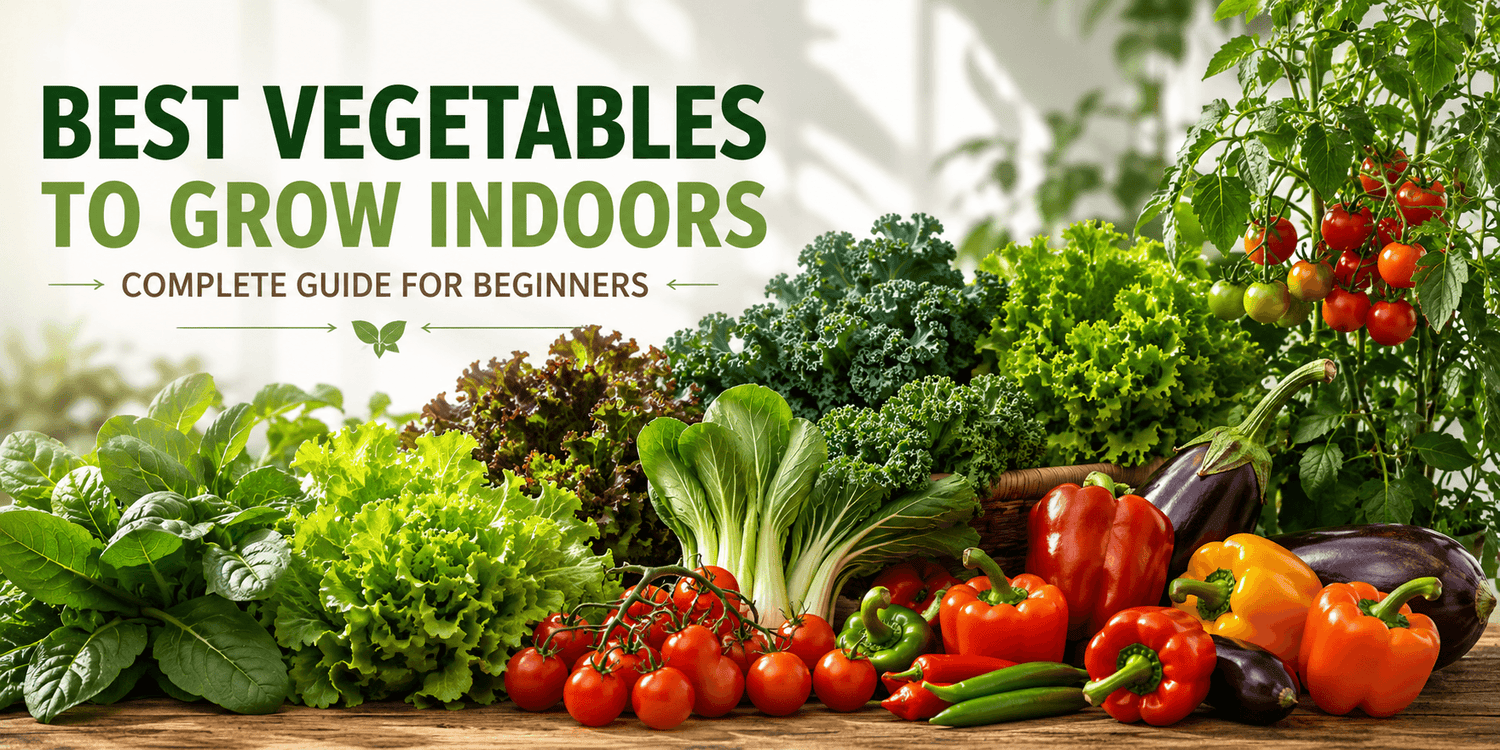
Growing vegetables indoors is becoming increasingly popular in US households, especially among apartment residents and urban families who want more control over their food supply. Unlike traditional outdoor gardening, indoor vegetable growing allows for year-round food production regardless of climate, weather conditions, or seasonal limitations.
This approach is highly space-efficient, making it suitable for small kitchens, countertops, and compact indoor growing setups. With the right combination of lighting, nutrients, and plant selection, even beginners can produce a steady supply of fresh vegetables at home without relying on outdoor garden space.
In this guide, you'll learn which vegetables grow best indoors, what growing conditions they require, and how to maximize harvests throughout the year. Whether you're building a small indoor vegetable garden or exploring hydroponic growing systems, this guide will help you grow food indoors more successfully.
Why Growing Vegetables Indoors Is Different from Herbs
Vegetables behave very differently from herbs when grown indoors, mainly because they require more energy, space, and environmental stability. While herbs can thrive in relatively simple setups, vegetables are more demanding in terms of lighting, nutrients, and root development.
Higher Light Requirements
Most vegetables, especially fruiting types like tomatoes and peppers, require significantly stronger and longer light exposure compared to herbs. Insufficient lighting is one of the primary reasons indoor vegetable growth fails or produces low yields.
Longer Growth Cycles
Unlike herbs that can be harvested within weeks, many vegetables require months to reach maturity. Fruiting crops such as peppers and eggplants also need additional time for flowering and fruit development, extending the overall growing cycle.
Nutrient Demands
Vegetables consume more nutrients than herbs due to their larger biomass and fruit production requirements. Stable nutrient delivery is essential to prevent deficiencies that can slow growth or reduce yield quality.
Space and Root Depth Requirements
Many vegetables develop deeper and more extensive root systems than herbs. This requires larger containers or dedicated indoor garden systems that can support long-term root expansion without restricting growth.
Best Leafy Vegetables for Indoor Gardens

Leafy vegetables are the most reliable category for indoor vegetable growing because they grow quickly, require moderate space, and respond well to consistent harvesting. Compared to fruiting vegetables, they also have lower light and nutrient demands, making them a strong starting point for indoor food production.
Lettuce
Growth Difficulty: Very Easy
Light Needs: Medium (4–6 hours daily or grow lights)
Time to Harvest: 25–40 days
Ideal Indoor Setup: Shallow containers or hydroponic systems with consistent moisture
Lettuce is one of the fastest and most productive indoor vegetables. Loose-leaf varieties are especially suitable because they allow repeated harvesting without replanting.
Spinach
Growth Difficulty: Easy
Light Needs: Medium to High
Time to Harvest: 30–45 days
Ideal Indoor Setup: Cool indoor environment with stable humidity and airflow
Spinach grows best under cooler conditions and produces nutrient-dense leaves. It performs particularly well in controlled indoor environments with stable lighting.
Kale
Growth Difficulty: Easy
Light Needs: High (6–8 hours daily)
Time to Harvest: 40–60 days
Ideal Indoor Setup: Larger containers with nutrient-rich medium for long-term leaf production
Kale is a long-yield crop that continues producing leaves over extended periods when harvested correctly, making it highly efficient for indoor vegetable systems.
Arugula
Growth Difficulty: Very Easy
Light Needs: Medium
Time to Harvest: 20–30 days
Ideal Indoor Setup: Fast-draining medium with frequent planting cycles for continuous harvest
Arugula is one of the fastest-growing indoor vegetables, making it ideal for quick harvest cycles and continuous planting strategies.
Swiss Chard
Growth Difficulty: Easy
Light Needs: Medium to High
Time to Harvest: 30–50 days
Ideal Indoor Setup: Deep containers with consistent nutrient supply for repeated leaf harvesting
Swiss chard is highly resilient and supports continuous harvesting over long periods, making it suitable for semi-automated indoor growing systems.
Best Fruiting Vegetables for Indoor Growing

Fruiting vegetables are the most demanding category in indoor gardening, but they also provide the highest reward in terms of yield and food production value. These crops require stronger lighting, longer growth cycles, and more stable nutrient delivery compared to leafy vegetables. However, when conditions are properly controlled, they can produce continuous harvests indoors.
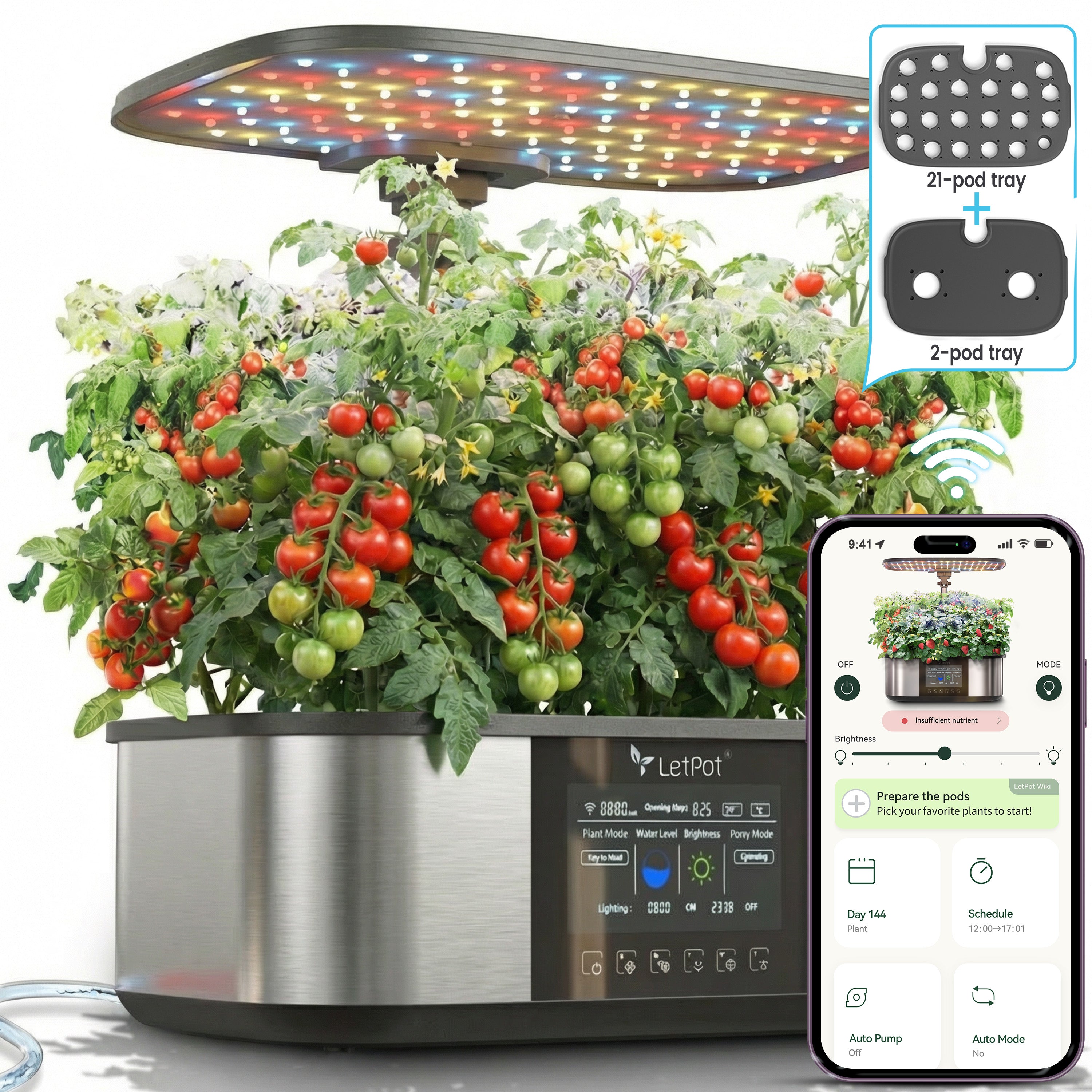
Cherry Tomatoes
Growth Difficulty: Moderate
Light Needs: High (10–14 hours daily)
Time to Harvest: 60–90 days
Ideal Indoor Setup: Strong LED grow lights with structural support for vertical growth
Cherry tomatoes are one of the most successful fruiting vegetables for indoor environments. They can produce continuous yields when pruned and supported correctly.
Mini Peppers
Growth Difficulty: Moderate
Light Needs: High
Time to Harvest: 70–100 days
Ideal Indoor Setup: Warm, stable environment with consistent lighting and nutrient supply
Mini peppers are well-suited for indoor cultivation due to their compact size and relatively stable fruiting behavior compared to full-size pepper varieties.
Chili Peppers
Growth Difficulty: Moderate
Light Needs: High
Time to Harvest: 70–120 days
Ideal Indoor Setup: Long daily light cycles with stable temperature conditions
Chili peppers thrive in warm indoor environments and can produce fruit over long periods once established, making them suitable for continuous indoor production.
Dwarf Eggplants
Growth Difficulty: Advanced
Light Needs: Very High
Time to Harvest: 80–120 days
Ideal Indoor Setup: Deep containers and high-intensity lighting for sustained fruit development
Dwarf eggplants require more advanced care but can produce high-quality fruit indoors when provided with sufficient space and lighting intensity.
Fastest Growing Vegetables for Indoor Harvest

Fast-growing vegetables are essential for indoor gardening beginners because they provide quick results, short feedback cycles, and continuous motivation. These crops are ideal for small indoor vegetable gardens where space and patience may be limited.
Green Onions
Growth Difficulty: Very Easy
Light Needs: Low to Medium
Time to Harvest: 20–30 days
Ideal Indoor Setup: Shallow containers or water-based regrowth systems with frequent trimming
Green onions are one of the most efficient indoor vegetables because they can regrow multiple times from the same base when harvested correctly.Radishes
Growth Difficulty: Easy
Light Needs: Medium
Time to Harvest: 25–35 days
Ideal Indoor Setup: Deep enough containers to support root bulb development with loose soil or hydroponic medium
Radishes grow quickly and provide visible results in a short time, making them a strong choice for beginner indoor growers.
Baby Carrots (Compact Varieties)
Growth Difficulty: Moderate
Light Needs: Medium to High
Time to Harvest: 50–70 days
Ideal Indoor Setup: Deep containers with loose, well-aerated soil or root-friendly hydroponic systems
Baby carrots require more space than leafy vegetables but can still be successfully grown indoors using compact varieties.
Microgreens
Growth Difficulty: Very Easy
Light Needs: Low to Medium
Time to Harvest: 7–14 days
Ideal Indoor Setup: Shallow trays with high-density planting and consistent moisture
Microgreens are the fastest indoor vegetable option, often ready for harvest within one to two weeks. They are highly efficient for nutrient-dense home food production.
Common Problems When Growing Vegetables Indoors
Indoor vegetable growing introduces several predictable challenges that differ from traditional outdoor gardening. Most failures are not caused by plant selection, but by environmental imbalance in light, space, and nutrients.
Insufficient Light Intensity
Vegetables require significantly higher light levels than herbs. When lighting is too weak, plants often show slow growth, poor flowering, and reduced yield quality, especially in fruiting crops like tomatoes and peppers.
Overcrowding Root Systems
Many beginners underestimate how much root space vegetables need. When multiple plants share limited space, competition for nutrients and water increases, leading to uneven growth and reduced productivity.
Slow Fruiting or Flowering Issues
Fruiting vegetables may grow leaves successfully but fail to flower or set fruit indoors. This is often caused by insufficient light duration, unstable temperatures, or inconsistent nutrient supply.
Nutrient Imbalance
Vegetables consume nutrients at a much higher rate than herbs. Both underfeeding and overfeeding can negatively impact growth, resulting in weak plants, leaf discoloration, or reduced harvest output.
How to Optimize Indoor Vegetable Growth
Optimizing indoor vegetable growth requires consistent control over light, water, nutrients, and spatial management. Unlike herbs, vegetables are less tolerant of fluctuations, so stability is the key factor for long-term success.
Best Light Duration and Intensity
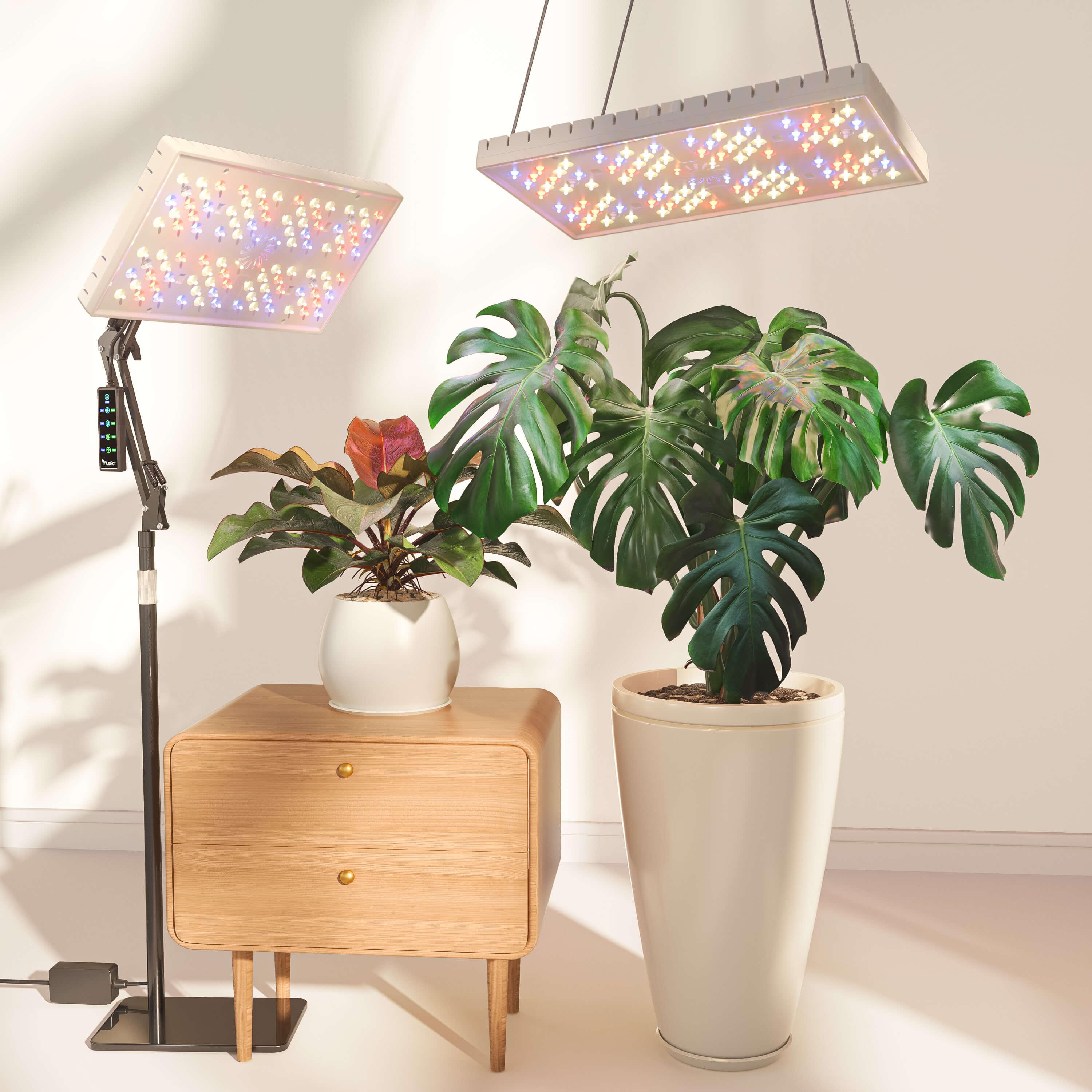
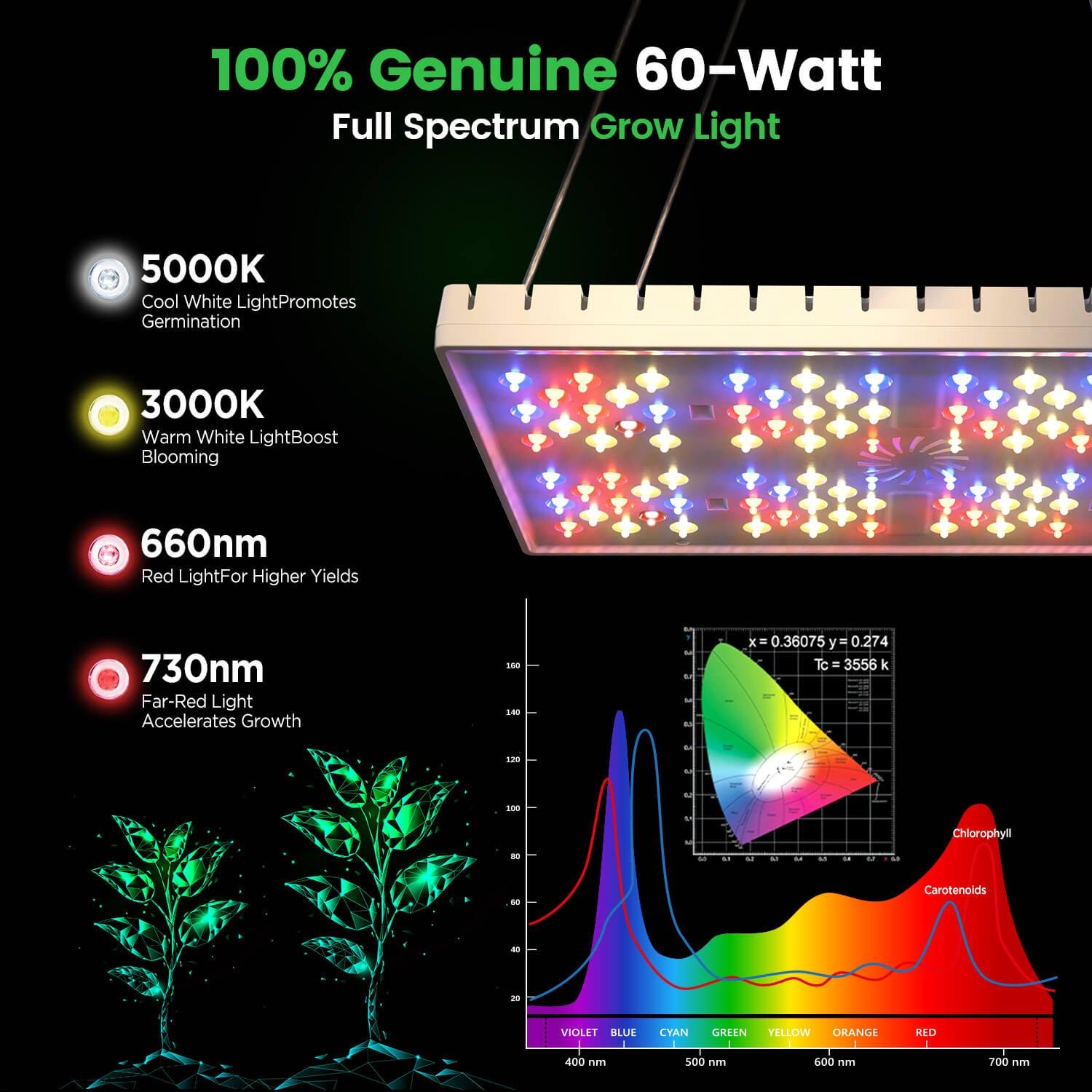
Vegetables require strong and consistent lighting to support both vegetative growth and fruit production. Maintaining stable daily light exposure is more effective than irregular high-intensity bursts. The University of Minnesota Extension explains how supplemental lighting improves indoor plant growth and provides practical recommendations for light duration and placement.
Watering and Nutrient Balance Basics
Indoor vegetables perform best under steady hydration and balanced nutrient delivery. Overwatering or inconsistent feeding can quickly affect root health and slow overall development.
Container Depth and Root Management
Different vegetables require different root depths. Leafy vegetables can thrive in shallow containers, while fruiting crops need deeper root zones to support long-term growth and stability.
Harvesting Techniques for Continuous Yield
Proper harvesting methods help extend productivity cycles. Leafy vegetables benefit from selective harvesting, while fruiting crops require careful pruning and support to maintain ongoing production.
Best Vegetables for Smart Indoor Garden Systems
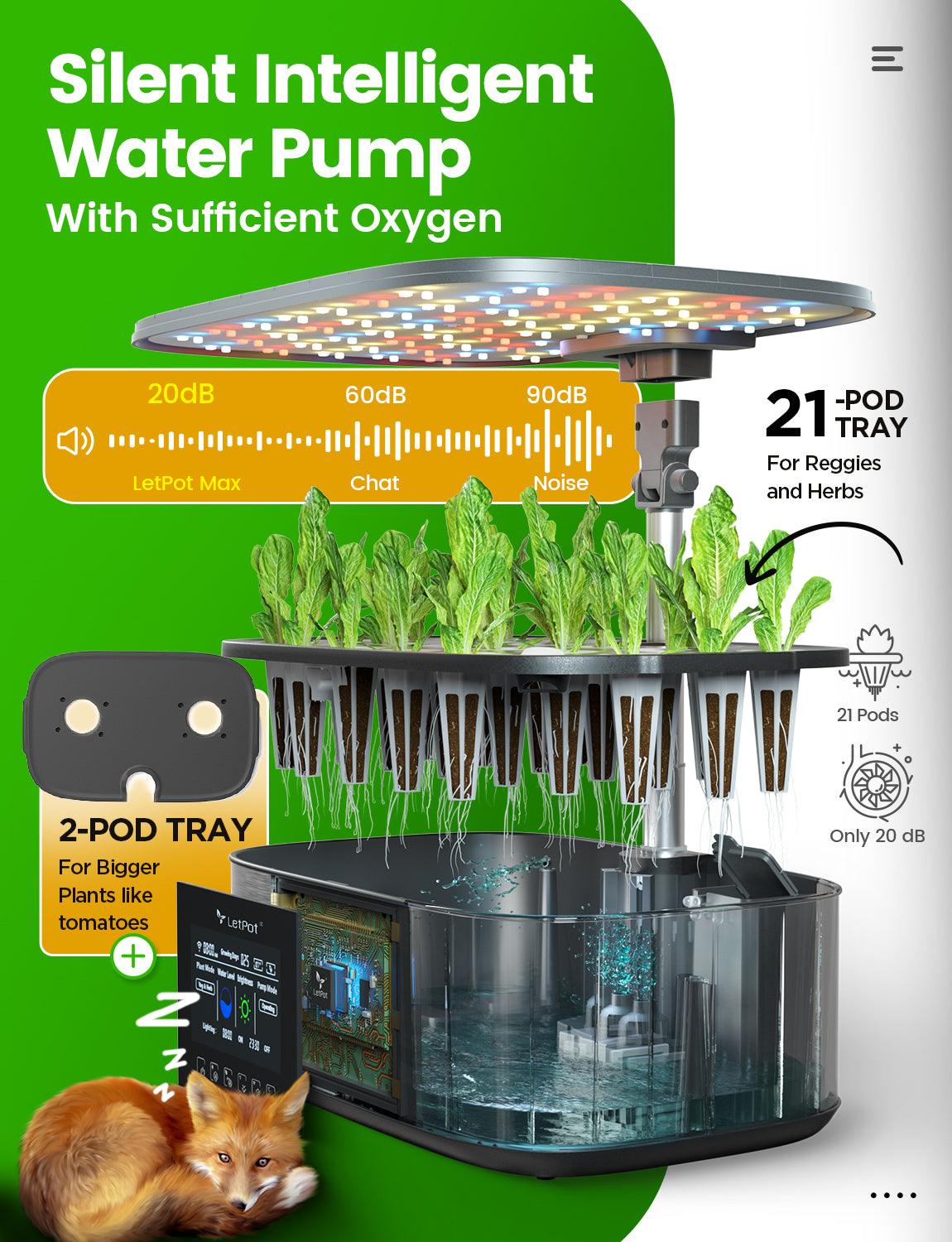
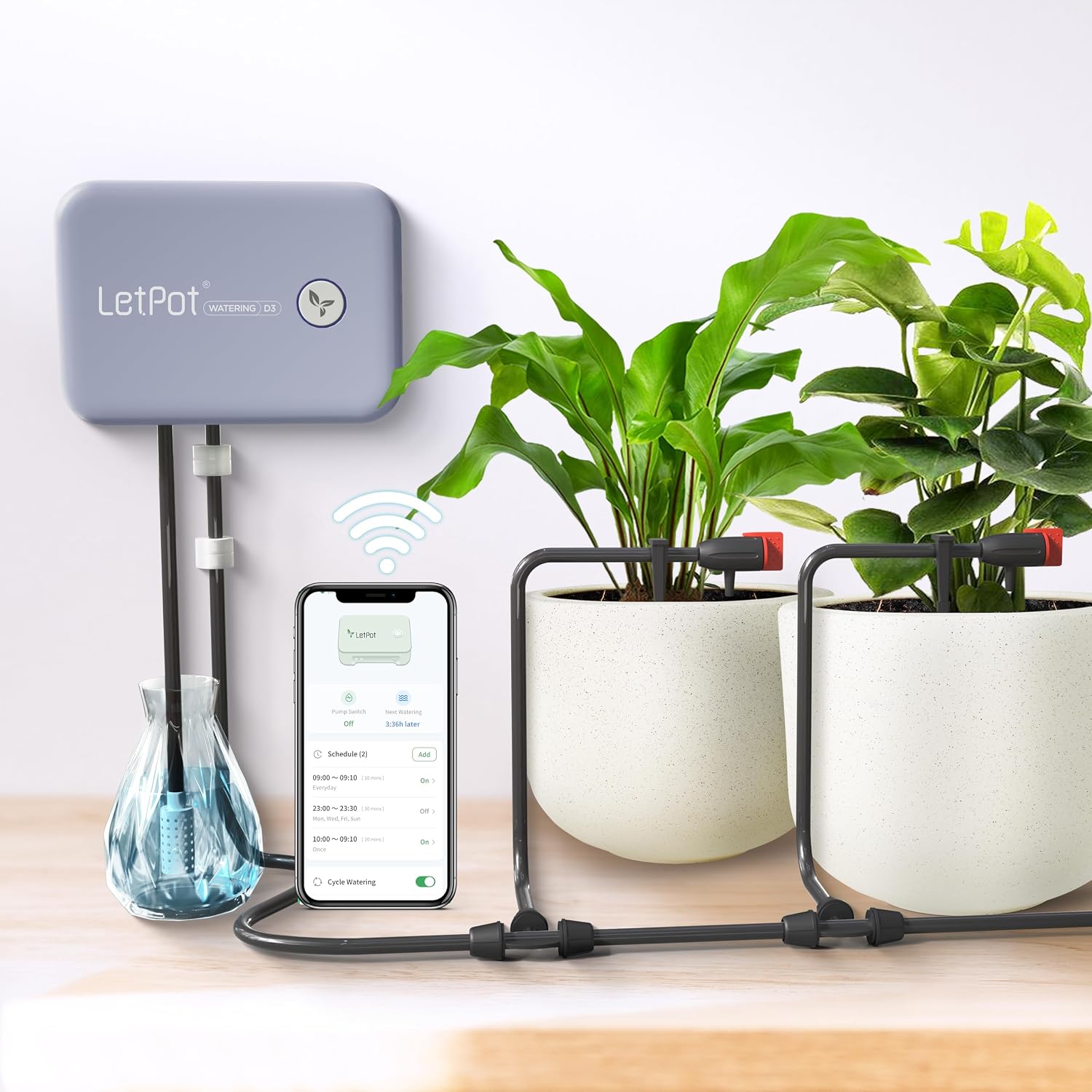
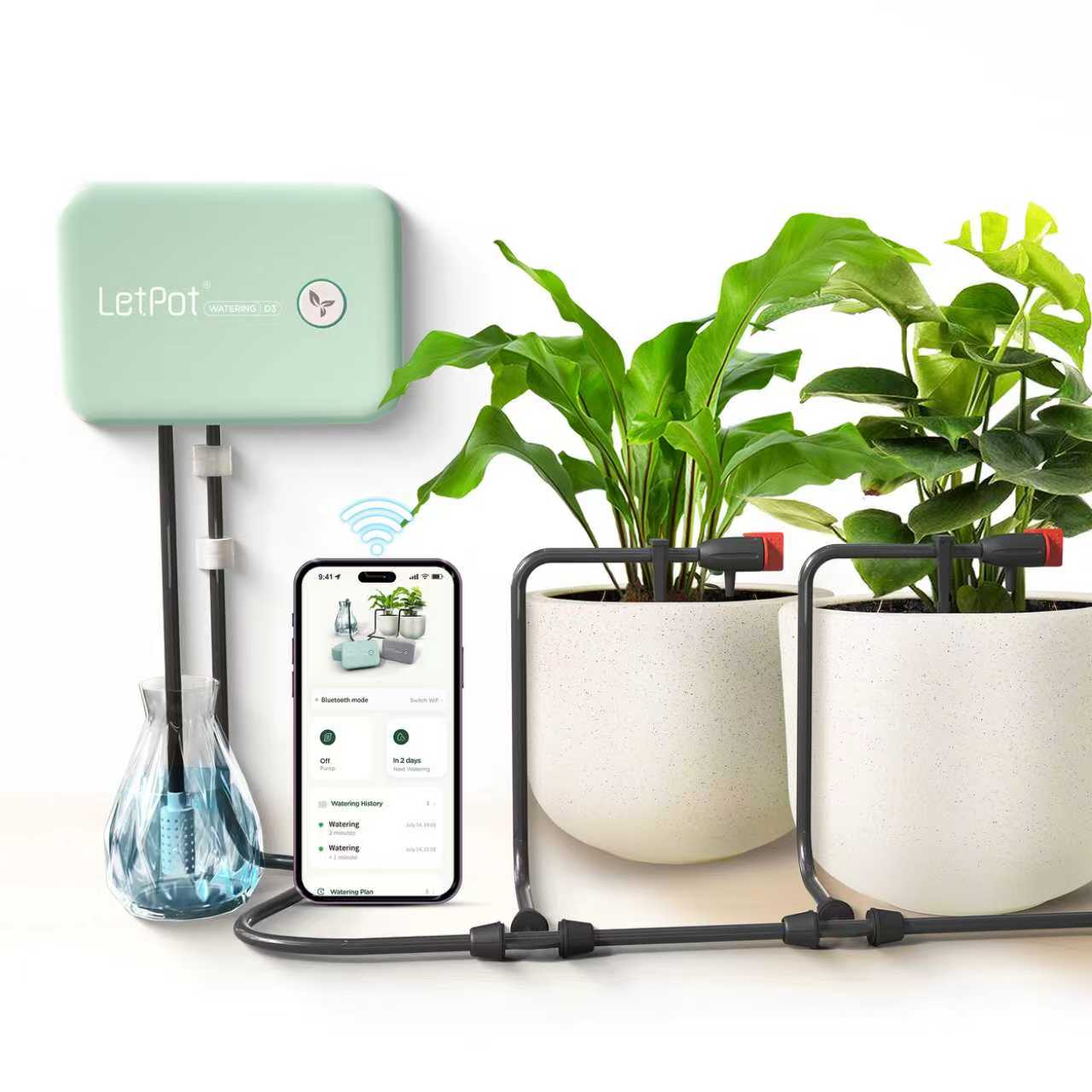
Smart indoor garden systems significantly improve vegetable growing success by stabilizing key variables such as water delivery, nutrient balance, and lighting consistency. Compared to traditional container growing, these systems reduce environmental fluctuations and improve overall yield reliability.
Vegetables That Grow Well in Automated Systems
Some vegetables are especially well-suited for automated indoor environments due to their stable growth patterns and predictable nutrient needs:
- Lettuce
- Spinach
- Green Onions
- Arugula
These crops respond well to consistent water and light cycles, making them highly efficient for continuous production systems.
Best Choices for Hydroponic Indoor Gardens
Hydroponic environments provide direct nutrient access to plant roots, which benefits fast-growing and high-demand vegetables:
- Lettuce
- Kale
- Cherry Tomatoes
- Mini Peppers
These vegetables tend to grow faster and produce higher yields when nutrients are delivered in a controlled liquid system.
High-Yield Vegetables for Year-Round Production
For users focused on continuous food production, the following vegetables offer stable year-round output under controlled indoor conditions:
- Cherry Tomatoes
- Lettuce
- Spinach
- Green Onions
These crops combine fast regeneration with repeatable harvest cycles, making them ideal for indoor food production systems.
Frequently Asked Questions
Can vegetables grow indoors all year round?
Yes. Vegetables can be grown indoors year-round when provided with stable lighting, temperature, and nutrient conditions. Unlike outdoor gardening, indoor environments are not affected by seasonal changes, allowing continuous production.
What vegetables grow fastest indoors?
Fast-growing indoor vegetables include:
- Microgreens
- Green onions
- Radishes
- Lettuce
- Arugula
These crops can often be harvested within days or weeks rather than months.
Do indoor vegetables need grow lights?
In most cases, yes. While some leafy vegetables can grow near bright windows, grow lights significantly improve growth speed, yield, and consistency—especially for fruiting vegetables like tomatoes and peppers.
How long does it take to grow vegetables indoors?
Growth time depends on the type of vegetable:
- Microgreens: 7–14 days
- Leafy greens: 25–60 days
- Fruiting vegetables: 60–120+ days
Lighting and nutrient stability directly affect these timelines.
Can you grow vegetables indoors without soil?
Yes. Vegetables can be grown using hydroponic systems, which replace soil with nutrient-rich water solutions. This method often results in faster growth and more controlled nutrient delivery.



Leave a comment
All comments are moderated before being published.
This site is protected by hCaptcha and the hCaptcha Privacy Policy and Terms of Service apply.