

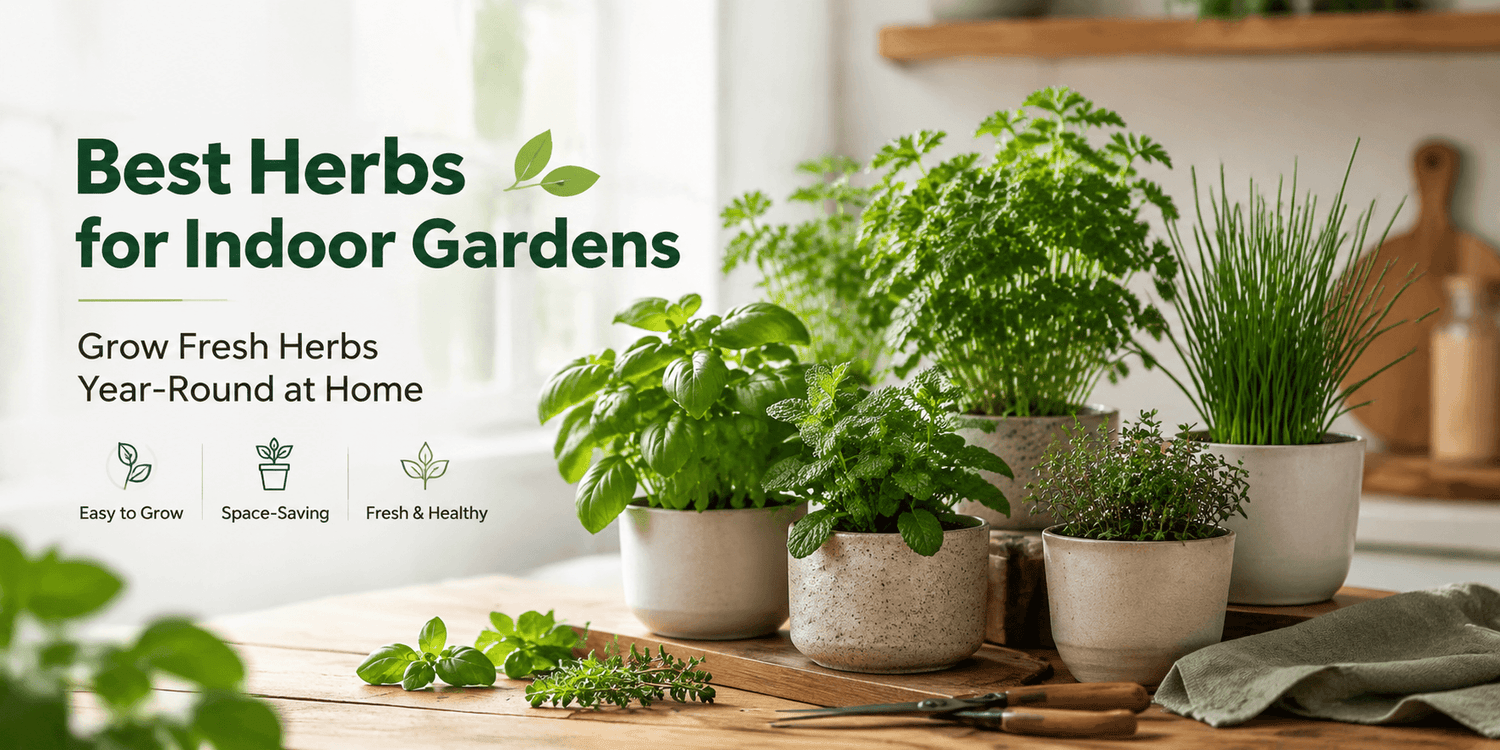
Growing herbs indoors is one of the most efficient and practical ways to maintain a steady supply of fresh ingredients throughout the year. Unlike many vegetables or fruiting crops, herbs adapt extremely well to compact indoor environments, making them ideal for kitchens, countertops, and indoor garden systems.
Most herbs grow quickly, respond well to frequent harvesting, and require relatively simple care routines. For beginners, this makes them one of the most reliable starting points in indoor gardening. With the right setup, herbs can be harvested continuously, providing both culinary value and a consistent growing experience without long waiting cycles.
This guide focuses specifically on the best herbs for indoor gardens, how to grow them successfully, and what conditions are required to maintain stable, year-round production.
Why Herbs Are Ideal for Indoor Gardening

Herbs consistently perform better than most other plant categories in indoor environments due to their compact growth patterns, fast regeneration ability, and relatively low dependency on large-scale environmental conditions.
Fast Growth Cycle
Most indoor herbs have short growth cycles and can be harvested within a few weeks after planting. This rapid turnaround allows users to see visible progress quickly, which is especially important for beginner gardeners.
Compact Space Requirements
Herbs naturally grow in smaller structures compared to vegetables or fruiting plants. They do not require deep root systems or large containers, making them highly suitable for limited indoor spaces such as kitchen counters, shelves, or integrated indoor garden systems.
High Success Rate for Beginners
Herbs are generally more tolerant of minor care inconsistencies, including slight variations in watering or light exposure. This resilience results in a higher success rate for first-time indoor gardeners, making herbs a stable entry category for building long-term gardening confidence.
Easiest Herbs to Grow Indoors
Basil
Growth Difficulty: Easy
Light Requirement: High (6–8 hours daily)
Harvest Cycle: 3–5 weeks
Best Indoor Setup: Warm, stable environment with consistent light exposure and regular pruning
Basil is one of the most productive indoor herbs, known for its fast leaf production and strong response to frequent harvesting. When trimmed correctly, it continuously produces new shoots, making it highly efficient for indoor kitchens.
Mint
Growth Difficulty: Very Easy
Light Requirement: Medium (4–6 hours daily)
Harvest Cycle: 2–4 weeks
Best Indoor Setup: Moist growing medium with controlled container growth to prevent over-expansion
Mint grows aggressively and recovers quickly after harvesting. It is one of the most resilient herbs for indoor environments and requires minimal intervention once established.
Parsley
Growth Difficulty: Easy
Light Requirement: Medium to High
Harvest Cycle: 4–6 weeks
Best Indoor Setup: Deep container with stable moisture levels and moderate airflow
Parsley grows at a steady pace and benefits from consistent outer-stem harvesting, which supports continuous regrowth over time.
Cilantro
Growth Difficulty: Moderate
Light Requirement: High
Harvest Cycle: 3–5 weeks
Best Indoor Setup: Cooler indoor temperatures with frequent replanting cycles for continuous supply
Cilantro grows quickly but is sensitive to heat stress. Maintaining stable conditions is key to preventing early bolting.
Chives
Growth Difficulty: Very Easy
Light Requirement: Medium
Harvest Cycle: 2–3 weeks
Best Indoor Setup: Compact containers with frequent trimming to encourage regrowth
Chives are highly reliable for indoor gardening and support repeated harvest cycles without significant decline in plant health.
Thyme
Growth Difficulty: Easy
Light Requirement: High
Harvest Cycle: 4–8 weeks
Best Indoor Setup: Well-draining medium with lower watering frequency to avoid root stress
Thyme grows more slowly than other herbs but offers long-term stability once established, making it suitable for sustained indoor use.
Herbs That Grow Best in Smart Indoor Garden Systems

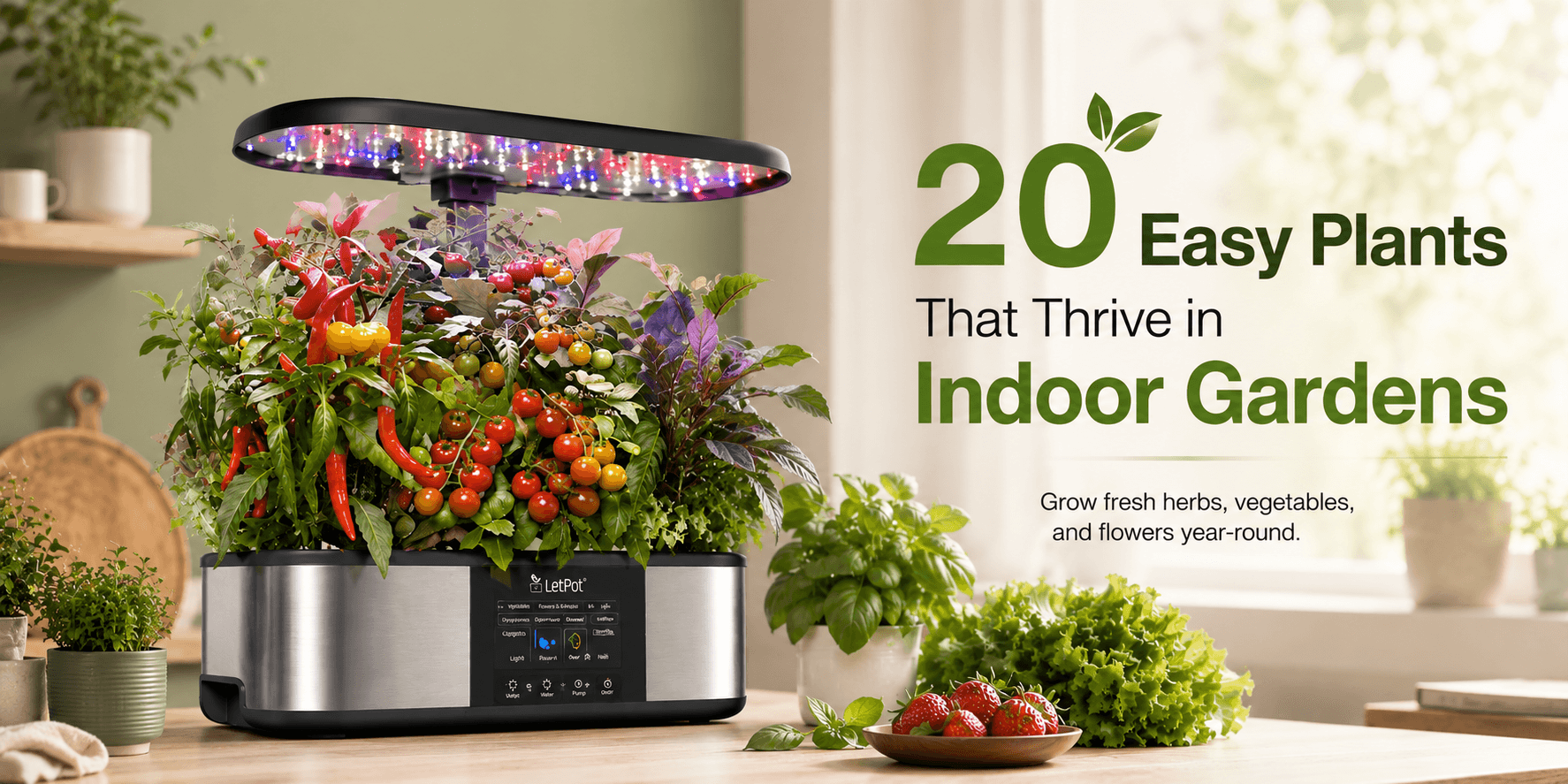
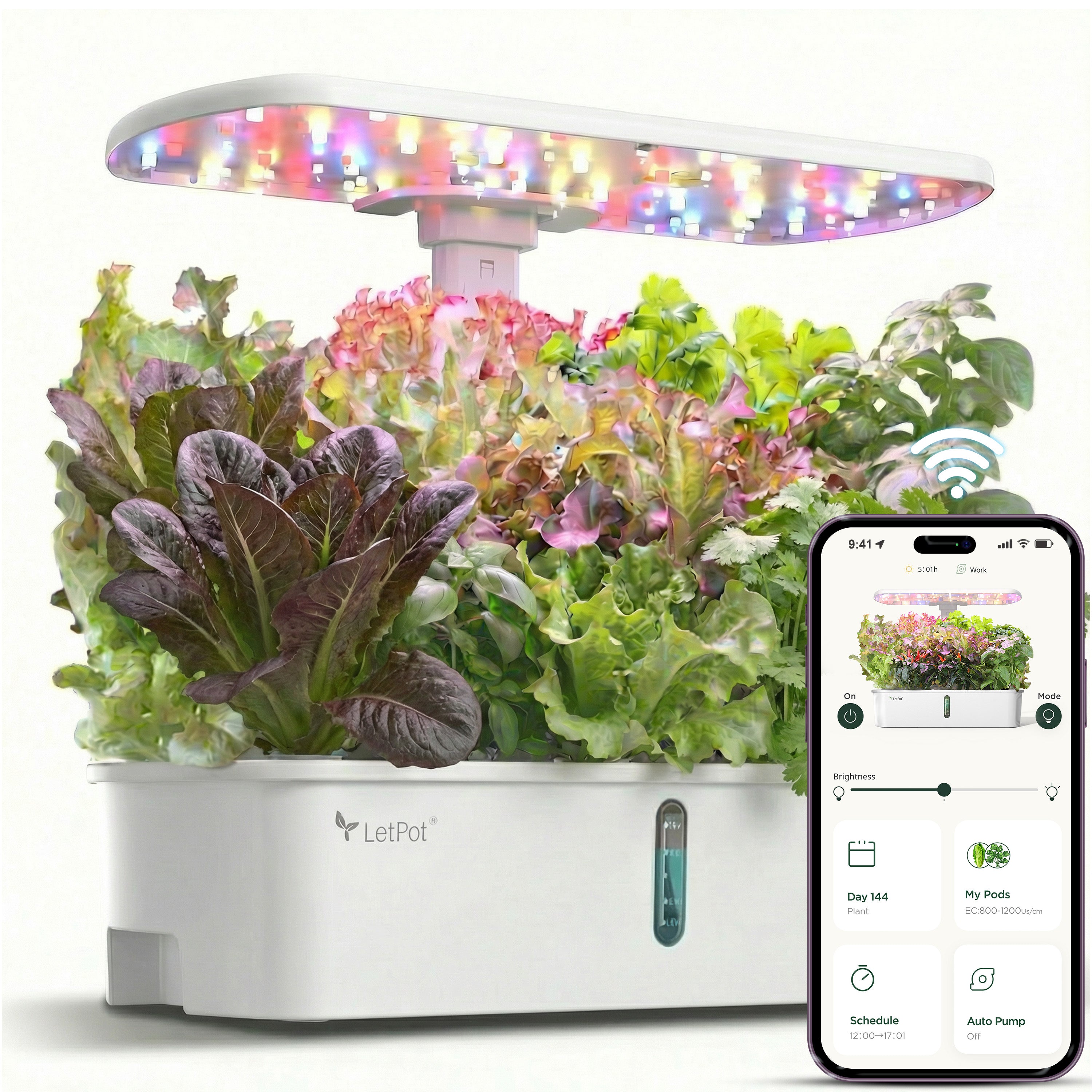
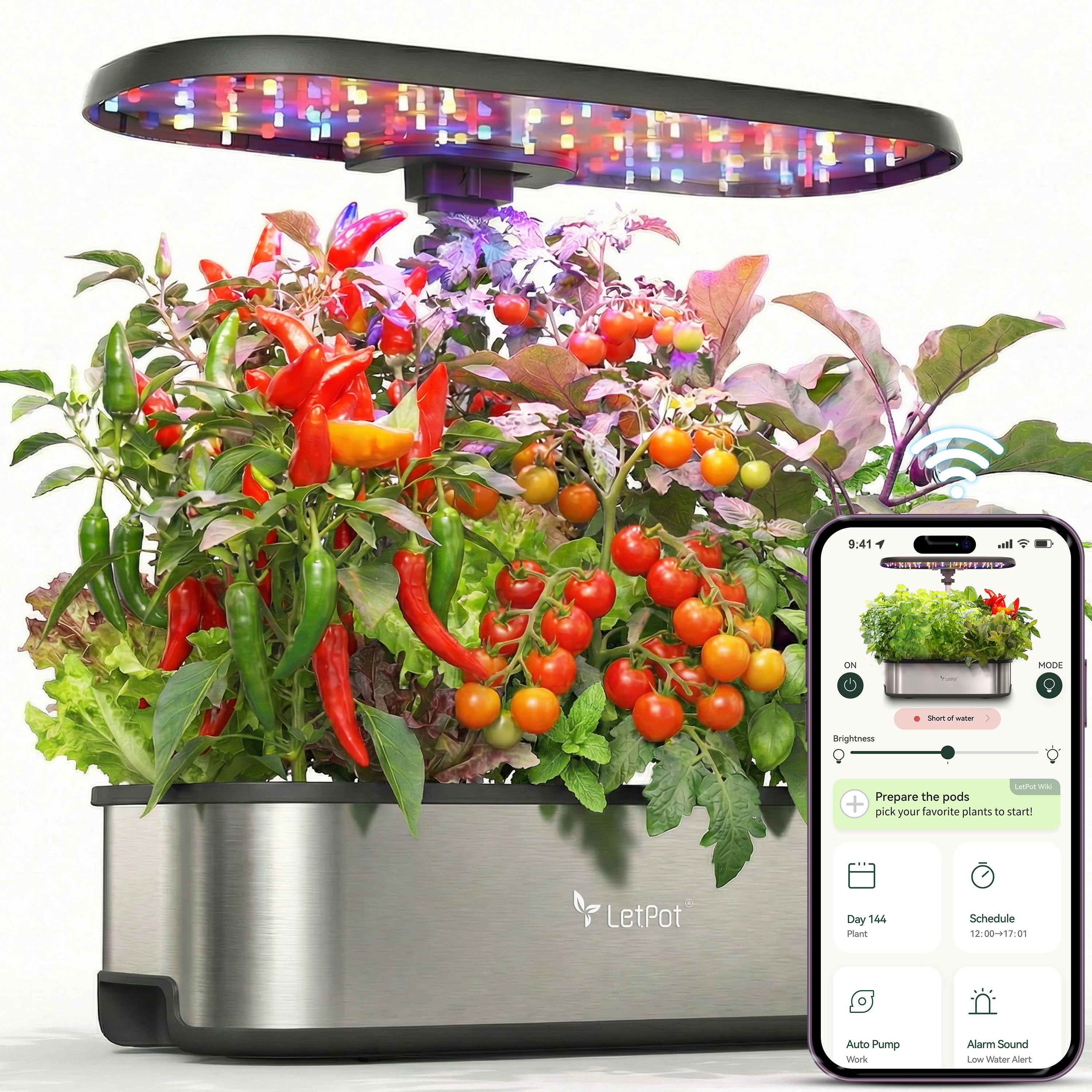
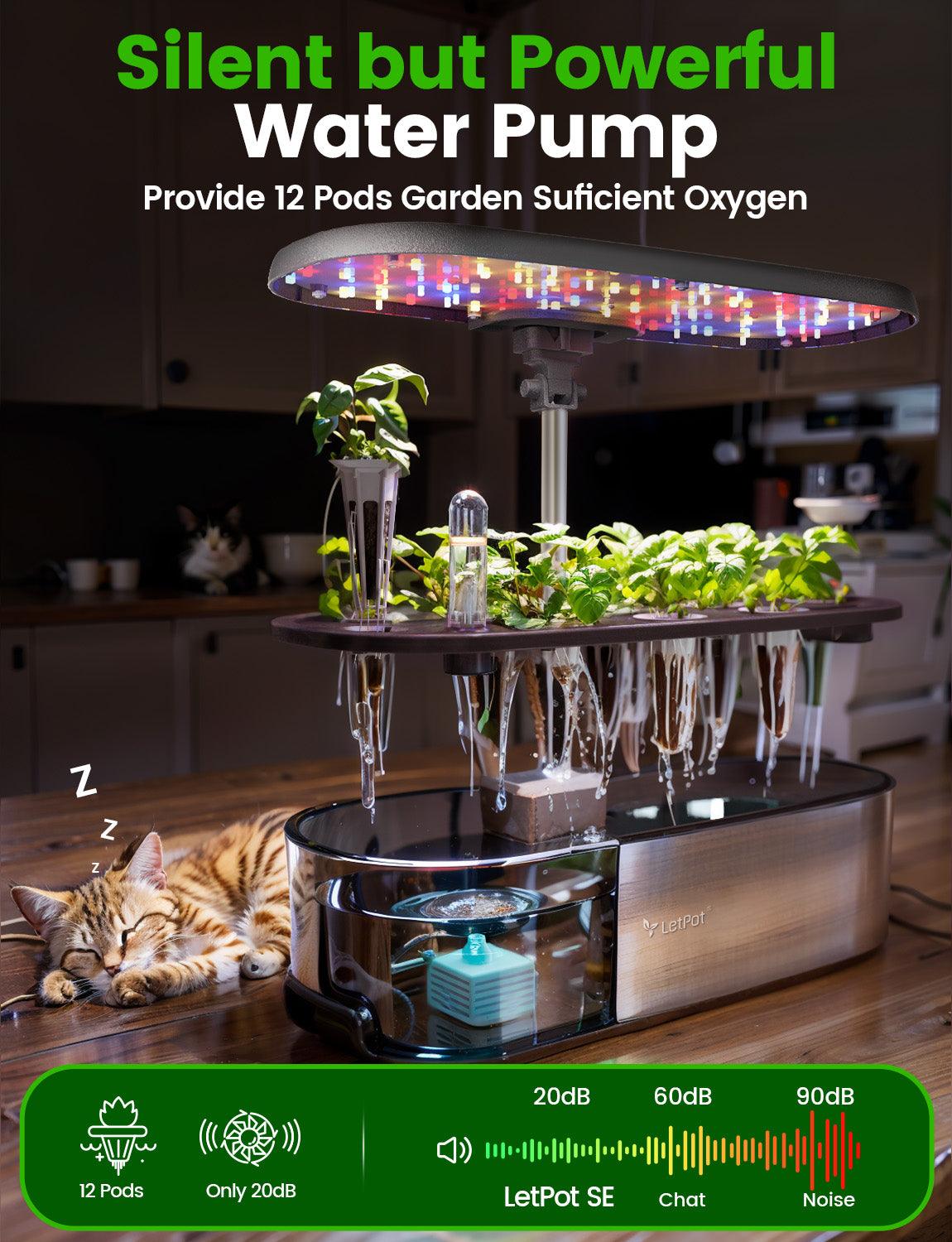
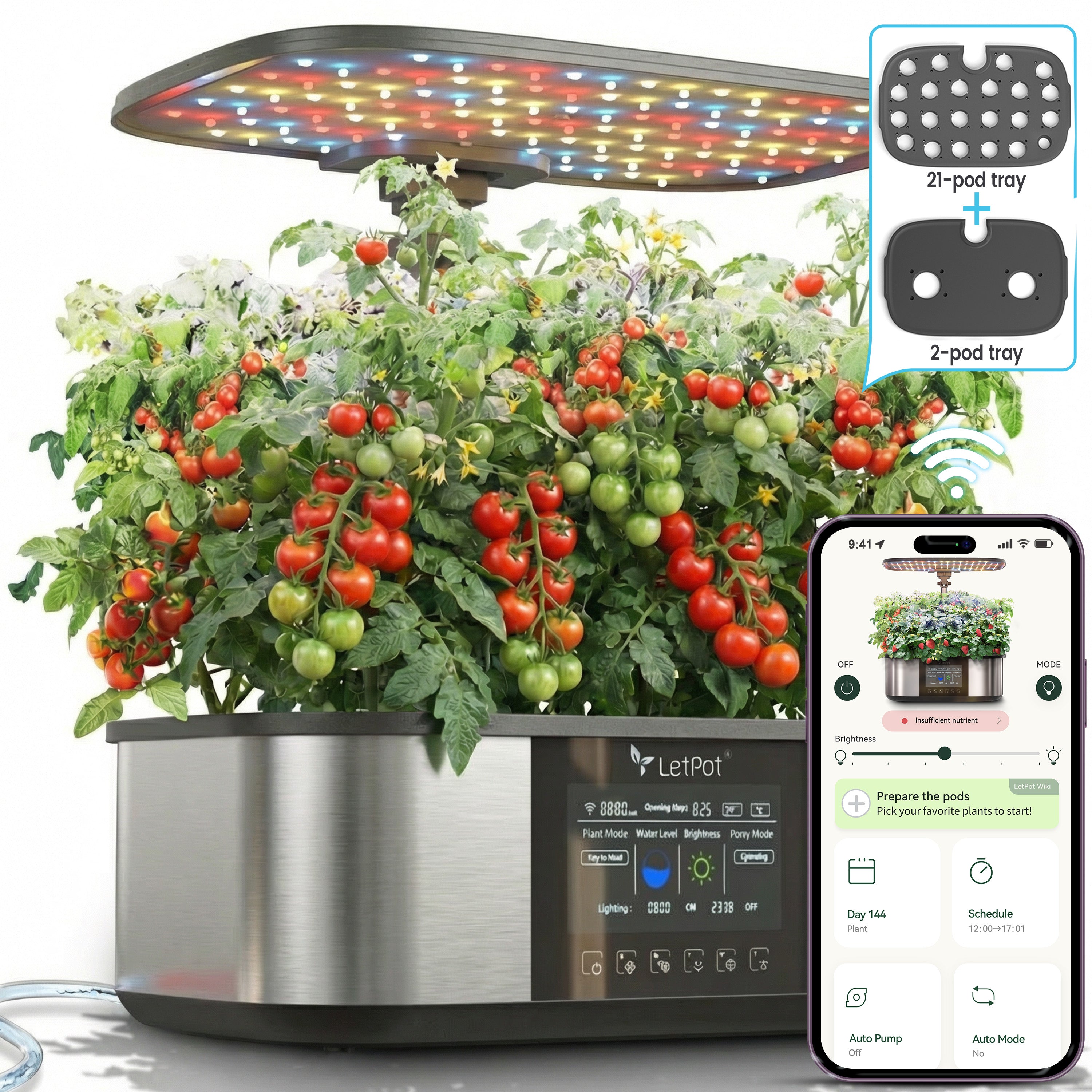
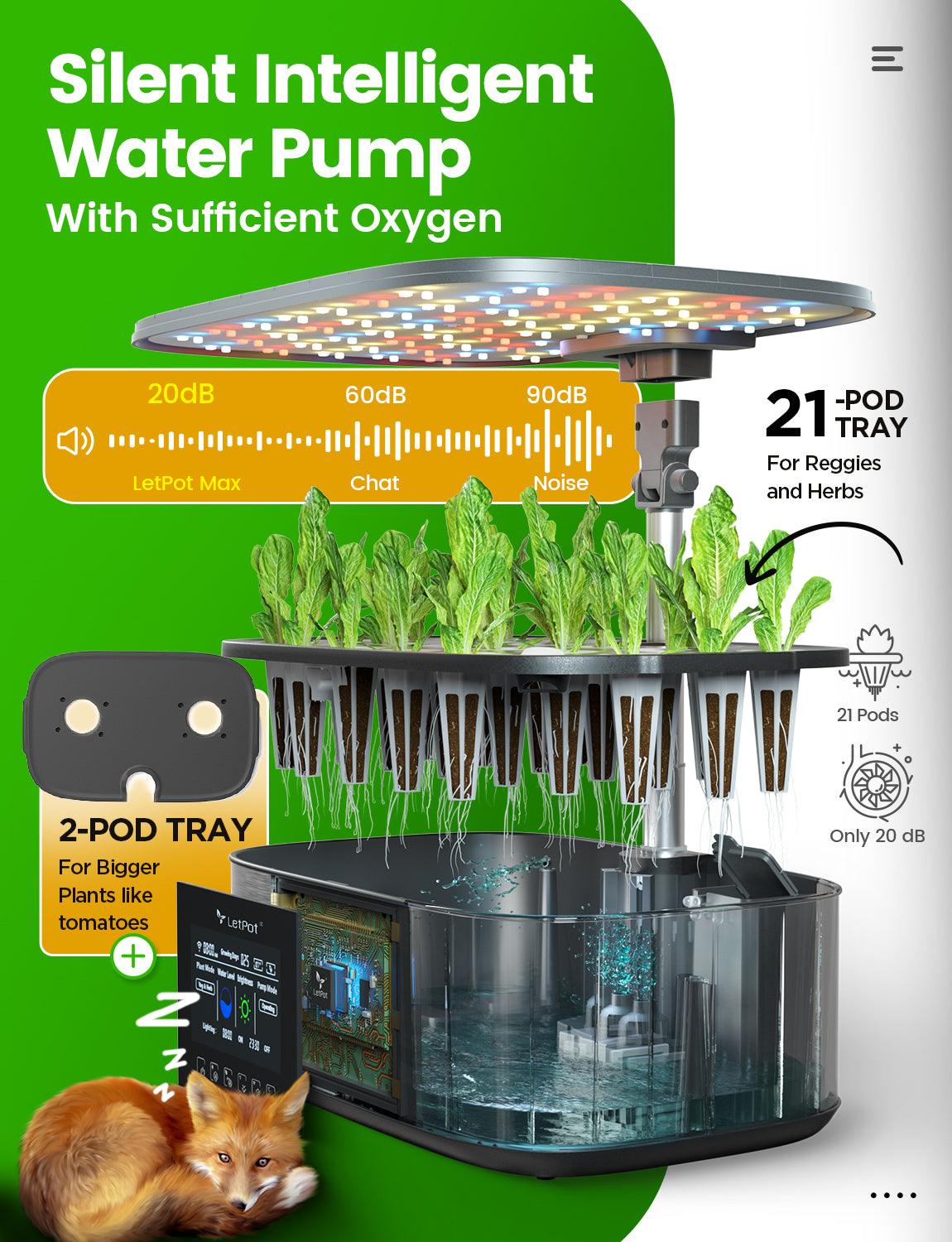
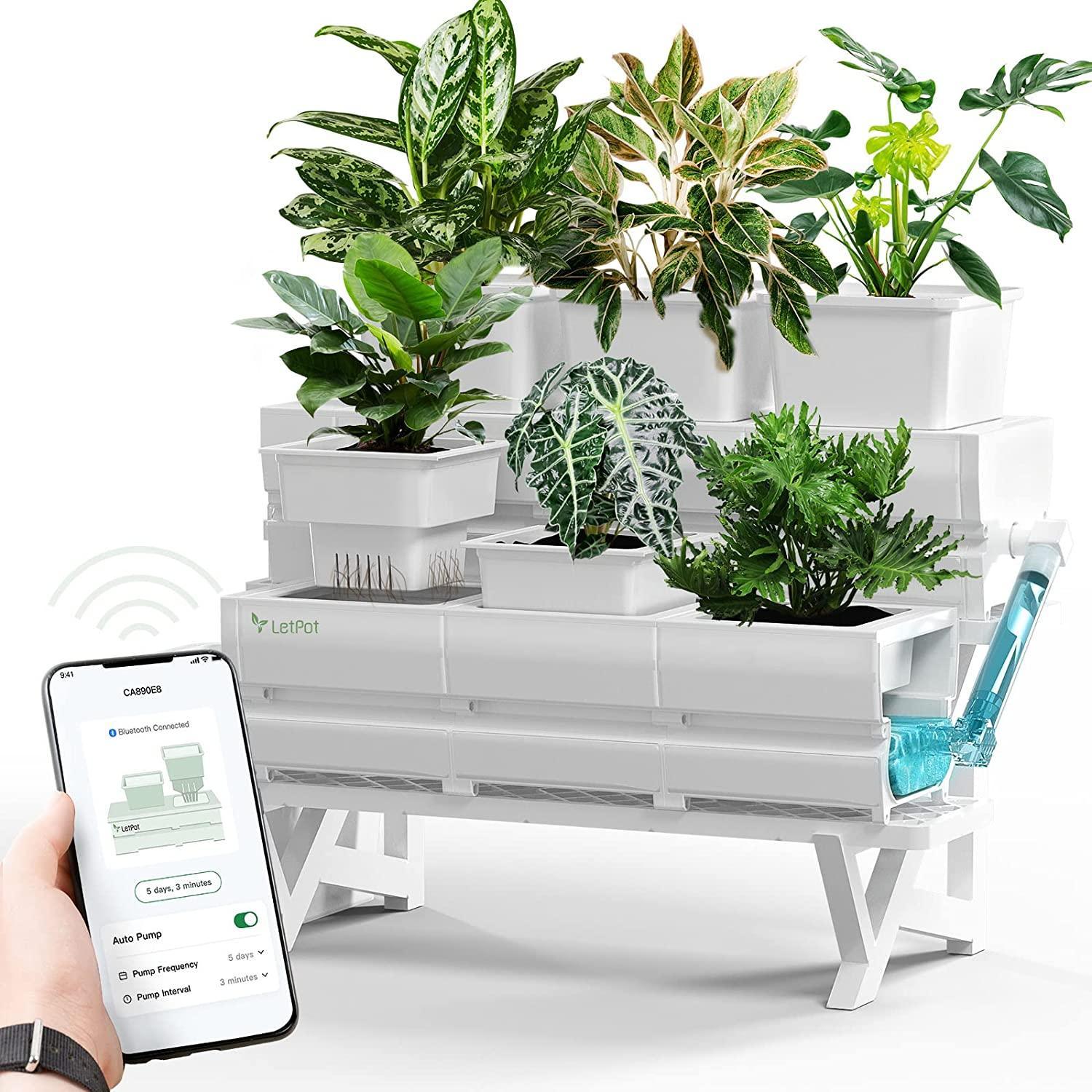
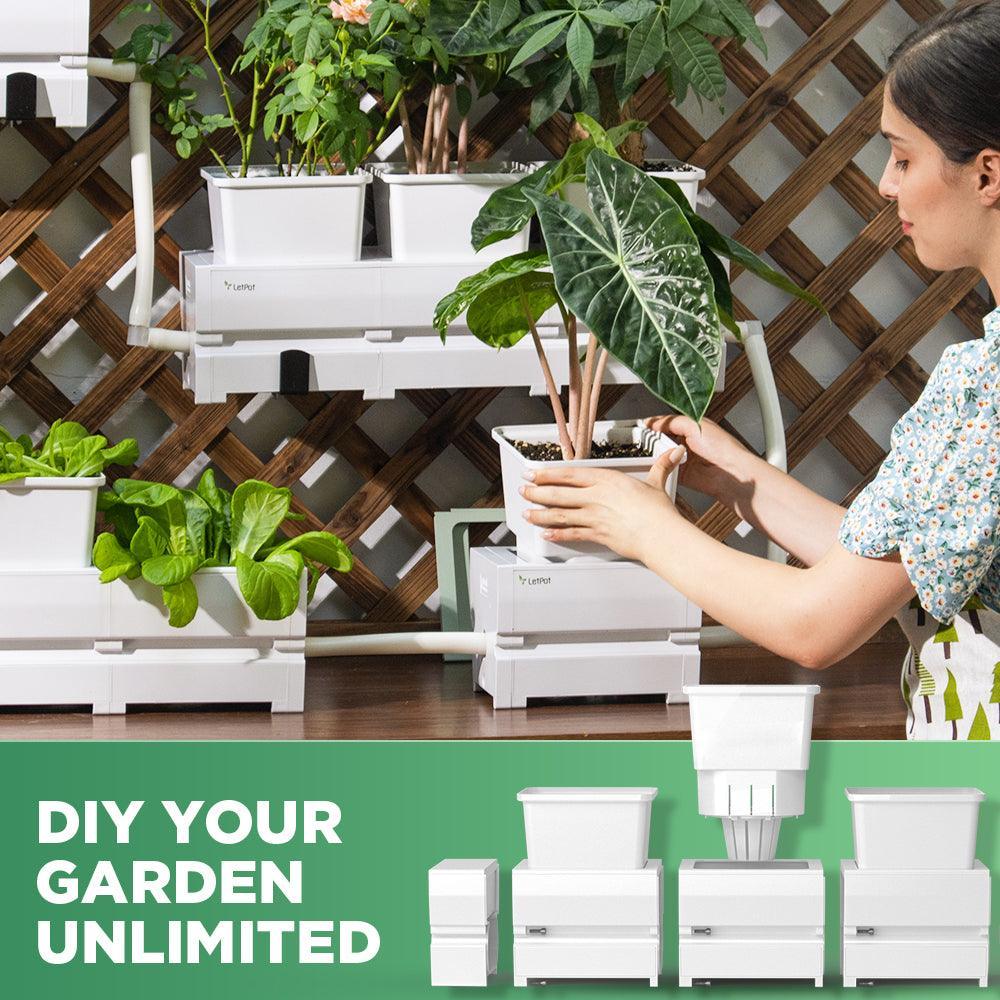
Indoor garden systems provide a highly controlled environment that significantly improves herb growth consistency by stabilizing water delivery, nutrient availability, and lighting cycles. Compared to traditional pot-based growing, these systems reduce variability and increase overall harvest reliability.
High-Yield Herbs in Controlled Environments
Some herbs respond particularly well to automated indoor systems due to their fast regrowth patterns and continuous harvesting ability:
- Basil
- Mint
- Chives
These herbs benefit most from stable hydration and consistent nutrient delivery, often producing higher yields than in conventional soil setups.
Herbs That Respond Well to LED Grow Lights
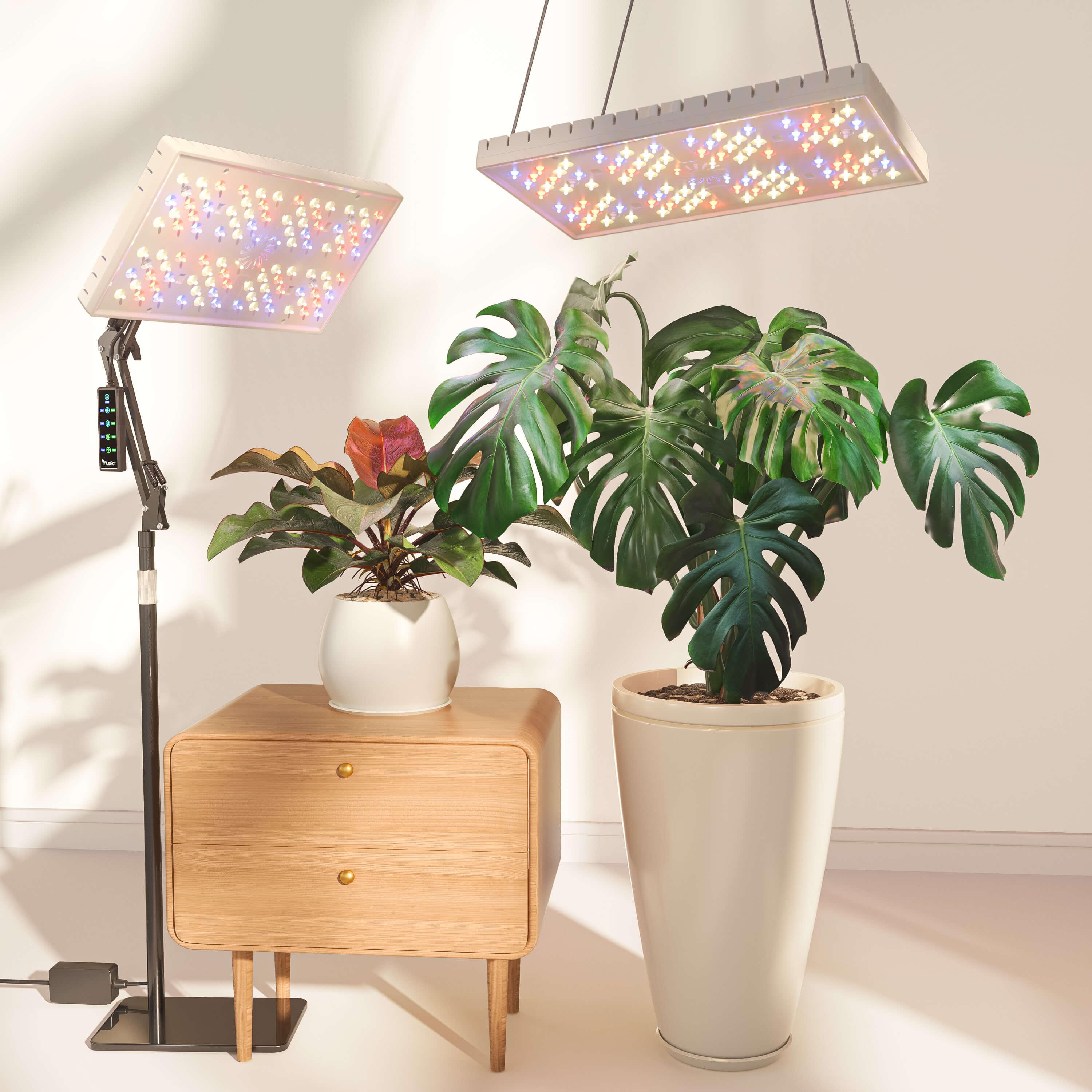
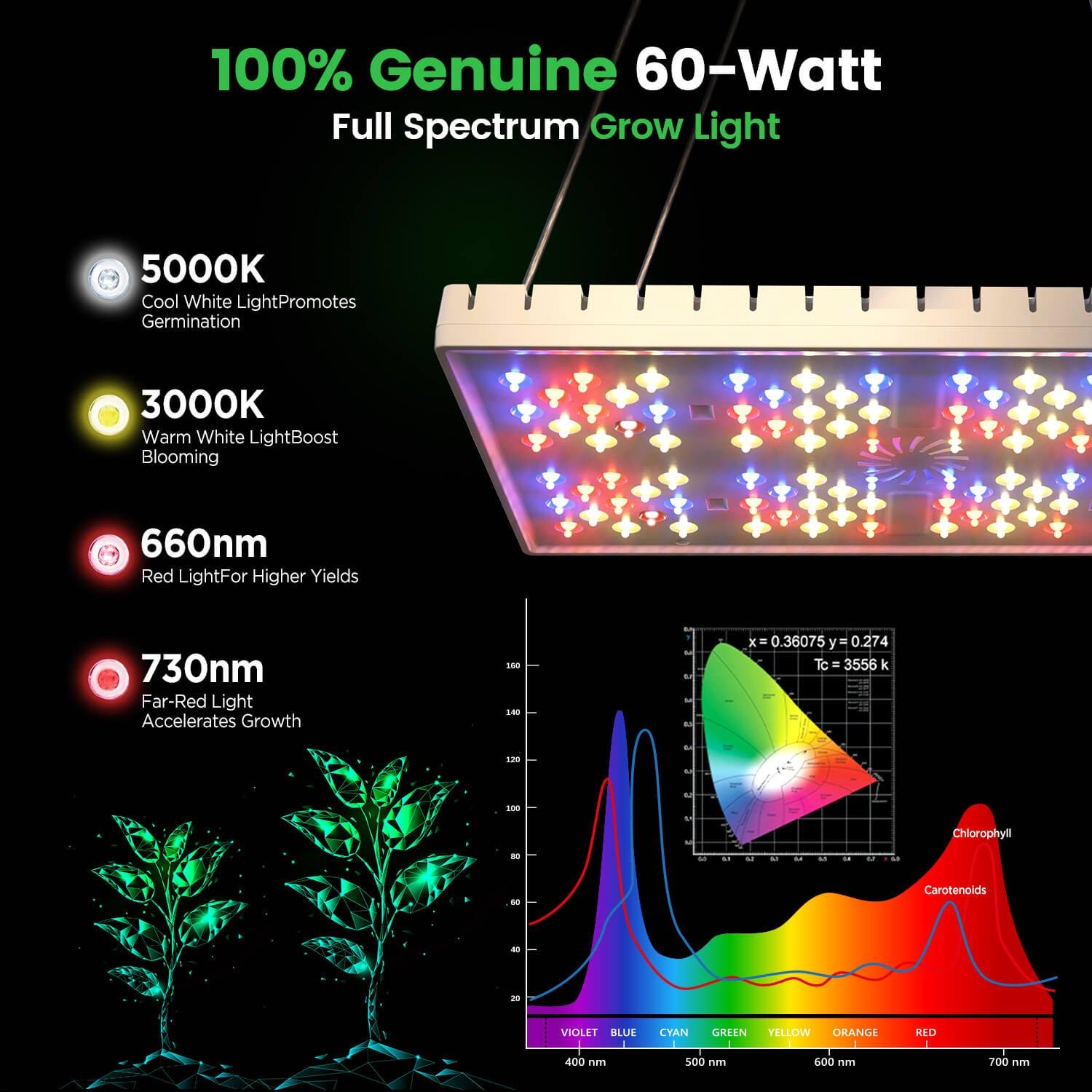
Consistent full-spectrum lighting supports dense leaf production and improves flavor development in several key herbs:
- Basil
- Parsley
- Cilantro
These varieties rely heavily on stable light exposure to maintain compact growth and avoid stretching or weak stems.
Herbs Suitable for Continuous Harvesting Systems
Certain herbs are naturally suited for “cut-and-come-again” harvesting, making them ideal for indoor automation:
- Basil
- Mint
- Parsley
- Chives
These plants can be harvested repeatedly without replanting, which aligns well with the continuous production cycle of indoor garden systems.
Common Problems When Growing Herbs Indoors
Even though herbs are generally easy to grow, indoor environments introduce several predictable challenges that can affect growth speed, yield, and plant health. Most issues are not caused by plant selection, but by inconsistent environmental control.
Overwatering Issues
Overwatering is one of the most common mistakes in indoor herb gardening. Because indoor containers have limited drainage and evaporation, excess water can accumulate around roots, reducing oxygen availability and slowing plant growth.
Insufficient Light Exposure
Herbs require consistent light to maintain compact growth and strong leaf production. When light levels are too low, plants often become leggy, weak, and less flavorful over time.
Slow Regrowth After Harvest
Incorrect harvesting methods—such as cutting too much of the plant at once—can delay regrowth. Herbs rely on remaining leaf structures to continue photosynthesis and recover efficiently.
Herb Overcrowding in Small Systems
Planting too many herbs in a limited space reduces airflow and increases competition for nutrients and light. This often results in uneven growth and reduced overall productivity in indoor systems.
How to Maximize Herb Growth Indoors

Maximizing herb growth indoors is less about complexity and more about maintaining stable, repeatable conditions. Herbs respond strongly to consistency in light, watering, and harvesting patterns, which directly affects yield and flavor quality.
Ideal Light Cycles
Most indoor herbs perform best under a consistent daily light cycle rather than fluctuating exposure. Stable lighting helps maintain compact growth, supports photosynthesis efficiency, and prevents weak or stretched stems.
Best Harvesting Techniques (Cut-and-Come-Again Method)
The most effective harvesting method for indoor herbs is selective cutting. Removing outer leaves or upper stems while preserving the core growth point allows the plant to regenerate quickly and maintain continuous production.
Watering Frequency Basics
Indoor herbs generally prefer steady moisture levels rather than large fluctuations. The goal is to maintain lightly moist conditions without oversaturating the root zone, which can slow growth and reduce plant health.
Nutrient Balance Tips for Indoor Herbs
Balanced nutrient delivery supports consistent leaf development. Excess fertilization should be avoided, as it can lead to overly rapid growth with reduced aroma and flavor intensity. Stable, moderate feeding schedules are typically more effective for long-term indoor herb production.
Herbs Beginners Should Avoid Growing First
Not all herbs are equally suitable for first-time indoor gardeners. Some varieties require longer establishment periods, more precise environmental control, or more advanced growing experience before they perform reliably indoors.
Woody Herbs with Slow Growth
Herbs such as rosemary and sage grow more slowly and develop woody stems over time. While they can be grown indoors, they typically require more patience and stable long-term conditions before producing consistent harvests.
Herbs with High Environmental Sensitivity
Certain herbs respond strongly to fluctuations in temperature, humidity, or airflow. These variations can affect germination success, growth stability, and overall yield, making them less suitable for beginners who are still learning environmental control.
Herbs with Long Germination Cycles
Some herbs take significantly longer to germinate and establish before they can be harvested. This extended early growth phase increases the time to first harvest and may reduce motivation for new indoor gardeners who prefer quicker results.
Frequently Asked Questions
Can herbs grow indoors all year round?

Yes. Herbs can grow continuously indoors throughout the year when provided with stable light, temperature, and watering conditions. Indoor environments remove seasonal limitations, allowing for consistent harvesting cycles.
What herbs grow fastest indoors?
Some herbs are known for particularly fast growth and quick harvest cycles, including:
- Mint
- Chives
- Basil
These herbs can often be harvested within a few weeks under stable indoor conditions.
Do herbs need direct sunlight indoors?
Not necessarily. While direct sunlight can support growth, many herbs also perform well under bright indirect light or full-spectrum grow lights, which provide more consistent lighting conditions.
How often can you harvest indoor herbs?
Harvest frequency depends on the herb type and growth conditions. In general, most indoor herbs can be harvested every 1–3 weeks using a cut-and-come-again method without damaging plant health.
Can indoor garden systems grow herbs continuously?
Yes. Indoor garden systems are specifically designed to support continuous herb growth by maintaining stable water, nutrient, and light cycles. This allows herbs to regenerate quickly after each harvest.
Herbs are one of the most efficient and reliable categories for indoor gardening. Their fast growth, compact structure, and strong regrowth ability make them ideal for year-round cultivation in homes, kitchens, and indoor garden systems.
For beginners, starting with basil, mint, chives, and parsley provides the highest chance of success while building confidence in indoor growing techniques. As experience increases, users can gradually expand into more sensitive herbs like rosemary and sage.
With consistent care and a stable indoor environment, herb gardening becomes not only practical but also a continuous source of fresh ingredients for everyday cooking.



Leave a comment
All comments are moderated before being published.
This site is protected by hCaptcha and the hCaptcha Privacy Policy and Terms of Service apply.