

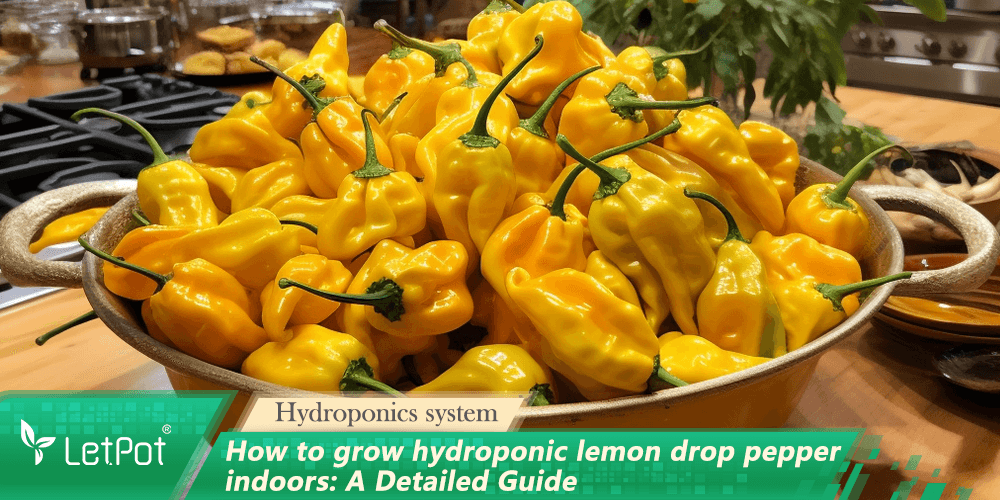
Amidst the rapid development of modern agricultural technologies, hydroponic cultivation, as an innovative and efficient method of farming, is gradually becoming the preferred choice for urban dwellers and those with limited traditional gardening space. Lemon drop peppers, popular for their unique sour and spicy flavor and vibrant appearance, are a common seasoning in the kitchen. This guide aims to provide a detailed introduction on how to successfully grow lemon drop peppers indoors using a hydroponic system. Hydroponics, or soilless cultivation, involves placing the roots of plants directly in a nutrient-rich water solution, thus ensuring healthy plant growth. This guide will offer step-by-step instructions for cooking enthusiasts and gardening beginners, starting from selecting the appropriate hydroponic system to gradually delving into how to implement and maintain an efficient Deep Water Culture (DWC) system at home, ensuring that you can easily enjoy fresh, organic lemon drop peppers in your own space.

Are you interested in learning more about hydroponic lemon drop pepper? Keep reading below!
This article will provide you with an easy-to-understand overview of hydroponics. We'll also discuss the best hydroponic systems for growing lemon drop pepper indoors and the types of hydroponic lemon drop pepper suitable for indoor cultivation.
Quick Guide: 6 Steps to Easily Grow Hydroponic Lemon Drop Pepper Indoors
Selecting the Appropriate Hydroponic System: Choose an indoor-appropriate hydroponic system, such as the Deep Water Culture (DWC) system, for its simplicity and efficiency.
- Preparing the Hydroponic Nutrient Solution: Mix a specialized hydroponic nutrient solution to ensure balanced nutrition suitable for the growth of lemon drop peppers.
- Planting Lemon Drop Pepper Seeds: Sow lemon drop pepper seeds in the hydroponic medium, or use already germinated seedlings.
- Setting Appropriate Lighting: Provide sufficient lighting, using LED grow lights to simulate natural light and promote healthy plant growth.
- Monitoring and Adjusting the Environment: Regularly check the water level and pH of the nutrient solution in the hydroponic system to ensure an environment suitable for the growth of lemon drop peppers.
- Harvesting and Enjoying: Harvest the mature lemon drop peppers and enjoy the freshness of home-grown peppers.
Following these simple steps, even gardening beginners can easily grow healthy lemon drop peppers at home.
What are hydroponics growing systems?

Hydroponic cultivation, as an efficient soilless farming method, offers various systems in the market, each with its unique features and advantages:
- Nutrient Film Technique (NFT): In this system, plant roots are exposed in a slender channel where nutrient solution continuously flows over them, providing essential water and nutrients. This system is suitable for plants with rapid growth and smaller root systems.
- Ebb and Flow System: This method involves a timed pump that transports the nutrient solution from a reservoir to the plant growth tray and then flows back into the reservoir. It is applicable for a variety of plants, especially those requiring periodic drying of roots.
- Drip System: This system supplies nutrient solution directly to the plant roots through small drippers, suitable for plants that need precise control of moisture and nutrients.
- Aeroponics: Plants are suspended in the air, with roots surrounded by fine water mist, providing a high supply of oxygen and promoting rapid growth.
- Deep Water Culture (DWC): As a simple and efficient hydroponic method, the DWC system places plants in a container filled with nutrient solution, with roots directly immersed in it. This system is particularly suitable for beginners because it does not require a complex timing system or frequent maintenance, making it ideal for growing plants like lemon drop pepper.
Each of these hydroponic systems has its merits, but for those looking to easily grow lemon drop peppers at home, the DWC system might be the best choice due to its simplicity, efficiency, and lower maintenance requirements.
How to set up an indoor hydroponic growing system?
To DIY an indoor Deep Water Culture (DWC) hydroponic system, you need to prepare the following basic components and materials. This system is simple to set up and very suitable for beginners.
DIY Deep Water Culture (DWC) Hydroponic System Setup List:
- Container: Choose a sufficiently deep container, such as a plastic storage box or a specialized hydroponic container, to hold the nutrient solution.
- Net Pots: These baskets will be placed at the top of the container to hold the plants and their growing medium.
- Growing Medium: Options like rockwool, perlite, or clay pellets are used to support the plants and maintain moisture around the roots.
- Air Pump and Air Stone: The air pump is used to supply oxygen to the nutrient solution, while the air stone helps to disperse the bubbles, ensuring that the roots receive ample oxygen.
- Nutrient Solution: Choose a hydroponic nutrient solution suitable for the growth of lemon drop peppers.
- pH Testing Kit: Used for testing and adjusting the pH of the nutrient solution to ensure it is within the ideal range for plant growth.
- Water Level Indicator (Optional): Helps monitor the water level within the container.
- LED Grow Lights: If indoor lighting is insufficient, LED grow lights can be used to provide the necessary light.
Setup Steps:
- Prepare the Container: Cut appropriate-sized holes in the lid of the container for placing the net pots.
- Install the Air Pump and Air Stone: Connect the air stone to the air pump and place it at the bottom of the container.
- Add Nutrient Solution and Water: Mix the nutrient solution with water according to the instructions and pour it into the container until the appropriate water level is reached.
- Adjust pH Level: Use the pH testing kit to test the pH of the nutrient solution and make necessary adjustments.
- Place the Plants: Put the plants along with their growing medium into the net pots, ensuring that the roots can reach the nutrient solution.
- Set Up Lighting: Adjust the position and timing of the LED grow lights according to the needs of the plants.
By following these steps, you can successfully set up a simple indoor DWC hydroponic system and start growing lemon drop peppers. Remember to regularly check the water level and the condition of the nutrient solution to ensure the healthy growth of your plants. Here are some article about DIY Deep Water Culture (DWC) Hydroponic System Setup
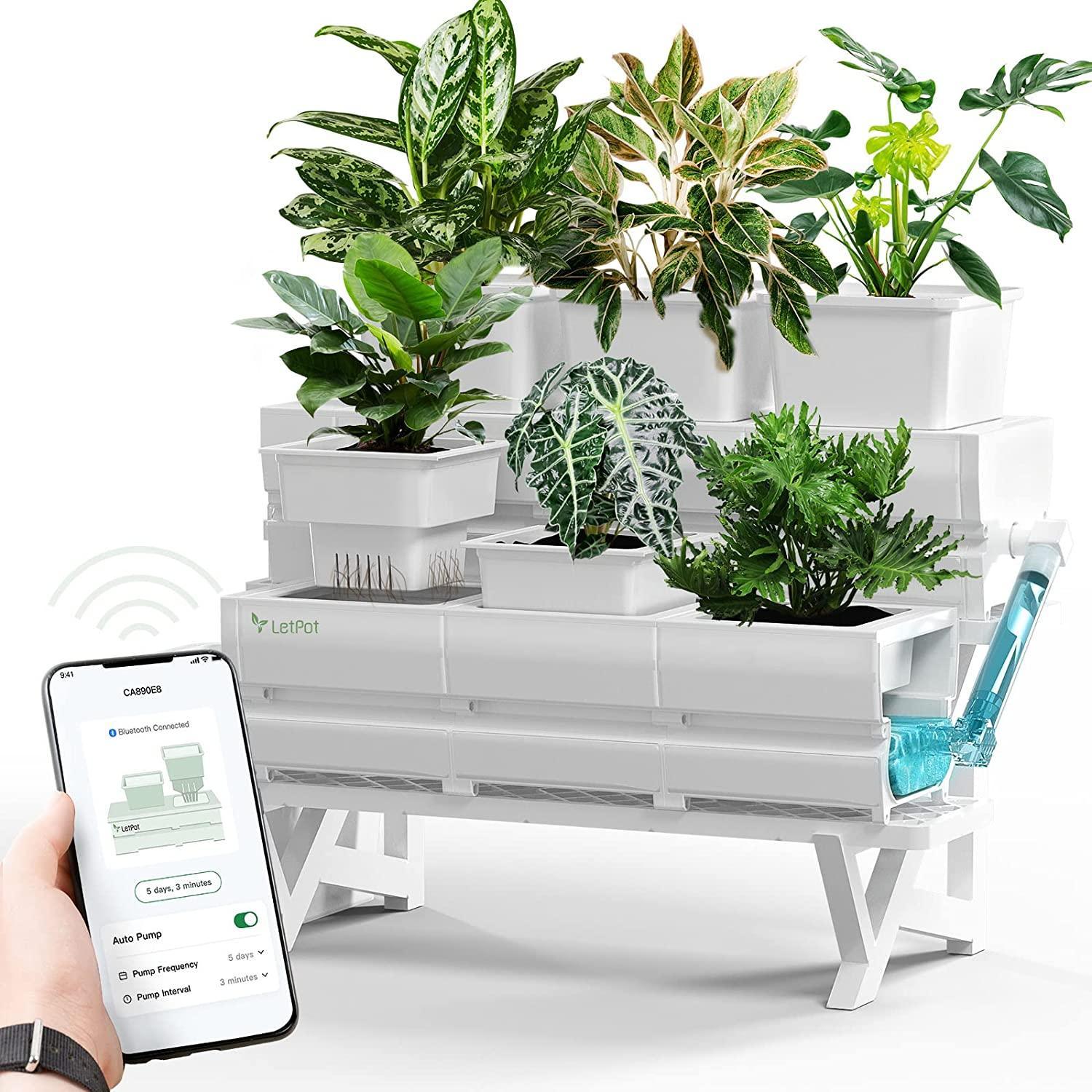
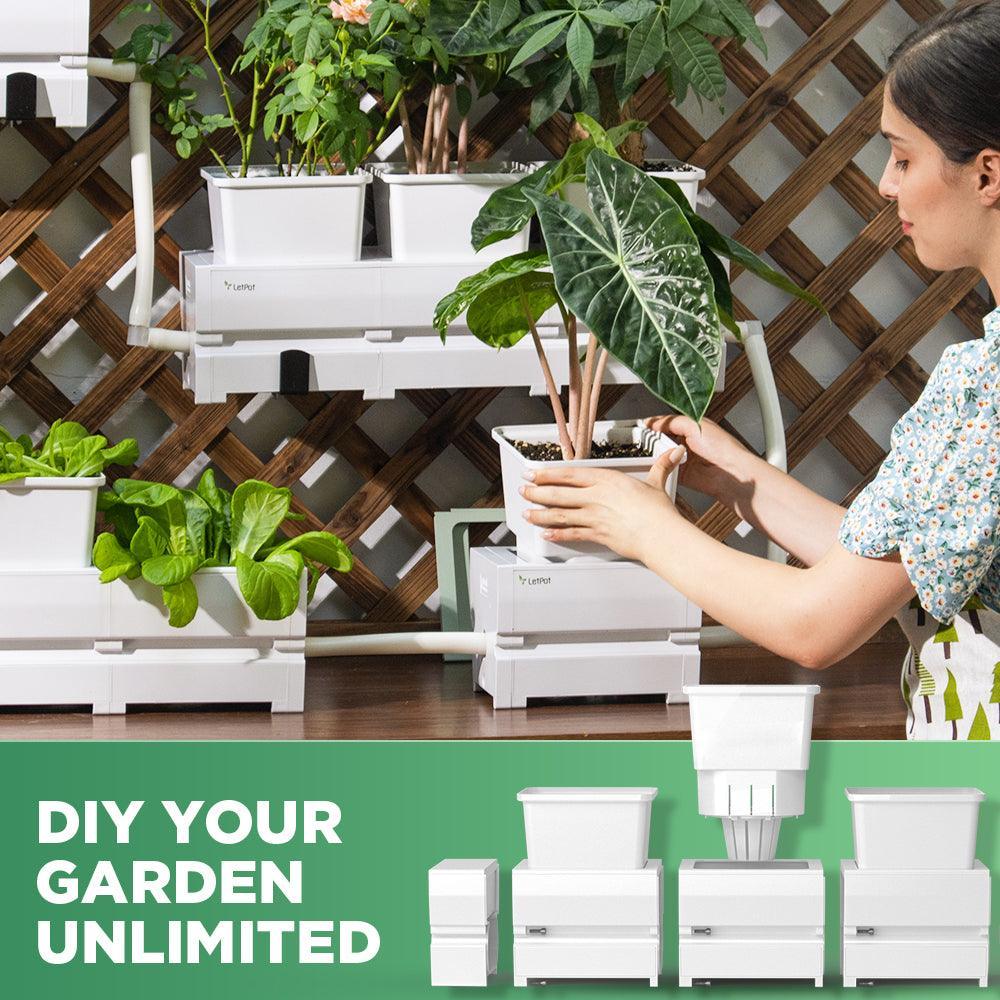
However, I understand that preparing all of this can be challenging for beginners, and you also need to acquire specialized knowledge. Fortunately, many new intelligent hydroponic growing systems are available, making starting your indoor hydroponic garden easier.

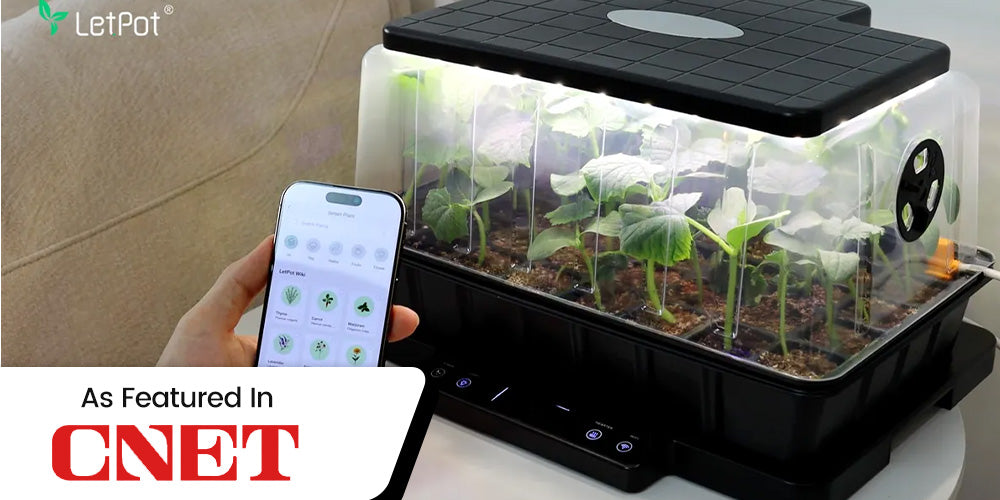
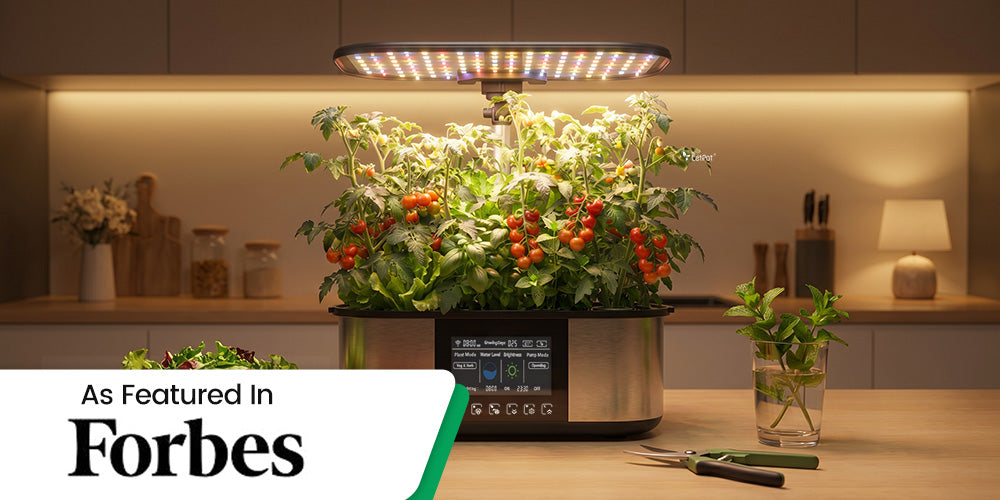
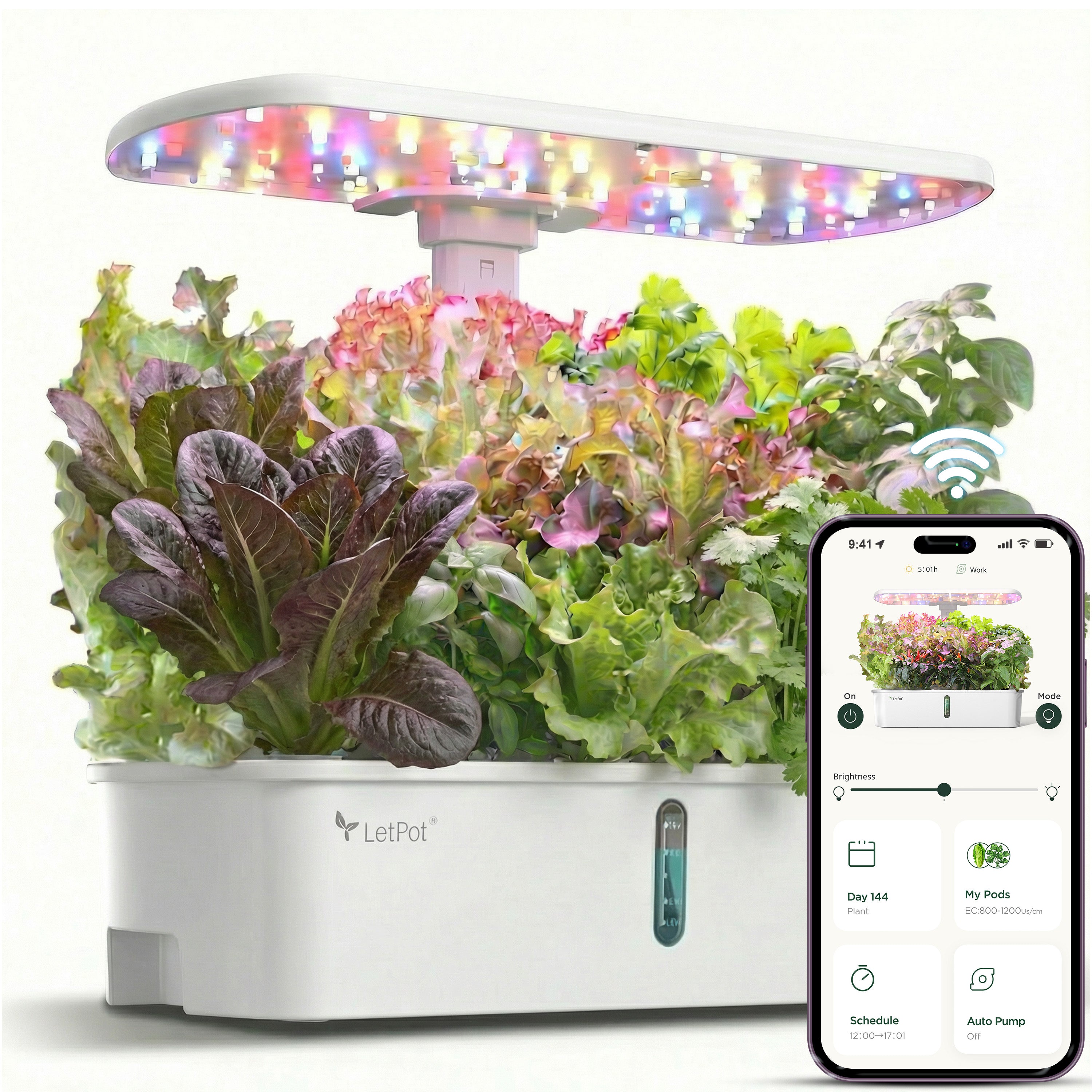
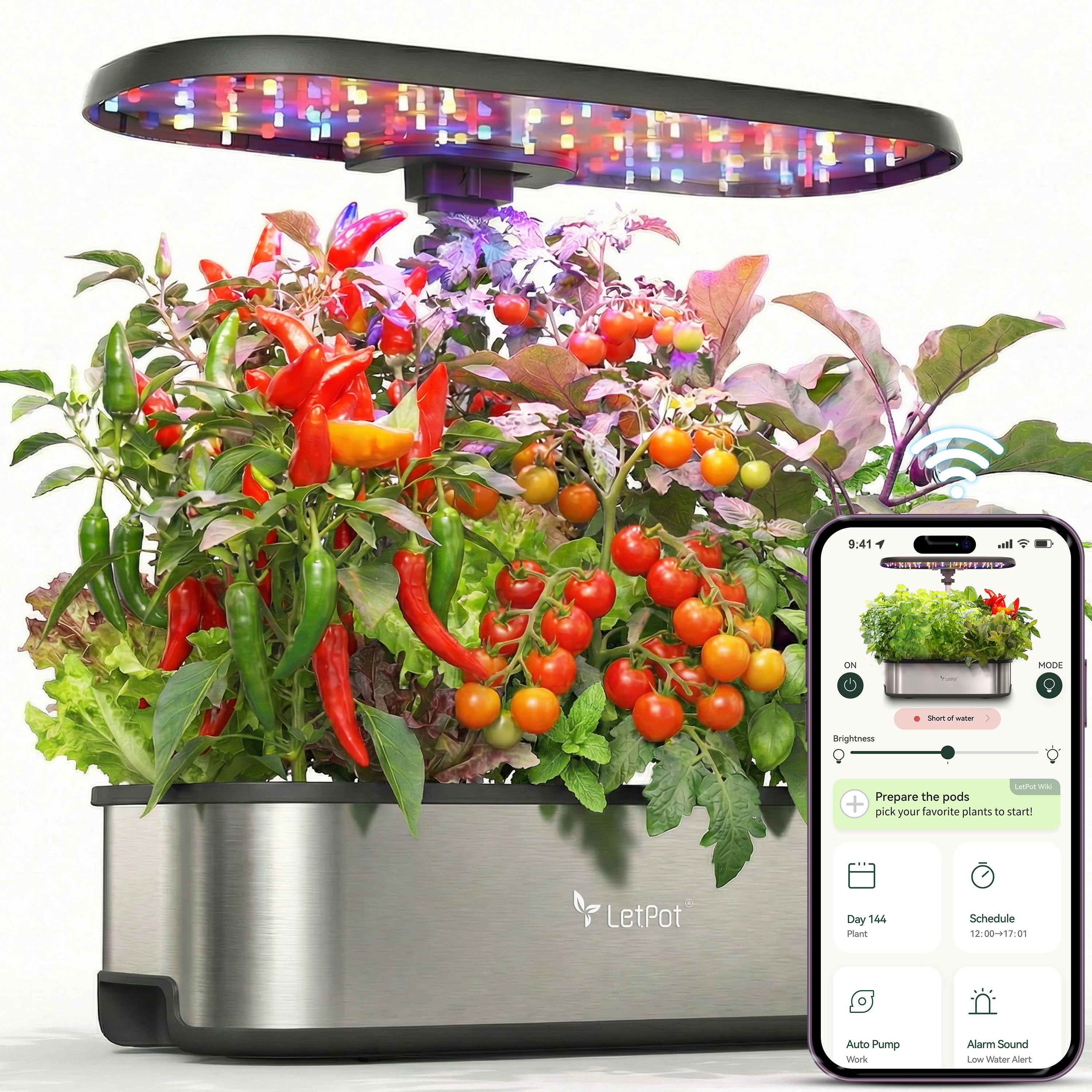
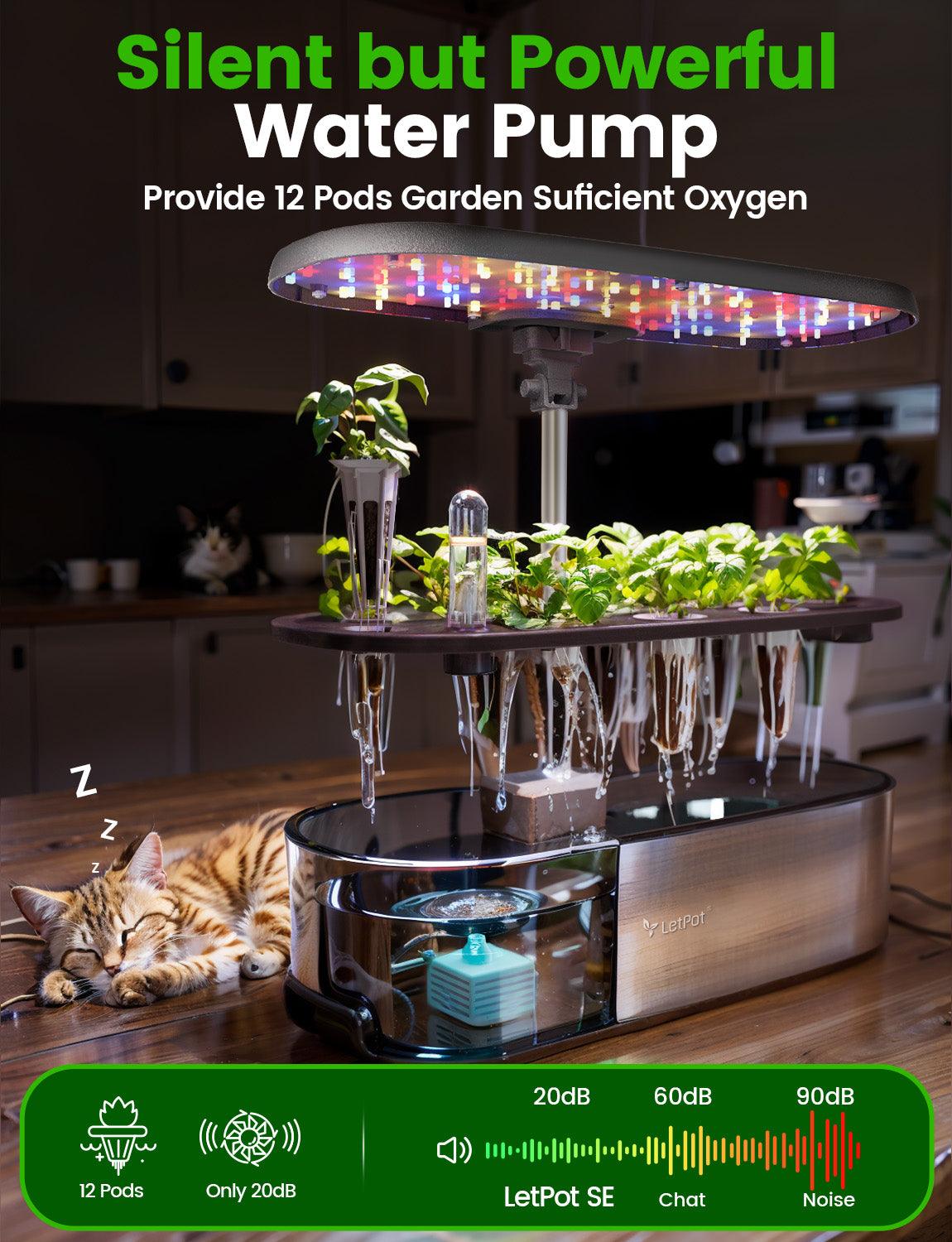
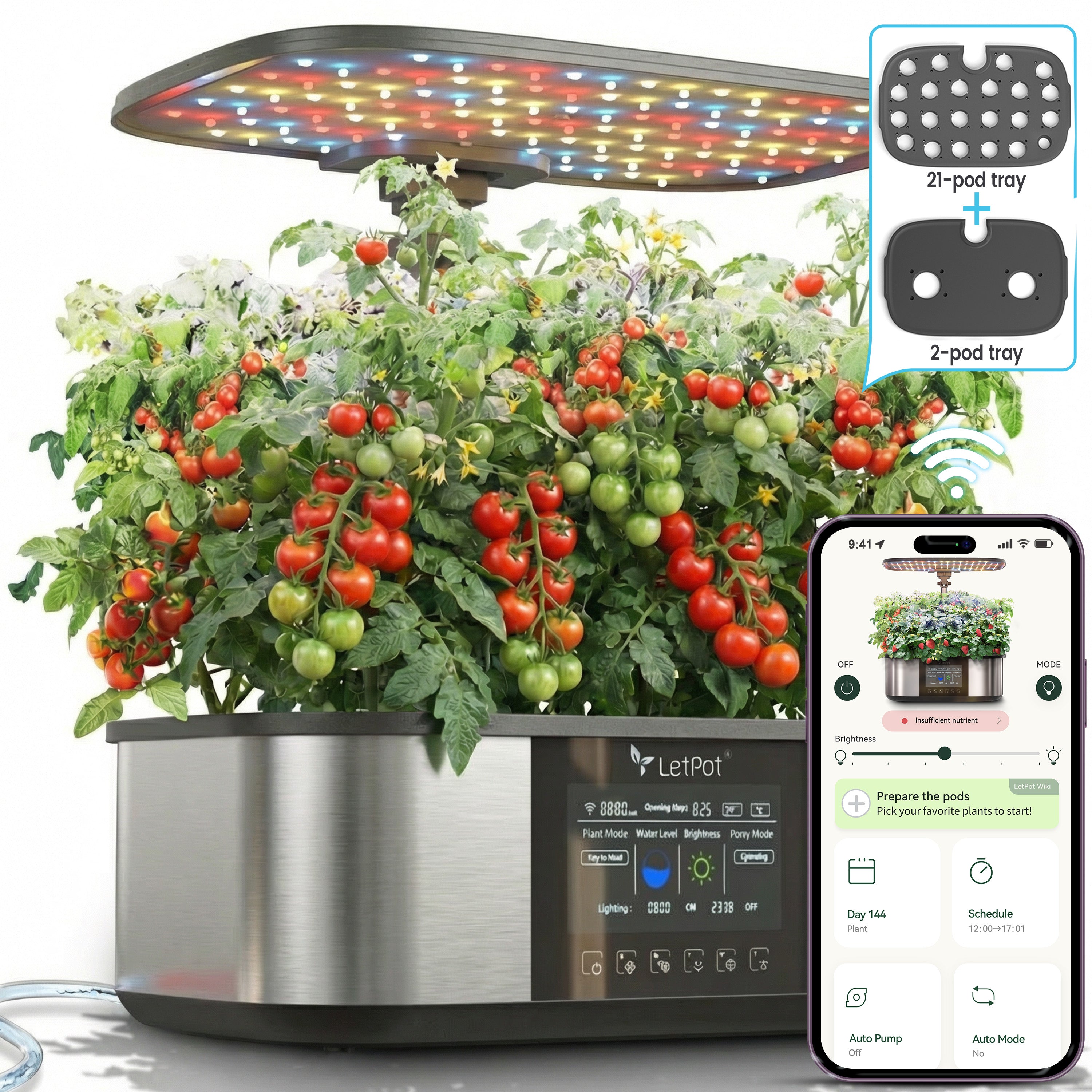
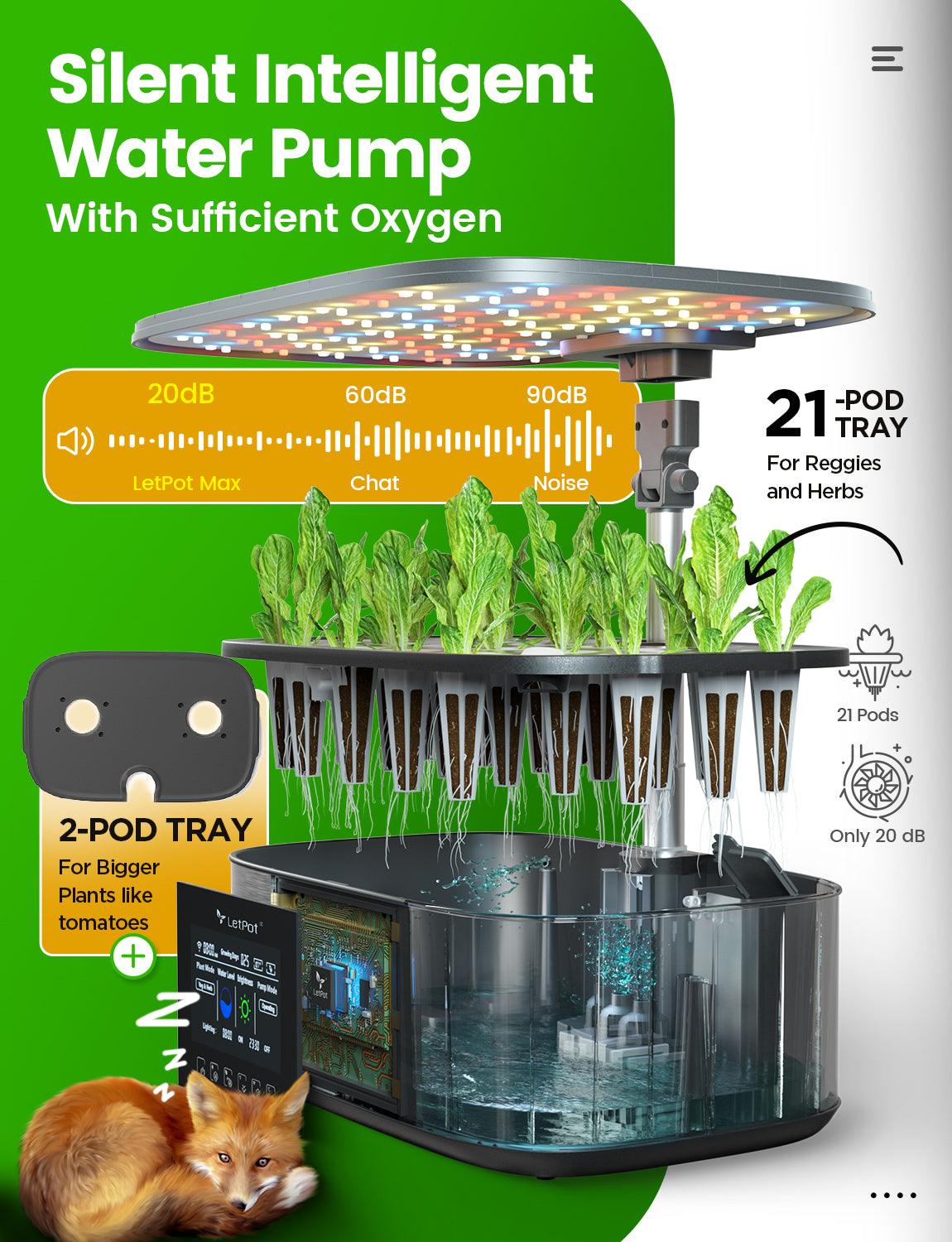
If you're interested, try the LetPot Hydroponics Growing System, which features innovative automatic watering and nutrient functions and integration with an app. With these features, you can effortlessly begin hydroponic cultivation, even if you're a novice gardener.
Learn about LetPot® and customer stories:
- Growing Cherry Tomatoes Indoors: A Personal Tale of Juicy Rewards
- Enjoy Growing Cherry Tomatoes At Home - LetPot Indoor Hydroponic System
How to grow hydroponic lemon drop pepper indoors? (Step-by-step guide)

Capsicum baccatum is the pepper species to which the Lemon Drop pepper belongs, and this species is widely distributed in South America. A characteristic of Capsicum baccatum is that the fruits are usually long, with a heat level ranging from mild to medium, and they often have a unique fruity aroma. This species includes a variety of different peppers, such as Aji Amarillo and Aji Fantasy, which vary in color, shape, and flavor.
The Lemon Drop (Aji Limon) pepper is a member of the Capsicum baccatum species, known for its bright yellow color and lemon-like fragrance. Here are some detailed aspects of the Lemon Drop pepper:
- Appearance: Lemon Drop peppers are typically 5-7 centimeters long, slender and cone-shaped, and turn a bright yellow when mature.
- Flavor: These peppers are renowned for their unique lemony aroma and fresh spicy taste. Their heat level is medium, with Scoville heat units ranging from approximately 15,000 to 30,000.
- Growth Habits: Lemon Drop pepper plants are vigorous growers, reaching heights of 60-90 centimeters. They thrive in abundant sunlight and warm environments.
- Uses: These peppers are suitable for making sauces, pickling, cooking, or eating raw. Their vibrant color and unique flavor make them a highlight in the kitchen.
- Cultivation: Lemon Drop peppers are well-suited for hydroponic systems as they have low soil requirements and can grow healthily in well-controlled environments.
When choosing Lemon Drop pepper seeds, it is recommended to purchase from reputable suppliers to ensure seed quality and growth potential. Due to their robust growth and unique flavor characteristics, Lemon Drop peppers are an ideal choice for hydroponic enthusiasts and pepper lovers.
Step 2: Choose a growing medium for your hydroponic lemon drop pepper

In a Deep Water Culture (DWC) system, choosing the right growing medium is crucial for the healthy growth of plants. Commonly used growing mediums include rockwool, perlite, and clay pellets. However, brands like Aerogarden and LetPot often use sphagnum peat as a growing medium. Here, we will focus on the benefits of sphagnum peat:
- Excellent Moisture Retention: Sphagnum peat can retain a high level of moisture, which is vital for maintaining a constant water supply in DWC systems. It can maintain appropriate moisture levels without over-saturating the roots.
- Aeration: Despite its ability to hold moisture, sphagnum peat also has good aeration properties. This means that the roots can get enough oxygen, promoting healthy growth.
- Acidity: Sphagnum peat is typically slightly acidic, which is an ideal growing environment for most plants. It helps maintain the pH balance of the nutrient solution.
- Natural and Sustainable: Sphagnum peat is a natural organic material that is environmentally friendly. It is a renewable resource, but its harvesting should be done responsibly to ensure sustainability.
- Ease of Use: The handling and use of sphagnum peat are relatively simple, making it suitable for beginners. It can be used directly for planting without a complex preparation process.
- Disease Prevention: Due to its unique physical and chemical properties, sphagnum peat can help suppress certain soil-borne diseases, reducing the risk of diseases during plant growth.
Choosing sphagnum peat as the growing medium for a DWC system can provide a healthy and stable growing environment for plants like lemon drop peppers. However, it is important to note that the harvesting and use of sphagnum peat should follow sustainability principles to minimize environmental impact.
Step 3: Prepare your hydroponic lemon drop pepper seeds for germination

Germination is a crucial step in growing lemon drop peppers. The correct germination method can ensure healthy plant growth. Here are the detailed steps and considerations for preparing germination:
Preparation:
- Seed Selection: Ensure the use of fresh, high-quality lemon drop pepper seeds.
- Germination Medium: Prepare a suitable medium for germination, such as moist kitchen paper towels, sphagnum peat, or a specialized germination medium.
- Container: Prepare a small container or plastic bag to maintain humidity.
- Temperature and Humidity Monitoring Tools: Prepare a thermometer and hygrometer to monitor environmental conditions.
Germination Steps:
- Seed Treatment: Place the seeds on a moist kitchen paper towel, then put them in a plastic bag or cover them in a small container to maintain humidity.
- Temperature Control: Place the seeds in a warm place, with the ideal temperature range being 25-30°C (77-86°F). Avoid direct sunlight but ensure a warm environment.
- Humidity Maintenance: Ensure the environment around the seeds remains moist but not overly saturated.
- Check and Ventilation: Check daily to ensure the paper towel remains moist and provide slight ventilation to prevent mold.
Waiting Time and Environmental Conditions:
- Germination typically takes 7-14 days, depending on the freshness of the seeds and environmental conditions.
- Maintaining a stable temperature and moderate humidity is key.
Timing and Condition for Transplanting to DWC System:
- When the seeds have germinated and grown small roots (about 1-2 cm), they can be transplanted into the DWC system.
- Ensure the seedlings are strong enough to withstand the transplanting process, usually waiting until the seedlings have grown their first set of true leaves (not cotyledons).
Transplanting Steps:
- Gently Remove Seedlings: Carefully remove the seedlings from the germination medium, avoiding damage to the delicate roots.
- Prepare DWC System: Ensure the DWC system's growing medium and nutrient solution are ready.
- Transplanting: Gently place the seedlings in the DWC system's net pots, ensuring the roots can reach the nutrient solution.
- Early Care: After transplanting, monitor the water level and the pH of the nutrient solution to ensure the seedlings adapt to the new environment.
Remember, patience and careful attention are key.
Step 4: Provide a nutrient solution for your hydroponic Lemon Drop pepper

The hydroponic nutrient solution is a water-soluble compound that provides all the necessary nutrients for plants. Understanding and preparing the appropriate nutrient solution is crucial for the healthy growth of lemon drop peppers.
Common Hydroponic Nutrients:
- Nitrogen (N): Promotes the growth of plant leaves.
- Phosphorus (P): Essential for root development and flower maturation.
- Potassium (K): Contributes to the overall health of the plant and its disease resistance.
- Calcium (Ca): Strengthens plant structure and growth.
- Magnesium (Mg): A key component of chlorophyll, crucial for photosynthesis.
- Sulfur (S): Helps plants form proteins.
- Micronutrients: Such as Iron (Fe), Manganese (Mn), Copper (Cu), Zinc (Zn), Boron (B), and Molybdenum (Mo), are required in small quantities but are equally important for plant health.
Suitable Nutrient Solution Ratio and pH for Lemon Drop Peppers:
- N-P-K Ratio: For lemon drop peppers, it is recommended to use a nutrient solution with a higher nitrogen content, such as an N-P-K ratio of 10-5-14.
- Calcium and Magnesium: Ensure the nutrient solution contains an appropriate amount of calcium and magnesium.
- Micronutrients: Choose a comprehensive nutrient solution that includes the necessary micronutrients.
- pH Value: The suitable pH range for lemon drop peppers is between 5.5 and 6.5. Regularly test the pH of the nutrient solution with a pH meter and adjust with pH up or down solutions as necessary.
Steps for Preparing and Using the Nutrient Solution:
- Choose the Right Hydroponic Nutrient Solution: Purchase a nutrient solution designed specifically for hydroponic plants, ensuring it contains all the major and micronutrients mentioned above.
- Mix in Proportion: Mix the nutrient solution with water in proportion according to the product instructions and required volume.
- Adjust pH Value: Use a pH meter to test the pH of the mixed nutrient solution and adjust if necessary.
- Add to the System: Add the adjusted nutrient solution to the DWC system.
- Regular Check and Replacement: Regularly check the pH and nutrient concentration of the solution, replacing the nutrient solution every two weeks to maintain freshness and balance.
Step 5: Provide artificial lighting for your indoor hydroponic Lemon Drop pepper cultivation

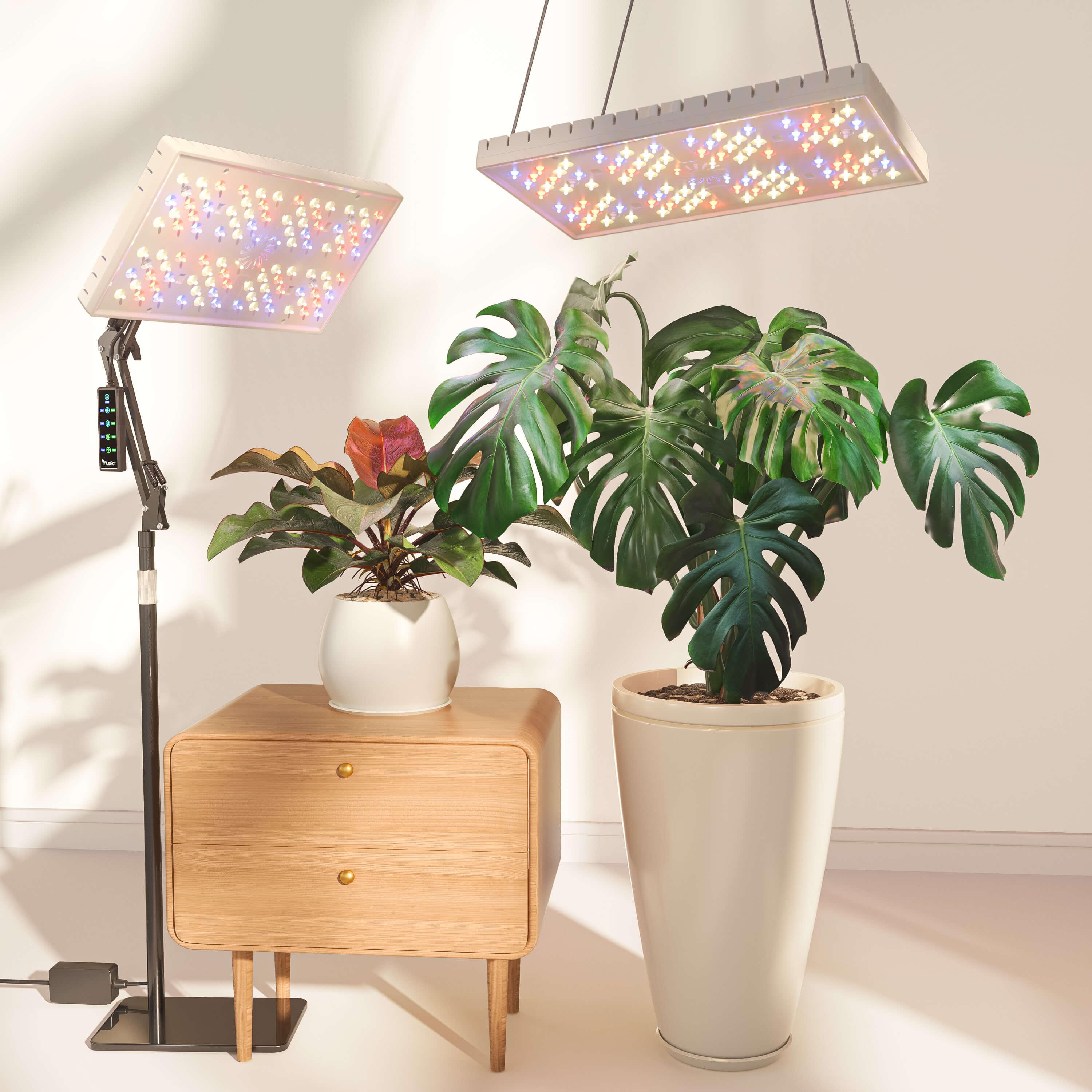
In indoor hydroponic systems, due to the lack of natural sunlight, providing appropriate artificial lighting is crucial for plant growth. Here is a guide to choosing and using artificial lighting to ensure healthy growth of lemon drop peppers.
Choosing the Right Type of Light Fixture:
- LED Grow Lights: Efficient and energy-saving, they provide a broad spectrum of light, including blue and red light essential for plant growth. LEDs also produce less heat, reducing the risk of thermal damage to plants.
- Fluorescent Lights: Especially T5 fluorescent lights, are a popular choice suitable for seedlings and low-light plants, though they may not be as efficient as LEDs.
- High-Pressure Sodium (HPS) and Metal Halide (MH) Lights: Common in commercial cultivation, these lights consume more power and generate more heat, which may not be suitable for small-scale indoor growing.
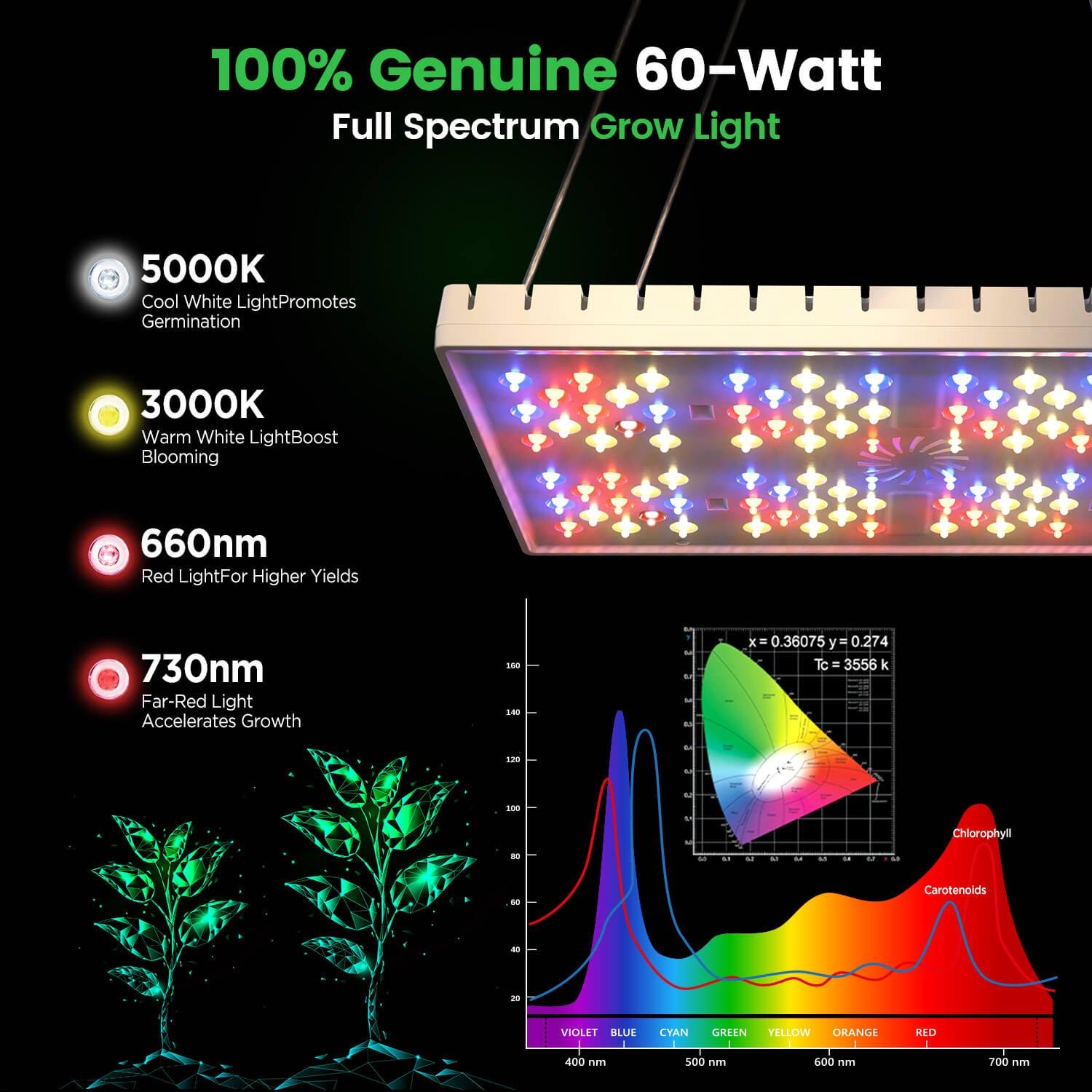
The Role and Principle of Red, Blue, and White Light in Plant Growth:
In indoor hydroponic systems, using LED grow lights with red, blue, and white light is crucial for healthy plant growth. These colors' wavelengths have specific impacts on different stages of plant growth:
- Blue Light (Approximately 400-500 nm Wavelength):
- Principle: Blue light primarily affects the production of chlorophyll, crucial for the process of photosynthesis.
- Function: Blue light helps promote the growth of leaves and strong stems. In the early growth stages of plants, blue light is particularly important for developing healthy leaves and root systems.
- Red Light (Approximately 600-700 nm Wavelength):
- Principle: Red light significantly affects the photoperiod response of plants, helping them recognize seasons, especially crucial for flowering and fruit maturation.
- Function: Red light is vital for flowering and fruit production. It promotes the formation of flowers and the maturation of fruits, which is particularly important for fruiting crops like lemon drop peppers in an indoor environment.
- White Light:
- Principle: White light is a full-spectrum light source, simulating natural sunlight and containing all the spectra needed for plant growth.
- Function: White light provides a more balanced light environment, contributing to the overall health and growth of plants. It ensures that plants receive the required light not only at specific stages but throughout their entire growth cycle.
Advantages of Combining Red, Blue, and White Light:
- Using LED grow lights that combine red, blue, and white light can provide a more comprehensive spectrum, simulating the effect of natural light, thereby catering to the plants' needs at different growth stages.
- For fruiting crops like lemon drop peppers, red light is particularly important for promoting flowering and fruit maturation, while blue light aids in the early development of leaves and stems. White light provides a balanced environment, ensuring overall plant health.
Lighting Requirements and Parameters:
- Light Intensity: Lemon drop peppers require high light intensity, with a recommendation of at least 300 to 600 micromoles per square meter per second (μmol/m²/s).
- Light Cycle: Lemon drop peppers typically need about 14 to 16 hours of light per day to simulate long daylight conditions in summer.
- Spectrum: Choose lighting fixtures that provide a full spectrum, especially those rich in blue and red light, as blue light aids in leaf growth and red light in the development of flowers and fruits.
Setup and Usage Guidelines:
- Position of Lights: Install the lights above the plants, approximately 30 to 60 centimeters (12 to 24 inches) from the top of the plants, depending on the strength and coverage of the lights.
- Timer: Use a timer to control the lights' on and off, ensuring a stable light cycle for the plants.
- Monitoring and Adjustment: Regularly observe the plants' response, such as leaf burn or etiolation, which indicates that the lights are too close or too far. Adjust the position and lighting time of the lights according to the growth of the plants.
By providing appropriate artificial lighting, you can ensure that lemon drop peppers in an indoor hydroponic environment receive sufficient light energy to support their healthy growth and yield.
Step 6: Timing and Harvesting of Hydroponic Lemon Drop pepper

Harvesting lemon drop peppers is the most anticipated part of the entire cultivation process. Understanding when and how to harvest can ensure that your lemon drop peppers maintain their best flavor while keeping the plants continuously productive.
When to Harvest:
- Signs of Maturity: Lemon drop peppers typically mature about 70 to 80 days after sowing. Mature lemon drop peppers are brightly colored, usually a vibrant yellow. They should feel firm with smooth skin.
- Size: Mature lemon drop peppers are generally between 5 to 7 centimeters (2 to 3 inches) in length.
- Taste Test: If you are unsure about their maturity, try picking a pepper and tasting it. Mature lemon drop peppers have a spicy flavor with a hint of lemon.
Proper Pruning: During harvest, appropriately pruning dense leaves and branches can help the plant ventilate and receive better light, promoting the growth of new fruits.
Maintaining Nutrient Supply: Continuously provide the plants with sufficient nutrients and water to ensure healthy growth and the continuous production of new fruits.
By following these methods, you can ensure that your lemon drop pepper plants keep producing new fruits, extending the harvesting period. Remember, plants need proper care throughout their entire growth cycle, including appropriate lighting, moisture, nutrients, and temperature conditions.
FAQs - Frequently Asked Questions about Growing Hydroponic Lemon Drop pepper
- Q: Why is my lemon drop pepper plant not growing well?
- A: Poor growth is often related to inadequate lighting, nutrition, or water management. Ensure the plant receives sufficient daily light (14-16 hours), the nutrient solution is properly balanced, and the pH is maintained between 5.5 and 6.5. Also, check if the hydroponic system is functioning correctly, ensuring the roots receive enough oxygen and water.
- Q: Why are the leaves of my lemon drop pepper turning yellow?
- A: Yellowing leaves can be due to nutrient deficiency or excess. Check if the concentration of the nutrient solution is appropriate, especially the levels of nitrogen, potassium, and magnesium. Additionally, overwatering or poor drainage can also cause yellowing leaves.
- Q: My lemon drop pepper has flowered but is not producing fruit. What should I do?
- A: This could be due to insufficient pollination. In natural environments, peppers rely on wind or insects for pollination. Indoors, you may need to assist manually. Use a small brush to gently touch the stamens inside the flowers, mimicking the process of insect pollination.
- Q: There's a white powdery substance on my lemon drop pepper plant. What is it?
- A: This could be a sign of powdery mildew, a common fungal disease. Increase air circulation, reduce leaf wetness, and treat with an appropriate fungicide.
- Q: The roots of my lemon drop pepper have turned black. What should I do?
- A: Black roots are often a sign of root rot, which can be caused by insufficient oxygen in the water or overwatering. Ensure there is adequate oxygen supply in the hydroponic system and regularly change the nutrient solution.
- Q: There are bugs on my lemon drop pepper plant. How should I deal with them?
- A: Identify the type of pest (such as aphids or spider mites) and choose the appropriate biological or chemical control method. In indoor planting, biological control methods (like introducing beneficial insects) are usually safer and more environmentally friendly.
- Q: The fruits of my lemon drop pepper are small. How can I make them grow bigger?
- A: Ensure the plant receives ample light and nutrients, especially during the fruiting stage. Consider reducing the number of fruits on the plant, allowing the plant to focus its energy on fewer fruits, thereby promoting their growth.
- Q: Can hydroponic lemon drop peppers be grown outdoors?
- A: While hydroponic systems are primarily used indoors, they can also be used outdoors in warm, sunny environments. Ensure the hydroponic system is protected from extreme weather and temperature fluctuations.
Conclusion
This article outlines the steps and tips for growing Lemon Drop pepper using hydroponics. I hope this tutorial was helpful to you.
We welcome your feedback and encourage you to share more knowledge to improve our tutorials. Please feel free to leave your comments as they help other hydroponic enthusiasts learn and achieve better results in their hydroponic gardens. Let's work together to strive for excellence in hydroponics.
Other Plant Hydroponic Growing Tips
If you are also interested in other hydroponic plants, please read related articles.
- How to grow hydroponic kale: A Beginner’s Guide
- How to Grow Lettuce Indoors Hydroponically: A Detailed Guide
- How to grow thyme hydroponically: A Comprehensive Guide
- How to grow rosemary hydroponically: A Comprehensive Guide
- How to grow cilantro hydroponically indoors: A Beginner’s Guide
- How To Grow Spinach Indoors Hydroponically: Growing Tips



Leave a comment
All comments are moderated before being published.
This site is protected by hCaptcha and the hCaptcha Privacy Policy and Terms of Service apply.