
Indoor Hydroponic Gardening 101
Skip the soil, not the harvest—a beginner's roadmap to growing fresh greens indoors year-round
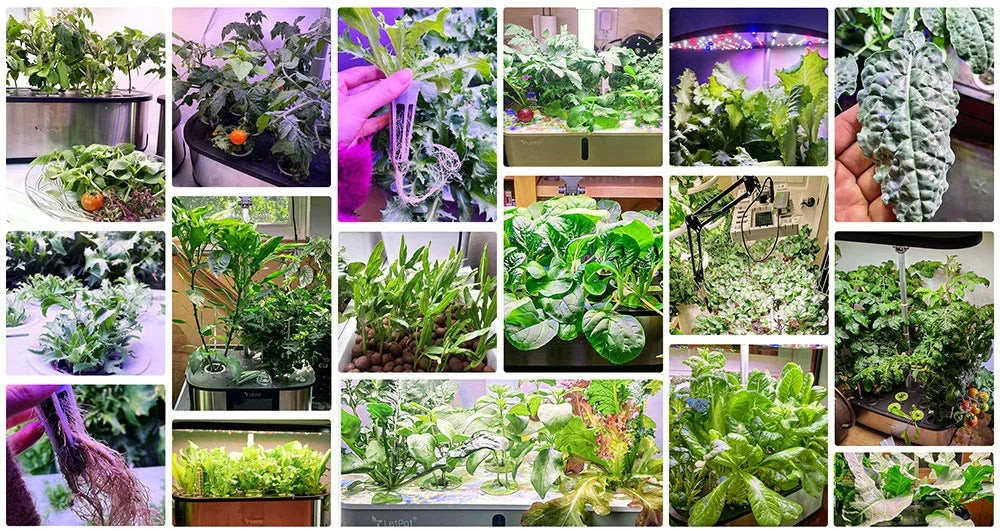
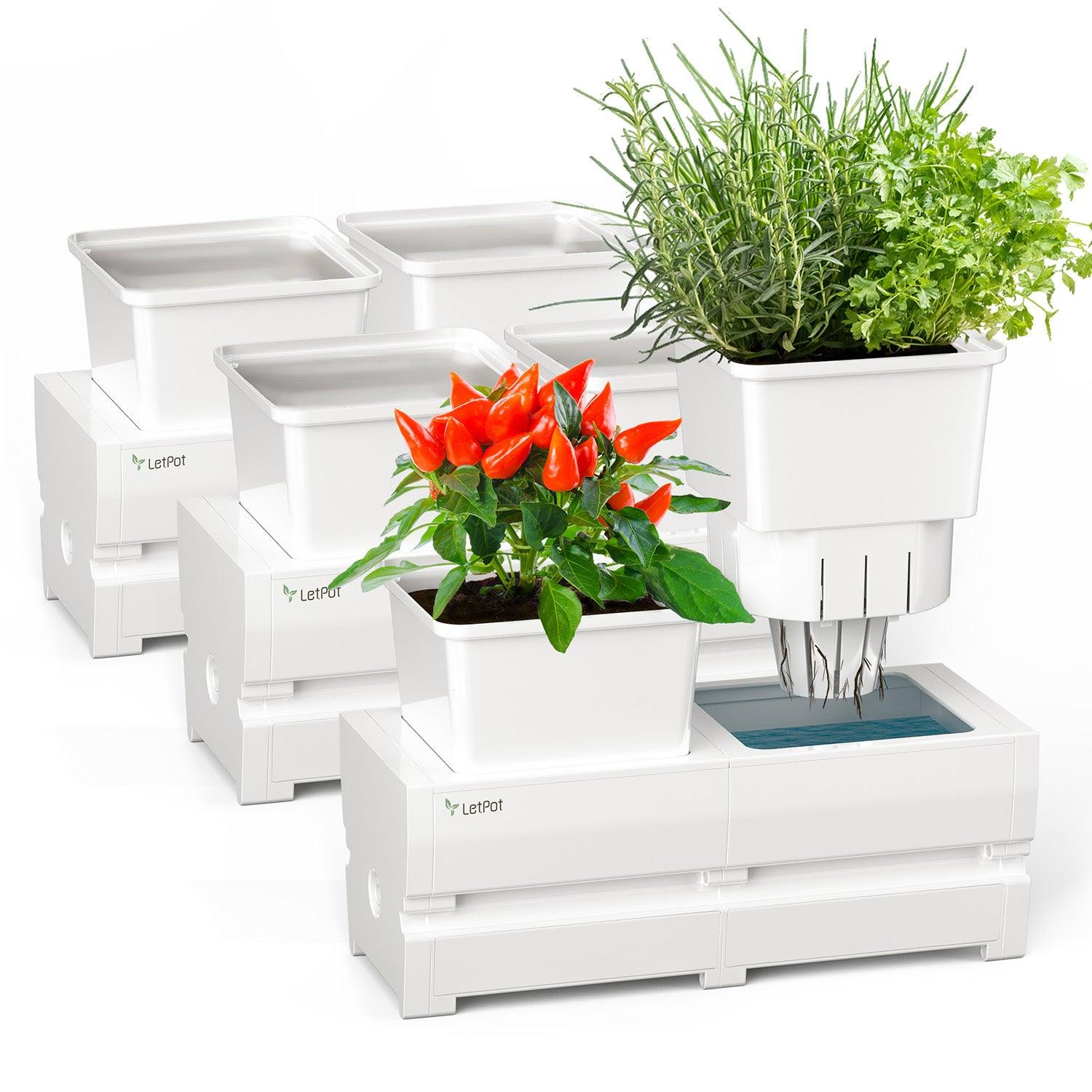
Forget everything you think you know about gardening. No backyard? No problem. No brown thumb? That's actually the point. Indoor Hydroponic gardening lets you grow fresh herbs, leafy greens, and even fruits in your kitchen, basement, or any corner with enough space for a small lamp. No dirt, fewer pests, and a fraction of the water usage compared to traditional gardening.
Sounds too good to be true? It's not. Here's everything you need to know to get started.
What Actually Is Indoor Hydroponic Gardening?
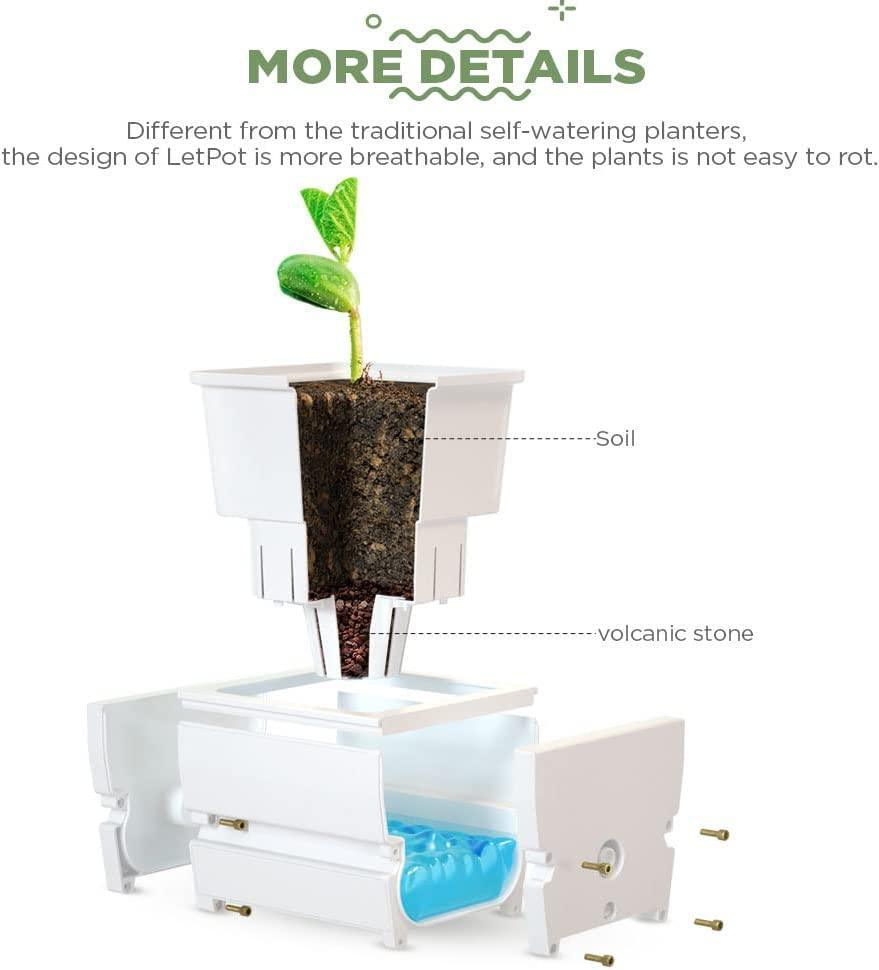
At its core, hydroponics is just growing plants without soil. Instead, the roots sit in water that's loaded with nutrients. The plants get everything they need directly—no searching through dirt for it.
Four things make this work:
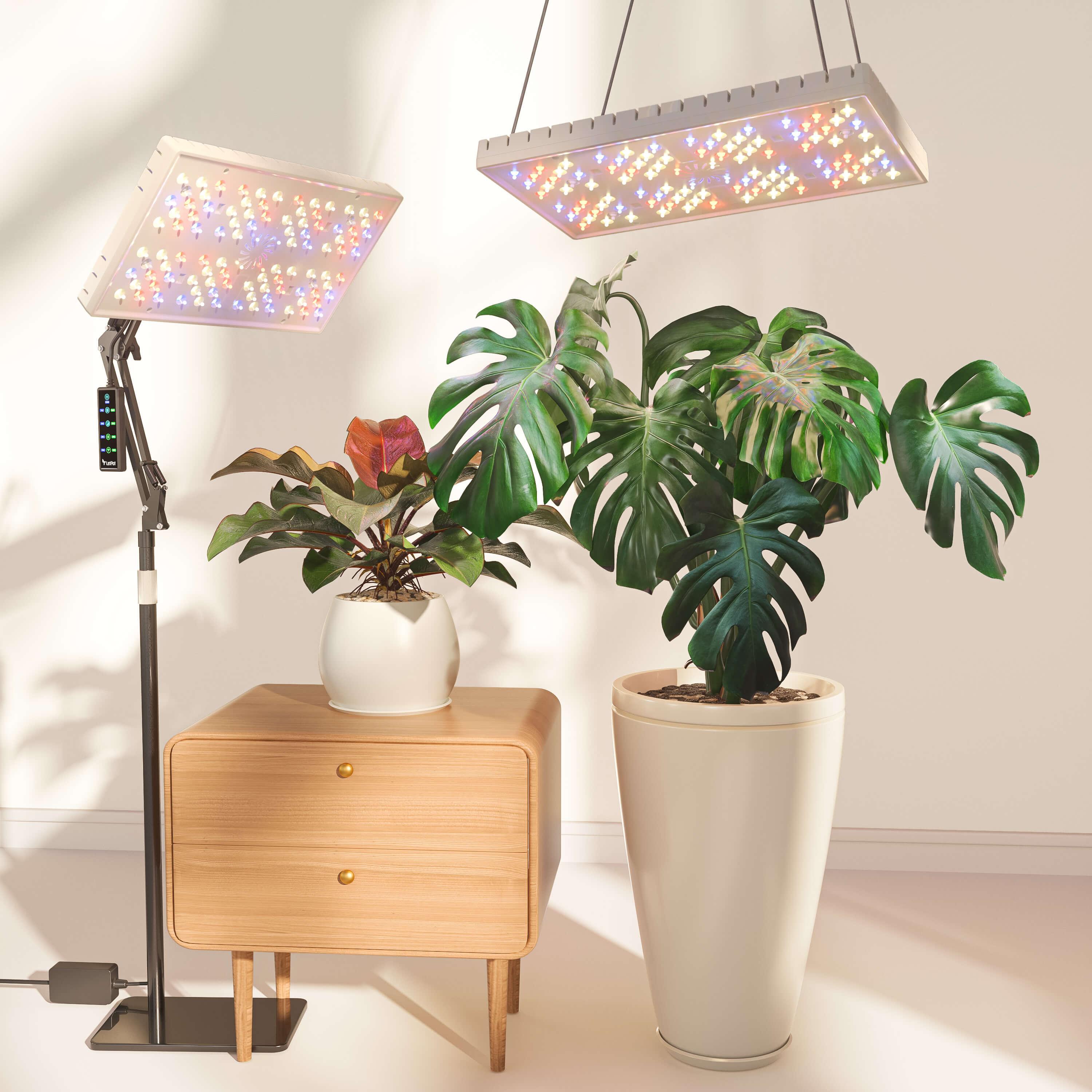
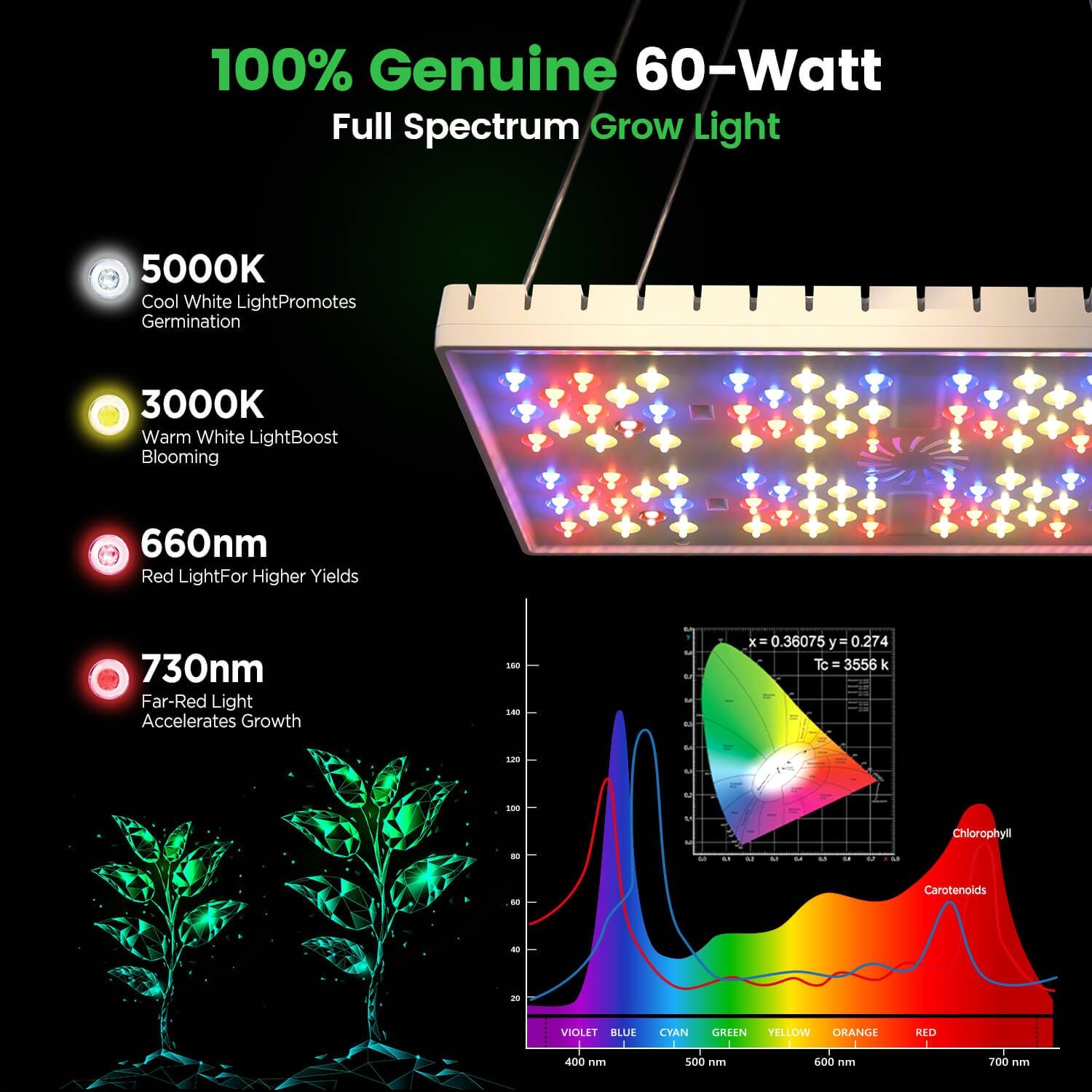
• LED grow lights – These stand in for sunlight, powering photosynthesis
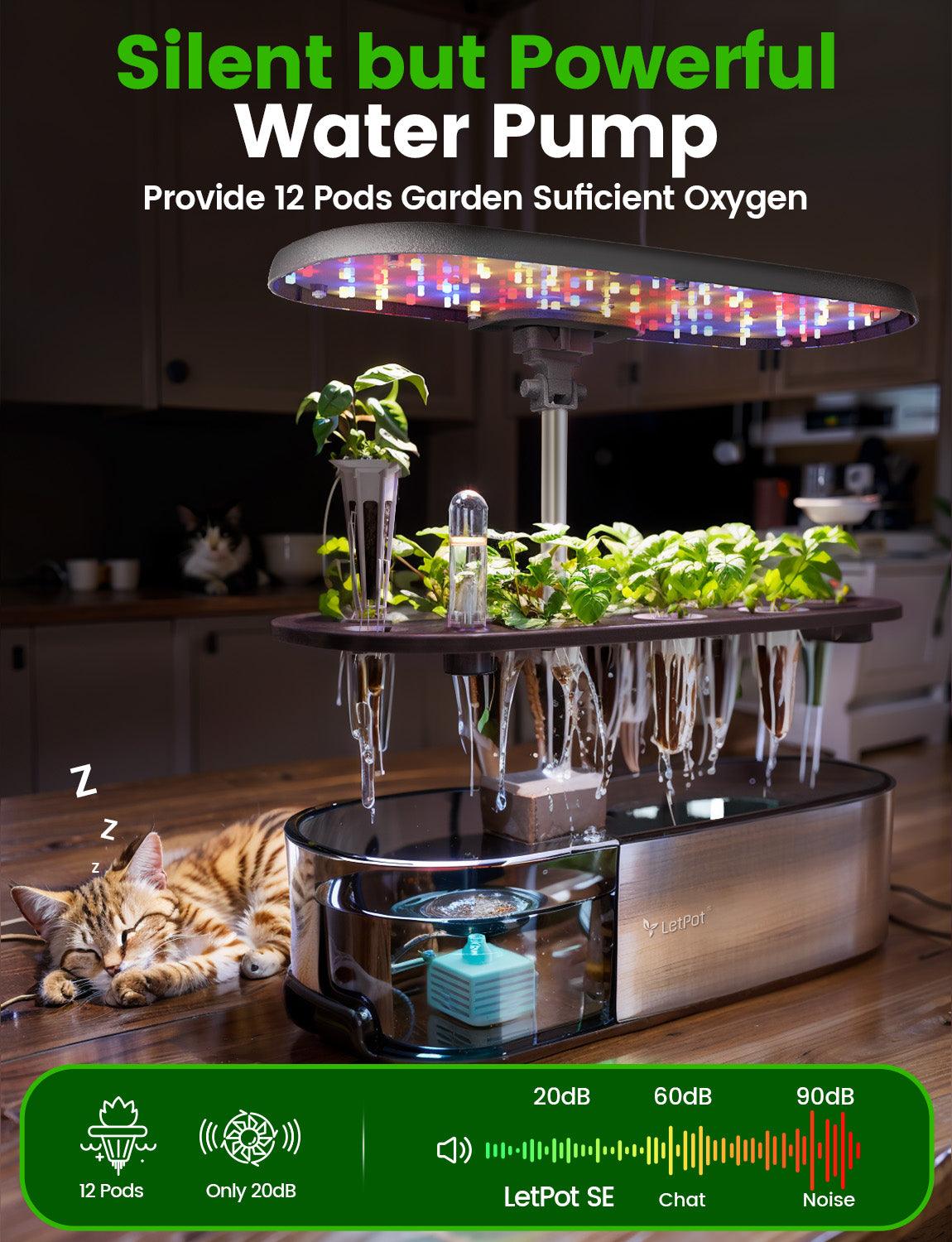
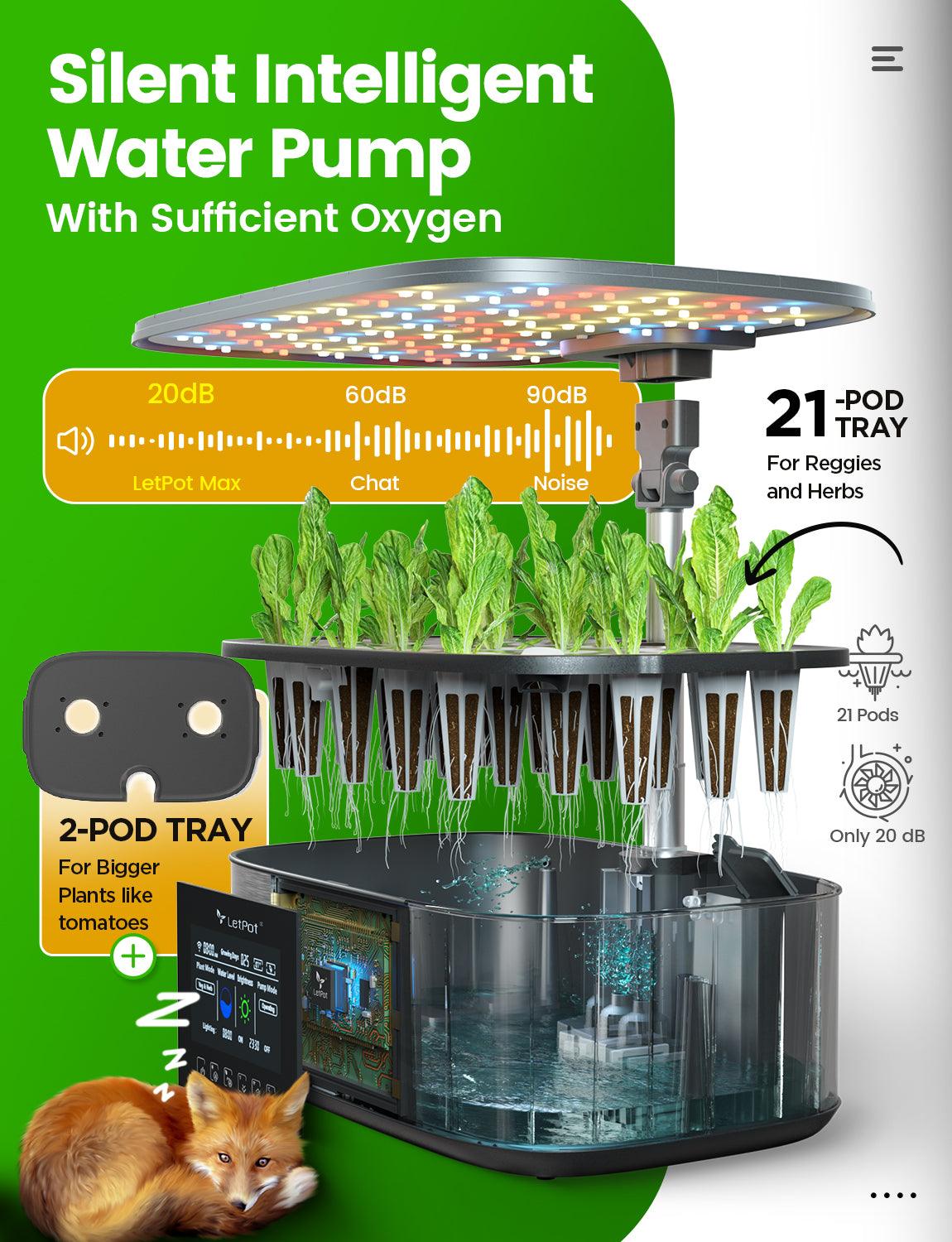
• Oxygen – A water pump pushes air to the roots so they can breathe
• Nutrient solution – The fertiliser element, dissolved in water
• Water – The carrier that delivers those nutrients
Here's the part that surprises most people: hydroponic roots actually have 2-3 times the absorption surface area of soil-grown roots. Translation? Your plants mature faster. We're talking weeks, not months, to harvest.
Best Plants for Beginners
Not all plants are created equal when it comes to indoor hydroponics. Some are forgiving. Others will test your patience.
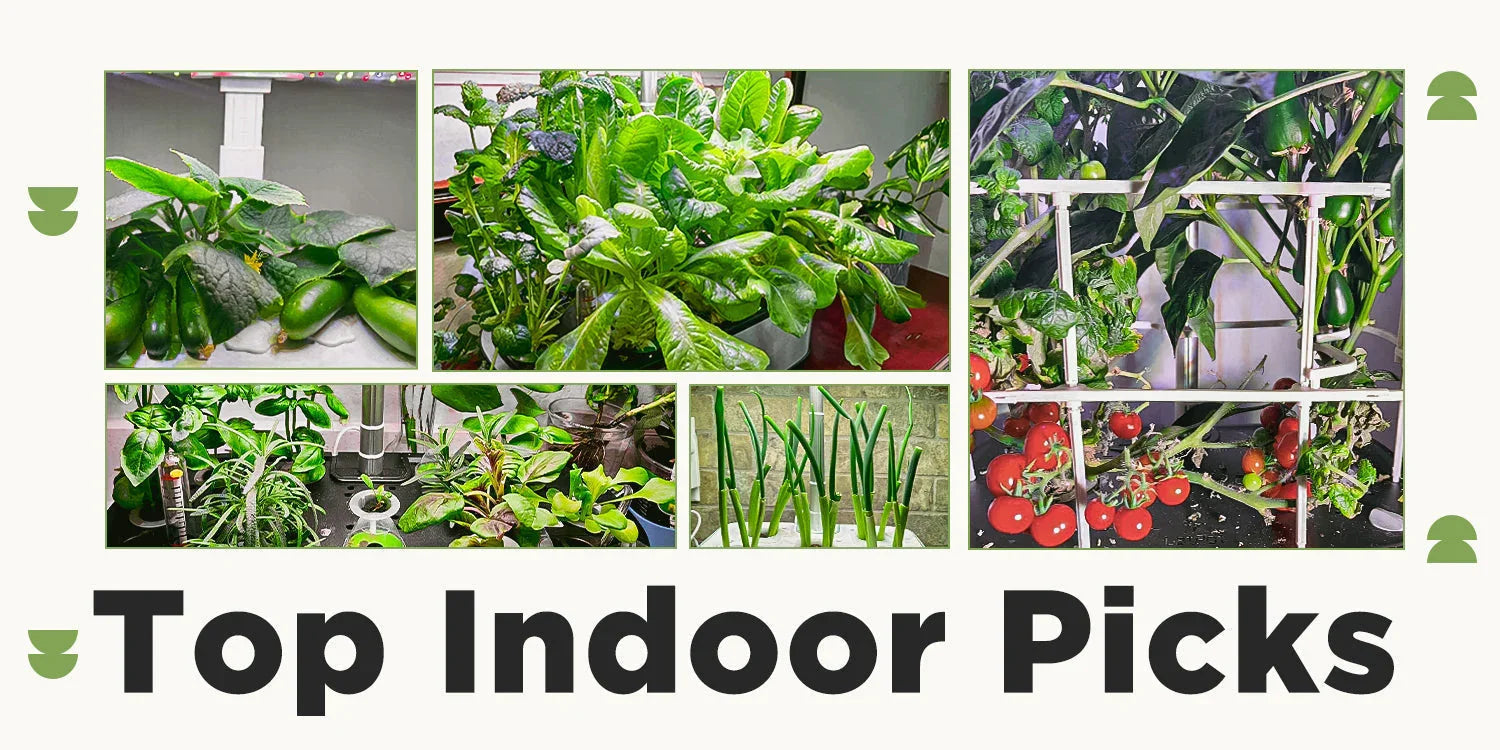
Start here – These are foolproof for beginners:
• Butter lettuce – Ready in 3-4 weeks, nearly 100% germination rate
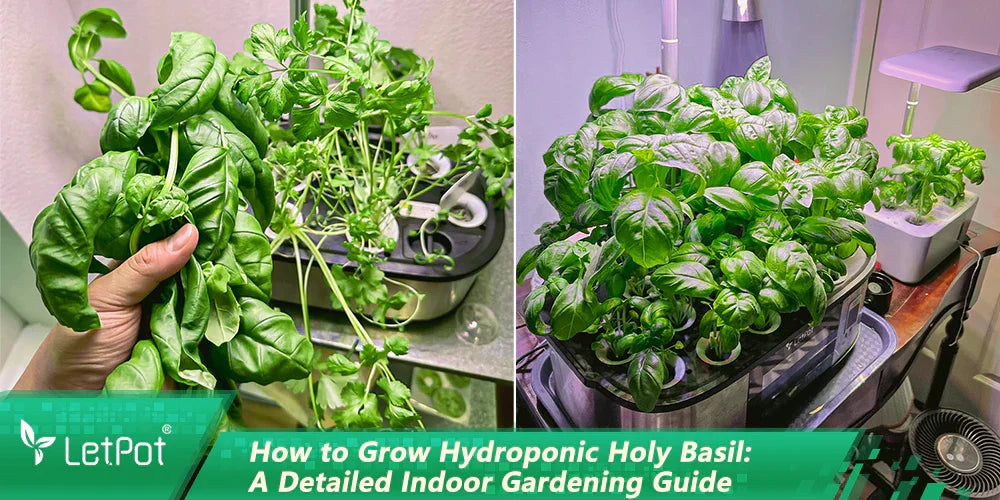
• Basil – Grows fast, smells incredible, rewards regular pruning
• Mint – Basically indestructible, great for tea and cocktails
• Green onions – One of the fastest growers out there
All of these are day-neutral plants, meaning they don't care about daylight hours the way some plants do. Stick with an EC level of 0.8-1.5 mS/cm and give them 12-16 hours of light daily, and you'll be impressed.
Once you've got the hang of it,
try:
• Dwarf tomatoes
• Peppers
• strawberries
These need more attention—pruning, hand pollination, and higher nutrient concentration during fruiting (EC 1.8-3.0 mS/cm). One pro tip: always go for dwarf varieties. Regular tomato plants get huge, and they'll quickly outgrow any indoor setup.
Step-by-Step: How to Actually Do This
- Mix Your Nutrient Solution

Grab a bottle of two-part nutrient concentrate (LetPot's A/B system is solid, but any quality brand works). The standard ratio is roughly 100ml of each part per gallon of water—or 5ml of Solution A + 5ml of Solution B per litre as your baseline.
Pro tip: Use dechlorinated tap water or filtered water. Chlorine can mess with nutrient uptake.
Pour this into your system's water tank. Here's the beautiful part: you don't need to change the water during the grow cycle. Just top it off as it evaporates and add nutrients at the same ratio. If your system has a low-water alert (the LetPot Indoor Garden series does), even better—you'll never accidentally let it run dry.
2. Plant Your Seeds

Most grow sponges are made from natural peat, which holds moisture well without the irritation of rockwool.
Here's the move:
1. Drop sponges into your growing baskets
2. Plant 2-3 seeds per sponge
3. Cover with the included light-blocking stickers (poke out the centre dot on each one—this lets the seed breathe)
4. Place the clear germination dome on top to lock in humidity
Once the seeds sprout, remove the dome—but keep those stickers on. They block light from hitting the water, which prevents algae from moving in and competing with your plants.
For bigger seeds like tomatoes or cilantro: start them on a damp paper towel for a day or two until you see the root tip, then transfer them to the peat sponge. Way faster germination.
3. Grow and Harvest

After germination, thin the seedlings to just 1-2 strong plants per sponge. Crank the LED lights up to full brightness and keep the panel 3-5 inches above the plants. Run it 14-16 hours a day—this is what prevents leggy, stretched growth.
Now here's the part new growers dread: Pruning. Don't be shy. Most plants actually grow bigger and bushier the more you trim them. Take basil, for example—cut it back regularly and it'll explode outward instead of upward.
For lettuce, harvest the outer leaves only. Never take more than a third of the plant at once. This keeps it producing for weeks instead of one big harvest and done.
4. When Plants Outgrow the System

Sometimes your plant gets bigger than the setup can handle. No worries—you can transplant to soil. The peat sponges are biodegradable. Just pull the whole basket out, keep the sponge and roots intact, and pot it up. Keep the soil consistently moist for the first few days while it adjusts to its new home.
Mistakes You'll Probably Make (And How to Avoid Them)
Let's be real: your first grow won't be perfect. That's fine. Here's how to not completely bomb it:
Skipping the Light Blockers
Those stickers exist for a reason. Algae isn't toxic, but it steals nutrients and oxygen from your plants. Use them on every sponge, every hole, all the time.
Over-Fertilizing
More nutrients ≠ bigger plants. Too high an EC level will burn the roots and wreck your plants. Stick to the 5ml A + 5ml B per litre ratio. Only adjust if you're seeing yellow leaves or stunted growth—and when in doubt, go lighter.
Want to be precise? Grab an EC meter. It's a small investment that pays off fast.
Letting Water Get Too Low
Never let the water level drop below the pump. Here's what happens: the pump runs dry, overheats, and burns out. Weekly checks are the minimum. Set a calendar reminder if you have to.
Ignoring the Roots
Healthy hydroponic roots are bright white or creamy. If they're turning black or slimy, that's trouble. Trim the damaged parts immediately and change the water. Roots don't bounce back on their own.
Bad Seeds
I can't stress this enough: bad seeds will fail no matter how perfect your setup is. Buy from reputable suppliers. Check expiration dates. Store unused seeds in a cool, dark place. This is the one thing you can't fix with technique.
Quick Answers to Questions You're Probably Asking
Can I reuse the grow sponges?
Short answer: no. The root growth breaks down the sponge material, and bacteria build up over time. The only exception: if nothing germinated at all, you can rinse it with hot water, dry it completely, and try one more time.
Do I need to clean the tank?
If your plants are thriving, you honestly don't need to do a full drain-and-refill. Just top off the water and add nutrients as needed. Clean the tank if you introduce new plants after a pest issue, or when starting a fresh grow cycle. Soft brush + plain water. For tough buildup, a little baking soda or white vinegar works—but unplug everything and remove the light panel first.
The water pump: check it every 2-3 months for root clogs. Open it up, pull out the filter sponge, rinse, and put it back. Done.
I'm going on vacation. Will my plants survive?
Yes, with some adjustments:
• Fill the tank to max capacity before you leave
• Turn LED brightness down to 50%
• Shorten the light cycle to 8 hours a day
This slows growth, cuts water evaporation, and stretches your nutrient solution. A week or two is totally fine.
Ready to Start?
Here's the truth: you don't need a green thumb. You don't need a big space. You need a system that works, decent seeds, and a willingness to pay attention for 10 minutes a week.
Spring is the perfect time to start. The days are getting longer, the mood shifts toward fresh greens and growing things, and honestly, there's something deeply satisfying about picking your own salad herbs while it's still cold outside.
Give it a shot. Your future self eating fresh basil, will thank you.
This blog is an excerpt from the LetPot beginner's guide. The full and detailed guide can be downloaded for free by joining the LetPot Facebook Group.
Happy growing!
Other Plant Indoor Hydroponic Growing Tips
If you are also interested in other indoor hydroponic plants, please read related articles.
- The Best 11 Easy-To-Grow Vegetables in Hydroponics
- Top 10 Fruits to Grow in Hydroponic Systems
- Hydroponic Herbs: A Beginner's Top 10 List
- How to grow hydroponic cherry tomatoes Indoors: A Detailed Guide
- How to grow cilantro hydroponically indoors: A Beginner’s Guide
- How to grow Hydroponic Bell Peppers indoors: A Detailed Guide
- How to Grow Hydroponic Blueberries Indoors: A Detailed Guide





Leave a comment
All comments are moderated before being published.
This site is protected by hCaptcha and the hCaptcha Privacy Policy and Terms of Service apply.