
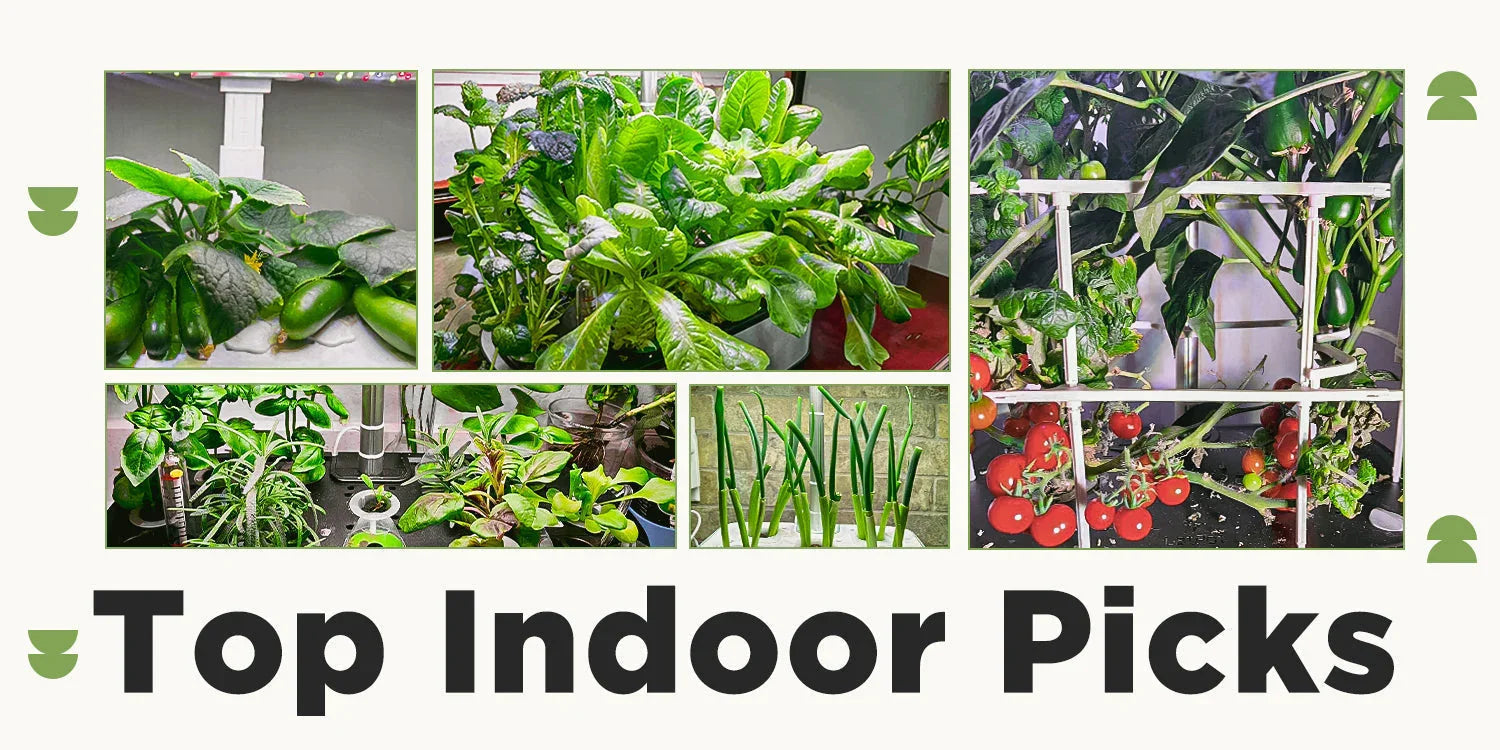
An Indoor Hydroponics System is one of my favorite ways to grow as spring rolls in. Temperatures are finally climbing, and I’m willing to bet you’ve turned off your indoor heating for the season—same here! This transition isn’t just a relief for the energy bill (let’s be real, winter heating costs add up fast)—it’s the perfect window to kickstart your hydroponic garden. With mild indoor temperatures (no more dry, overheated air drying out my plants!) and longer daylight hours, spring creates that sweet spot for indoor hydroponic growing, whether you’re starting seedlings for your outdoor garden or planting fresh greens and herbs to snip right into your kitchen meals.
Hydroponics thrives in these stable, moderate spring temps. An Indoor Hydroponics System keeps things clean and simple. There’s no soil mess to track through the house, no stress about late spring frosts nipping young plants, and the convenience of growing right on your countertop or windowsill with an indoor garden system. As someone who’s been growing hydroponically for a few years now, I’ve rounded up the 6 best plants for hydroponics growing system in the spring—handpicked for their adaptability to post-heating indoor conditions, fast growth, and how useful they are (whether you’re transplanting outdoors later or harvesting fresh for dinner).
Why Spring 2026 Is Perfect for an Indoor Hydroponics System?
Spring is my favorite time to fire up the hydroponics system. An Indoor Hydroponics System works especially well once the heat is off. Here’s why it works so well:
- Mild Indoor Temperatures: Most homes hover between 65–75°F (18–24°C) without heat—exactly the range most hydroponic plants need to thrive. Goodbye to dry, overheated air that used to wilt my herbs in winter!
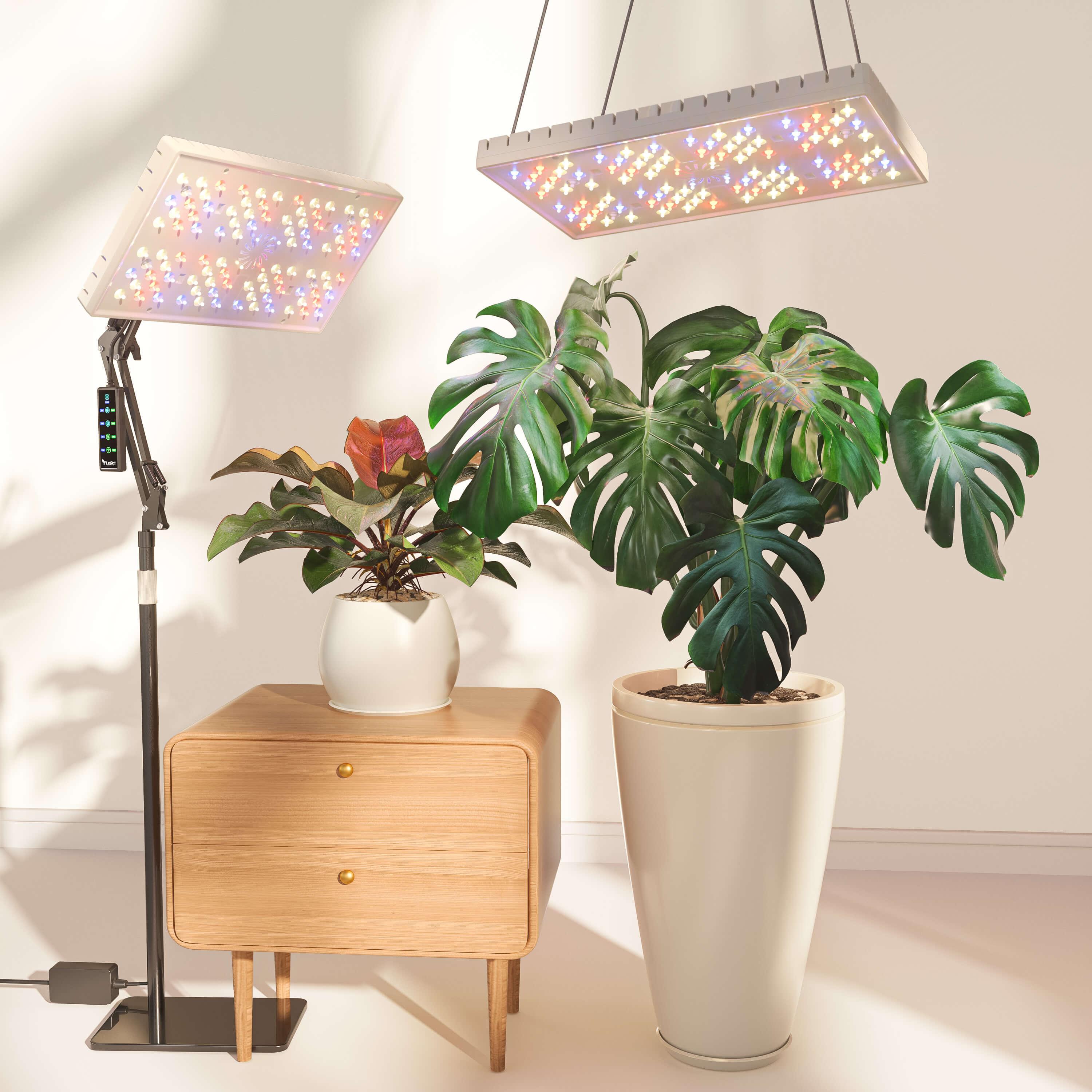
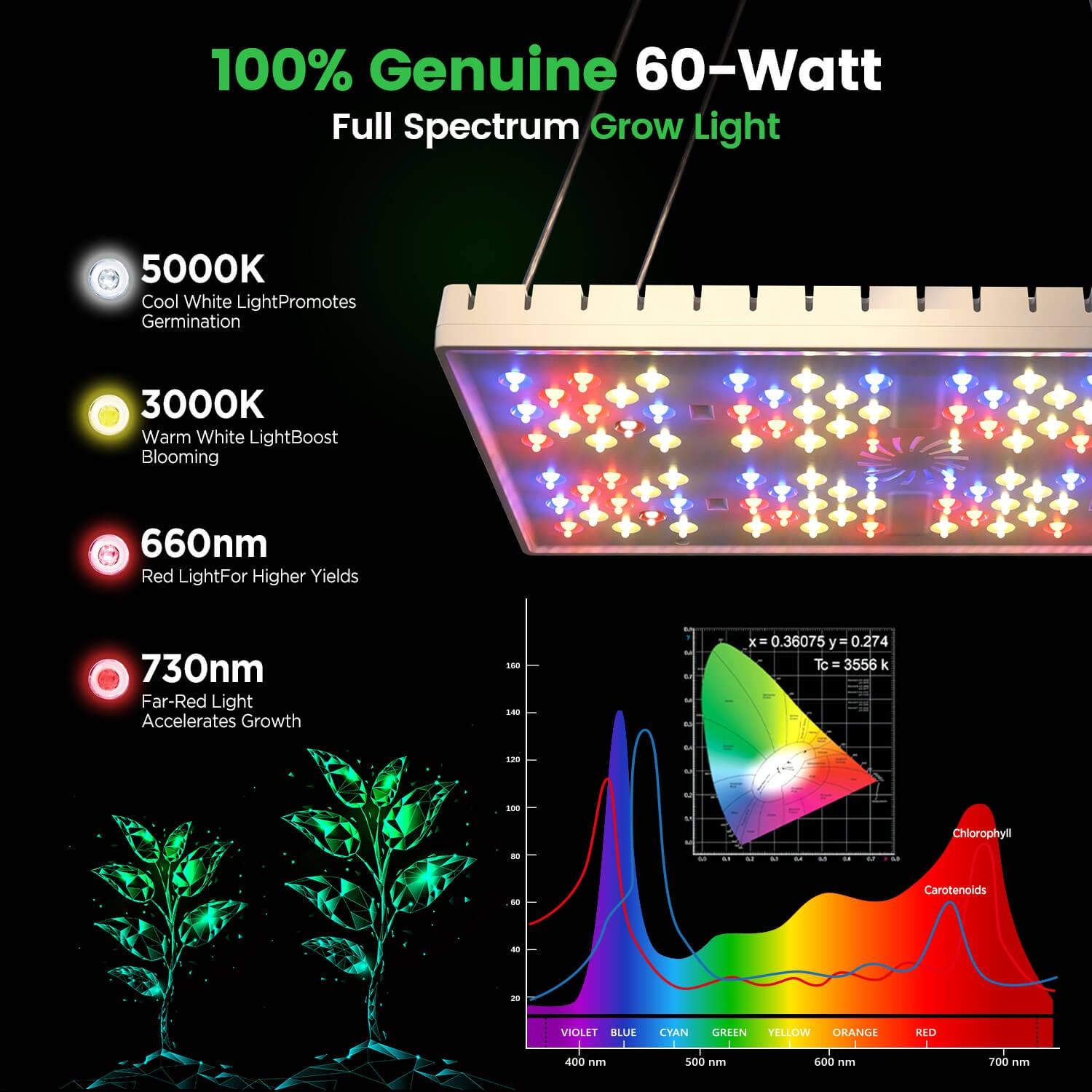
- Longer Daylight: With daylight saving time in effect (starting March 8, 2026), our plants get more natural light, which means less time running supplemental LED lights (though they still help speed up growth, if you’re impatient like me).
- Outdoor Seedling Prep: Starting seedlings indoors hydroponically lets me protect them from those late spring frosts (I’ve learned the hard way—no more losing young plants to a random April cold snap!). Once the weather stabilizes, I just transplant them outside.
- Fresh Kitchen Harvests: For those of us who want immediate rewards (hello, fresh salads!), spring-grown hydroponic plants mature quickly. No waiting for outdoor gardens to catch up—just snip and enjoy.
6 Best Plants for Spring 2026 Indoor Hydroponic Growing
These are the plants I swear by for spring hydroponics. An Indoor Hydroponics System helps them stay steady in post-heat indoor conditions. They’re fast-growing, versatile, and beginner-friendly. I’ve included my go-to growing tips, so even if you’re new to hydroponics at home, you’ll have success.
1. Lettuce (Romaine & Butterhead) – Perfect for Spring Greens

Difficulty: Beginner-Friendly
Indoor Temperature Range: 60–70°F (15–21°C)
Light Needs: 8–10 hours daily (natural light + 2–3 hours of LED grow light if needed)
Growth Time: 25–35 days to harvest
Best For: Kitchen salads, sandwiches, or outdoor transplanting (plant outside after last frost)
Lettuce is my spring hydroponic staple. It hates the summer heat and thrives in mild spring temps. In an Indoor Hydroponics System, romaine and butterhead stay compact and productive. You can harvest leaf-by-leaf, so you get fresh greens for weeks. I start lettuce seedlings in March or April, then transplant them outside once night temperatures stay above 45°F (7°C)—usually late April to early May where I live.
2. Cherry Tomatoes – Ideal for Seedling Prep & Indoor Harvests

Difficulty: Beginner-Friendly to Intermediate
Indoor Temperature Range: 65–75°F (18–24°C)
Light Needs: 10–12 hours daily (supplemental LED light recommended for strong seedlings)
Growth Time: 6–8 weeks to transplant outdoors; 10–12 weeks for indoor fruit harvest
Best For: Outdoor garden transplants (most popular) or compact indoor varieties (like ‘Patio Baby’)
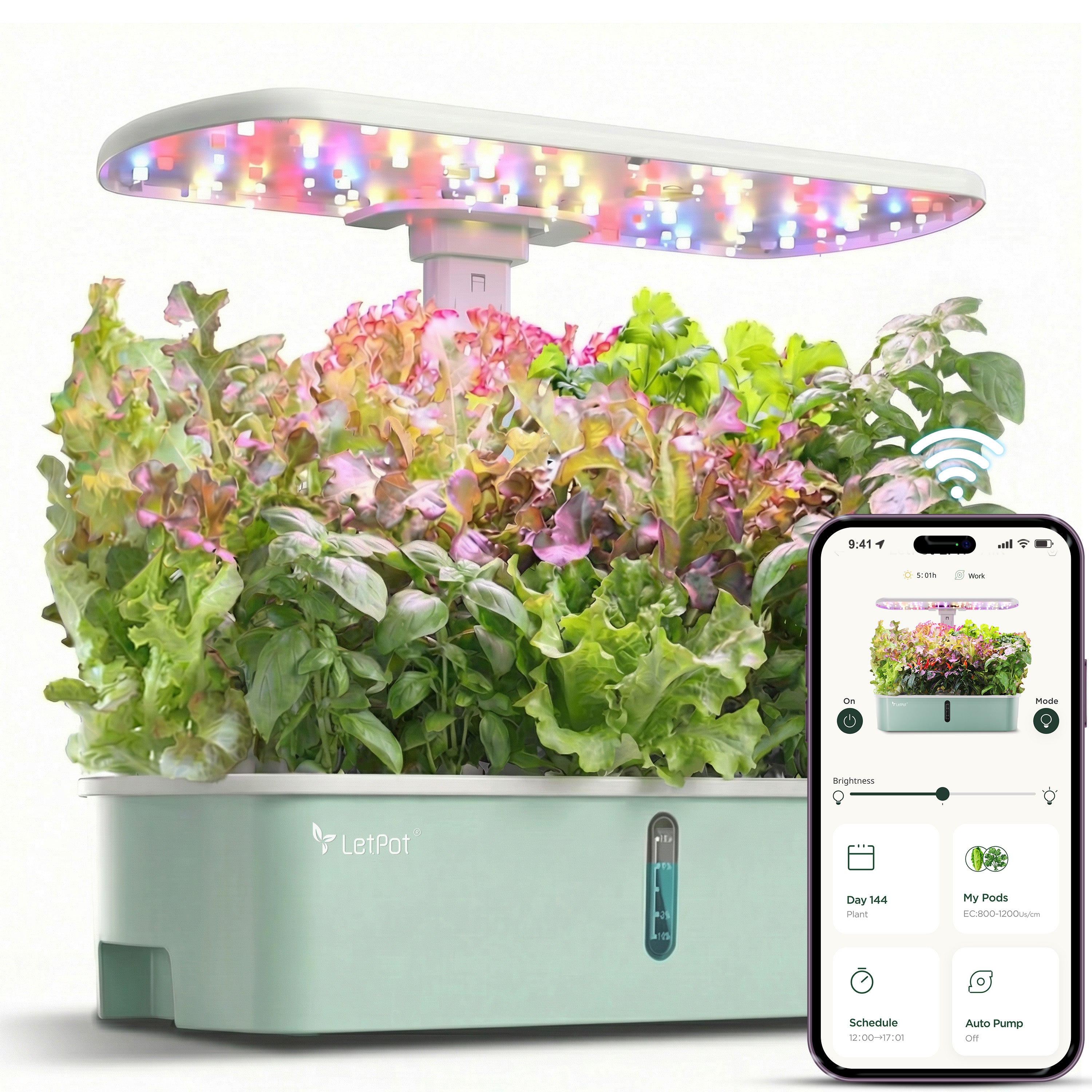
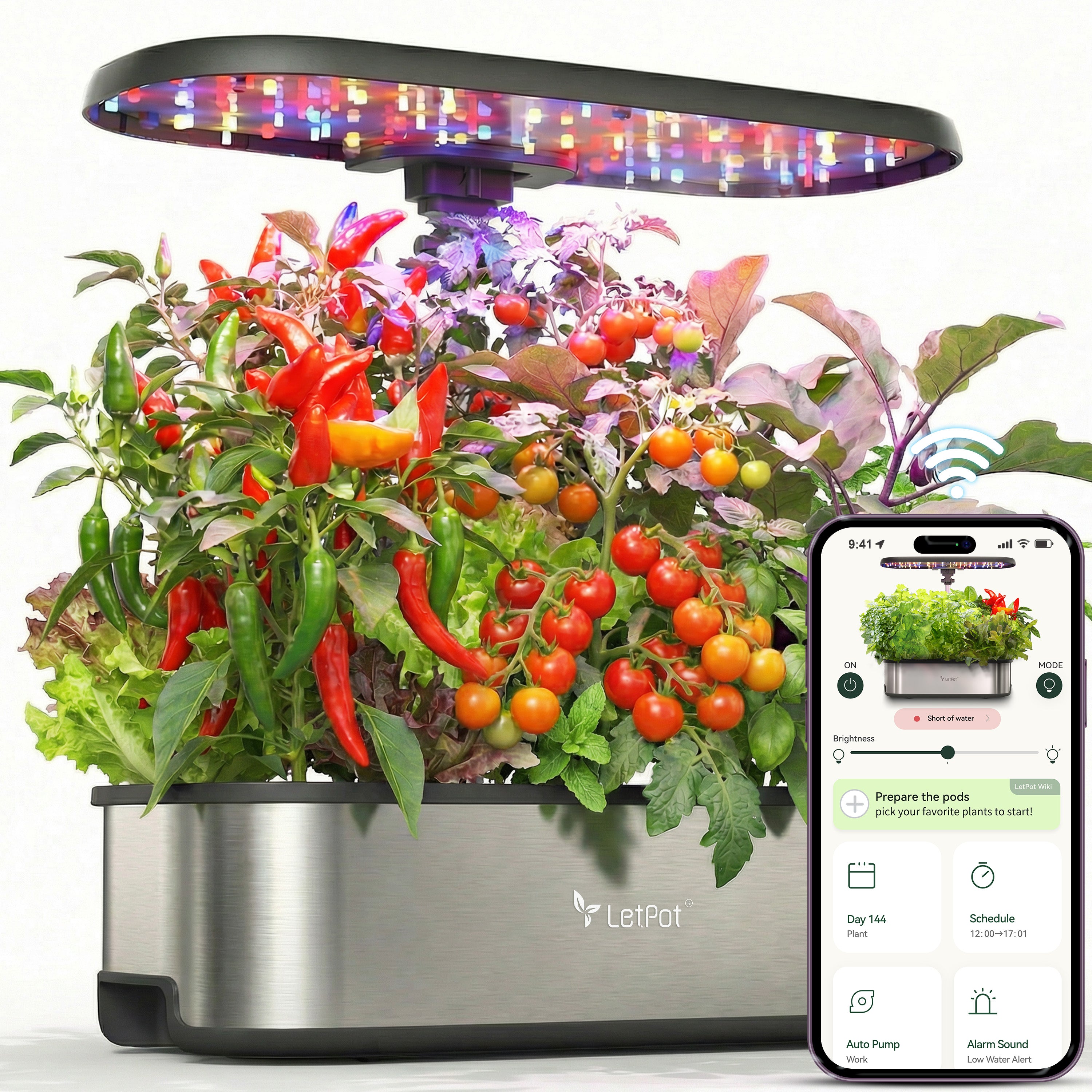
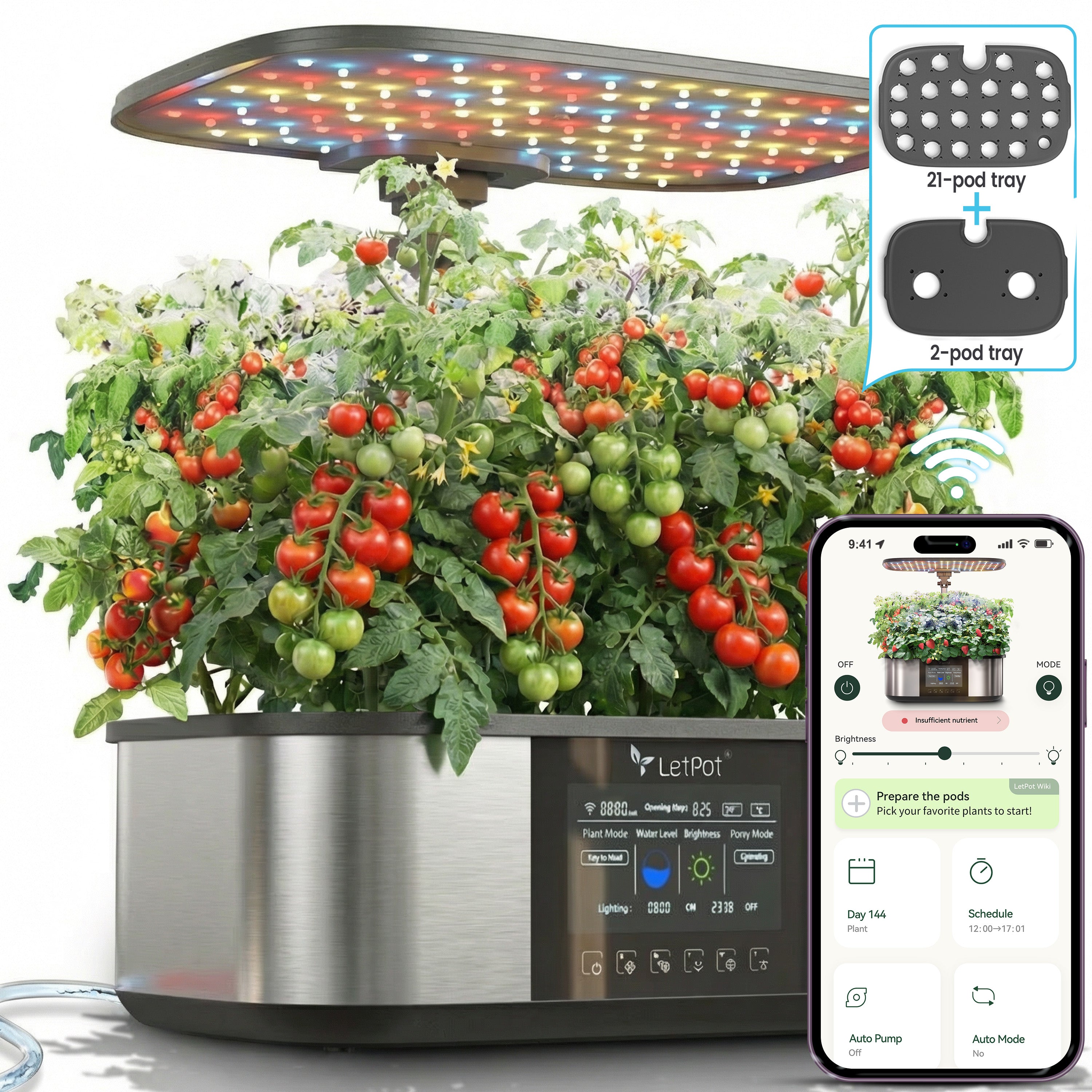
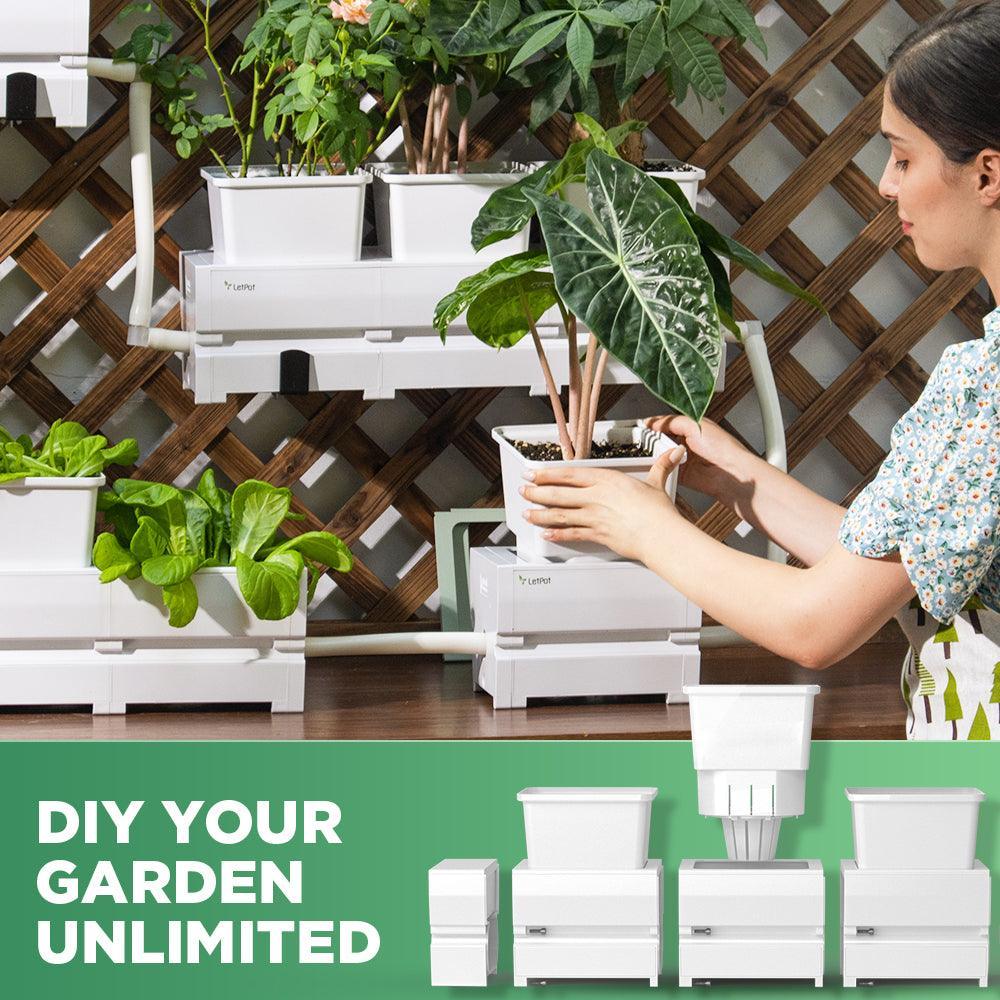
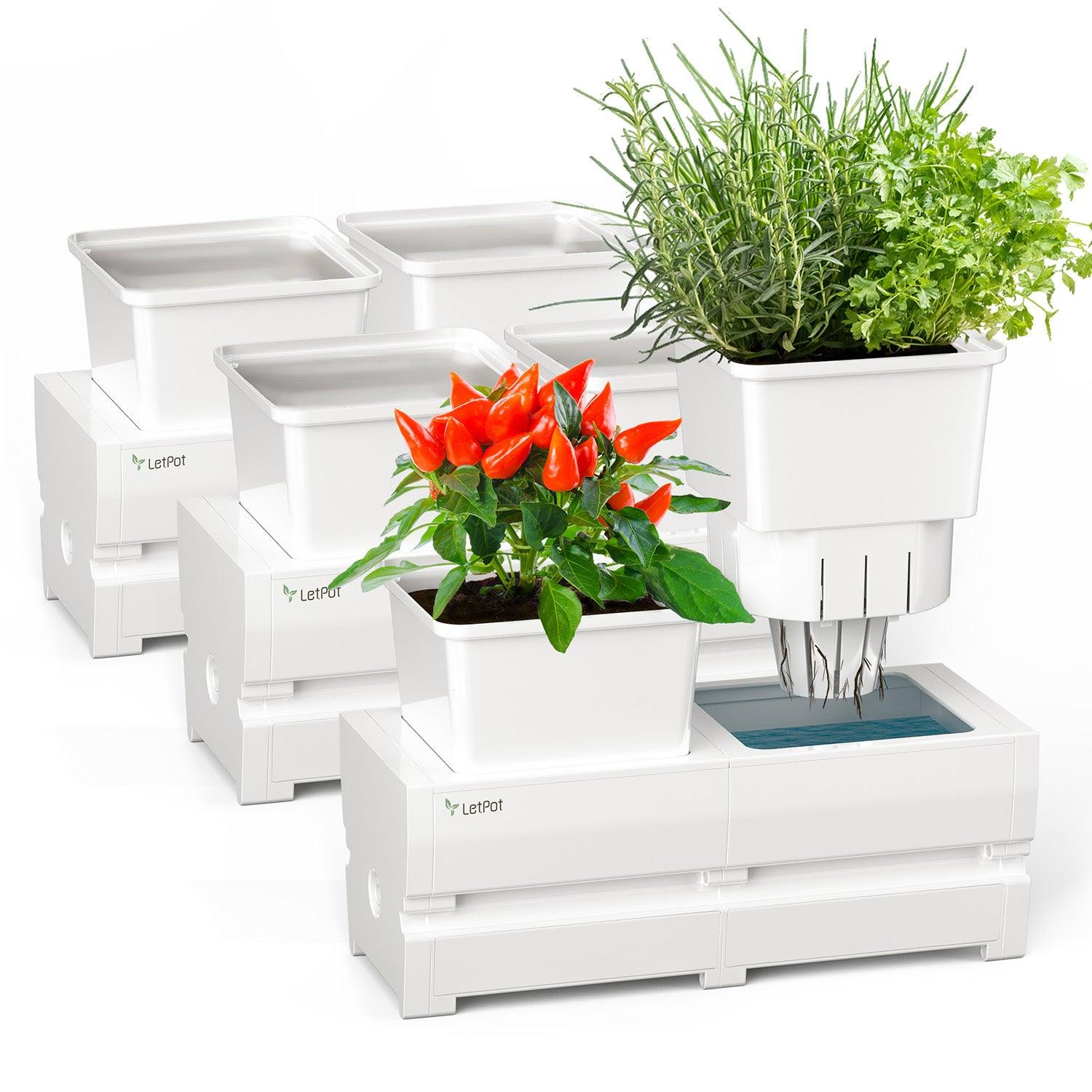
Spring is the perfect time to start cherry tomato seedlings hydroponically. They need warm, not hot, conditions to germinate. An Indoor Hydroponics System makes those conditions easier to maintain. I grow them until they’re 4–6 inches tall, then transplant them outside after the last frost (I always check my local last frost date—no more guessing!). If you don’t have outdoor space, compact varieties like ‘Patio Baby’ grow great in countertop systems like LetPot indoor garden.
3. Basil – The Spring Herb Essential

Difficulty: Beginner-Friendly
Indoor Temperature Range: 70–75°F (21–24°C)
Light Needs: 10–12 hours daily (natural light from a south-facing window works great)
Growth Time: 30–40 days to harvest
Best For: Fresh kitchen use (pesto, salads, sauces) or outdoor herb garden transplants
Basil is non-negotiable for me in spring. The mild indoor temps and extra daylight help it grow bushy and flavorful. An Indoor Hydroponics System also helps avoid soil-borne pests and overwatering issues. It works especially well in an indoor hydro garden. I harvest leaves regularly to keep it growing, and transplant seedlings outside once night temps stay above 50°F (10°C). It’s perfect for caprese salads, grilled veggies, or even homemade pesto to freeze for later.
4. Cucumber – Great for Seedlings & Compact Indoor Growth

Difficulty: Intermediate
Indoor Temperature Range: 70–80°F (21–27°C)
Light Needs: 12–14 hours daily (LED grow light recommended for seedlings)
Growth Time: 4–6 weeks to transplant outdoors; 8–10 weeks for indoor harvest (compact varieties)
Best For: Outdoor garden transplants (vining varieties) or indoor growing (bush varieties like ‘Spacemaster’)
Cucumbers love warm, stable spring indoor conditions. In an Indoor Hydroponics System, they germinate fast, which is why I use them for outdoor seedling prep every year. This setup fits well in a home hydroponic garden. I start vining varieties in March or April, then transplant them outside once the weather warms up. For indoor growing, bush varieties like ‘Spacemaster’ are a game-changer—they grow well with a small trellis and produce crisp cucumbers for salads or pickling. Pro tip: Keep the water pH between 5.5–6.5 for the best growth (I learned this after a few lackluster cucumber plants!).
5. Spinach – Cold-Tolerant for Early Spring Growing

Difficulty: Beginner-Friendly
Indoor Temperature Range: 55–65°F (13–18°C)
Light Needs: 8–10 hours daily (thrives in spring’s natural light)
Growth Time: 20–30 days to harvest
Best For: Kitchen smoothies, salads, or outdoor transplanting (tolerates light frosts)
Spinach is my go-to for early spring. It’s one of the few plants that thrives in the cooler end of our indoor temps. An Indoor Hydroponics System helps baby leaves grow quickly and cleanly. I also love that spinach seedlings are cold-tolerant, so I can transplant them outdoors earlier than other plants (as soon as night temps stay above 35°F (-1°C)). It’s a great way to get a head start on my outdoor garden, and the baby leaves are perfect for smoothies or salads.
6. Chives – Low-Maintenance Spring Herb

Difficulty: Beginner-Friendly
Indoor Temperature Range: 60–70°F (15–21°C)
Light Needs: 8–10 hours daily (natural light or low-wattage LED)
Growth Time: 30–45 days to harvest
Best For: Fresh kitchen garnishes, soups, or outdoor herb garden transplants
Chives are my recommendation for anyone new to hydroponics. They’re basically foolproof. An Indoor Hydroponics System gives them a clean, low-maintenance setup. They adapt to almost any indoor condition, grow quickly, and have a mild, onion-like flavor that’s perfect for spring dishes. I love that they don’t need strict pH control (5.8–7.0 works) and you can harvest by snipping leaves at the base, which encourages new growth. I start them hydroponically in spring, then move them to my outdoor herb garden once the weather warms. I keep a small pot near my kitchen window for easy access when I’m cooking—they add a fresh touch to soups, eggs, and salads.
My Go-To Spring Hydroponic Tips
Monitor Water Temperature: Keep hydroponic water between 65–75°F (18–24°C). An Indoor Hydroponics System should stay away from drafty windows or air vents (I made that mistake once, and my basil wilted fast).
Embrace Spring 2026 with Hydroponics
Spring 2026 is the perfect time to dive into hydroponics—no more dry indoor air from heaters, mild temperatures, and longer days create that ideal growing environment. Whether you’re prepping seedlings for your outdoor garden or growing fresh herbs and greens for your kitchen, these 6 plants are sure to thrive. As someone who’s been there, I can tell you hydroponics is simple, mess-free, and so rewarding—you’ll wonder why you didn’t start sooner.
So turn off that heater, dust off your indoor hydro garden, and get ready to harvest fresh, homegrown plants all spring long. Happy growing!
FAQs About Spring Hydroponics
Q: When is the best time to start spring hydroponic seedlings for outdoor transplanting?
A: Start seedlings 4–6 weeks before your local last frost date. For example, if my last frost is May 1 (Zone 5), I start seedlings in mid-April; if it’s April 15 (Zone 7), I start in mid-March—it takes the guesswork out of it.
Q: Can I grow all these plants together in one hydroponic system?
A: Yes! Most of these plants (lettuce, spinach, basil, chives) share similar temperature and light needs—they’re perfect for a multi-pod system. I keep tomatoes and cucumbers separate, though—they need more space and nutrients to thrive.
Other Plant Hydroponic Growing Tips
If you are also interested in other hydroponic plants, please read related articles.
- The Best 11 Easy-To-Grow Vegetables in Hydroponics
- Top 10 Fruits to Grow in Hydroponic Systems
- Hydroponic Herbs: A Beginner's Top 10 List
- How to grow hydroponic cherry tomatoes Indoors: A Detailed Guide
- How to grow cilantro hydroponically indoors: A Beginner’s Guide
- How to grow Hydroponic Bell Peppers indoors: A Detailed Guide
- How to Grow Hydroponic Blueberries Indoors: A Detailed Guide




Leave a comment
All comments are moderated before being published.
This site is protected by hCaptcha and the hCaptcha Privacy Policy and Terms of Service apply.