

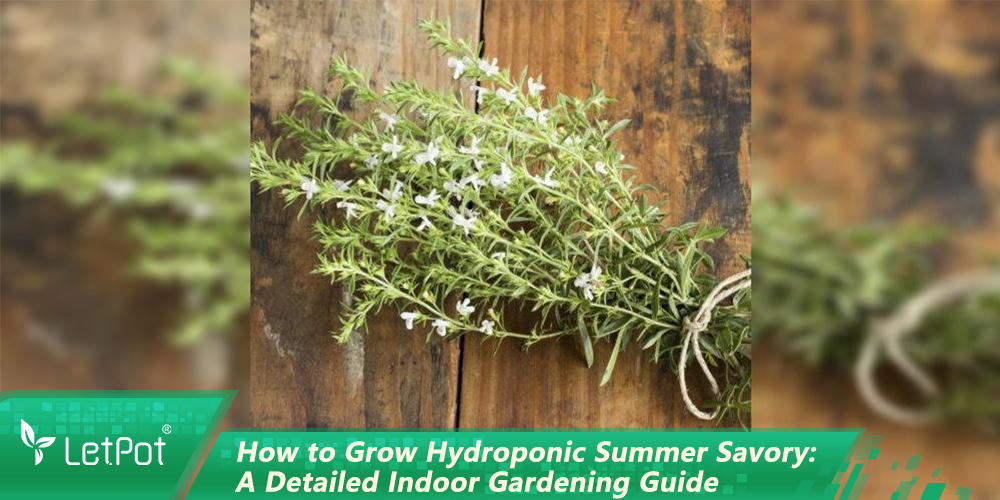
Growing herbs indoors used to feel like a novelty. A windowsill experiment. Something you tried once and forgot. But Summer Savory changes that perception quickly. It is strong, aromatic, and remarkably compliant to grow without soil.
It is a guide that will take you through it all. Not just the how, but the why. Each of the phases are described in practical and usable detail, including how to seed all the way to harvest. So, let’s learn how to grow Summer Savory (Satureja hortensis) indoors using a hydroponics growing system.
What Is Hydroponic Summer Savory And Why Grow It Indoors?
Summer Savory is a compact annual herb with narrow leaves and a bold, peppery aroma. Cooks love to use them in beans, lentils, soups, and meat dishes. Gardeners love it because it grows fast and stays manageable. Indoors, it becomes even more appealing.
What’s noticeable is that Summer Savory does not demand deep roots, heavy feeding, or complex pruning schedules. And this makes it a natural fit for hydroponics. When grown indoors, you control light, temperature, water quality, and airflow. No guessing. No weather surprises.
Using a hydroponics growing system allows the plant to focus energy on leaf production rather than fighting soil pathogens or inconsistent moisture. Growth becomes predictable. Flavor becomes stronger. Harvests become repeatable.
And there is another benefit people overlook. Indoor growing means year round access. Fresh savory in January. That alone convinces most growers.
Materials You'll Need For Growing Hydroponic Summer Savory
Before seeds ever touch moisture, setup matters. A rushed setup causes slow growth later. Let us ponder on this and understand it properly.
You can grow Summer Savory in a variety of systems such as the Deep water culture, nutrient film technique, compact countertop units, etc. The scale is flexible. But what matters is consistency, therefore, a hydroponics growing system is the best choice to grow it.
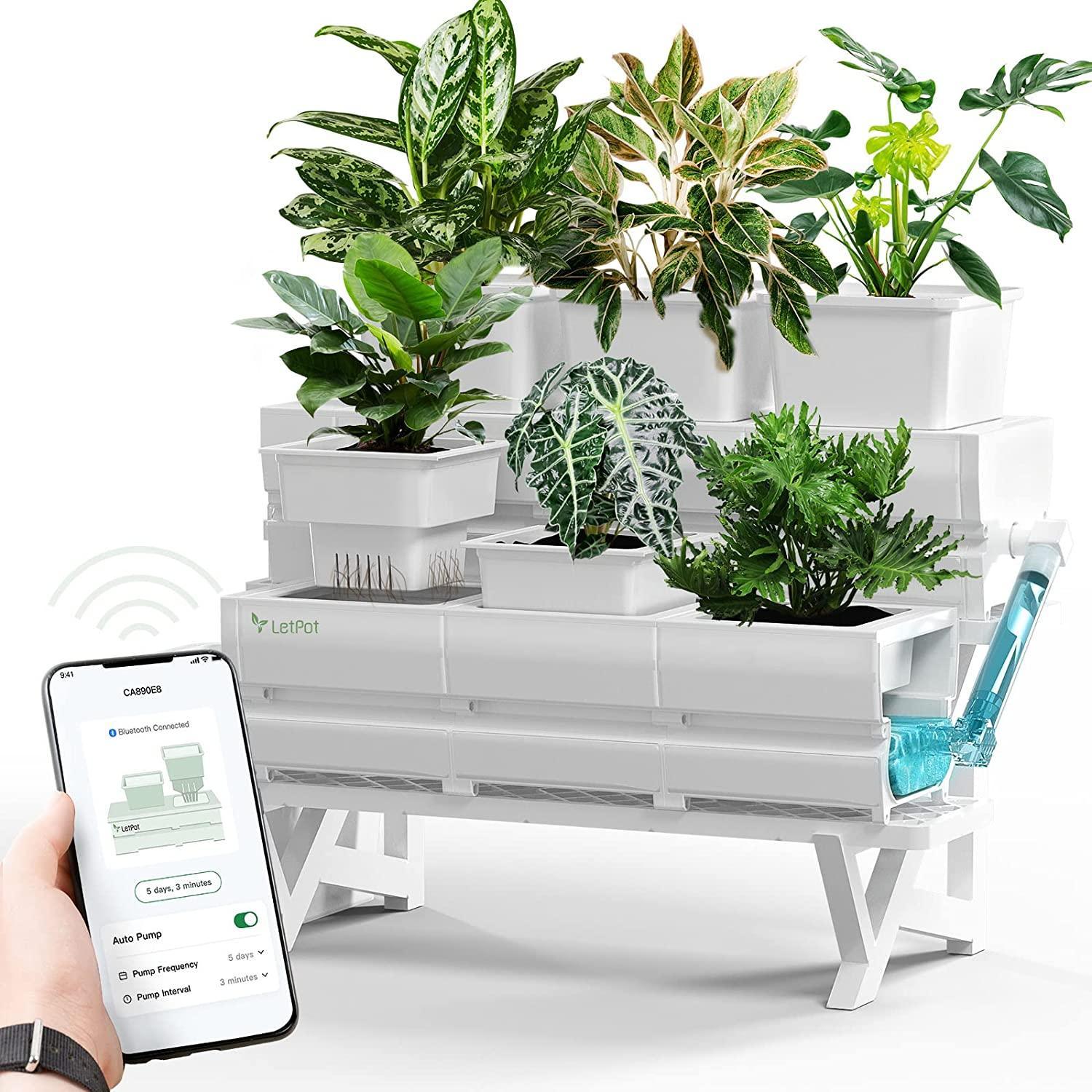
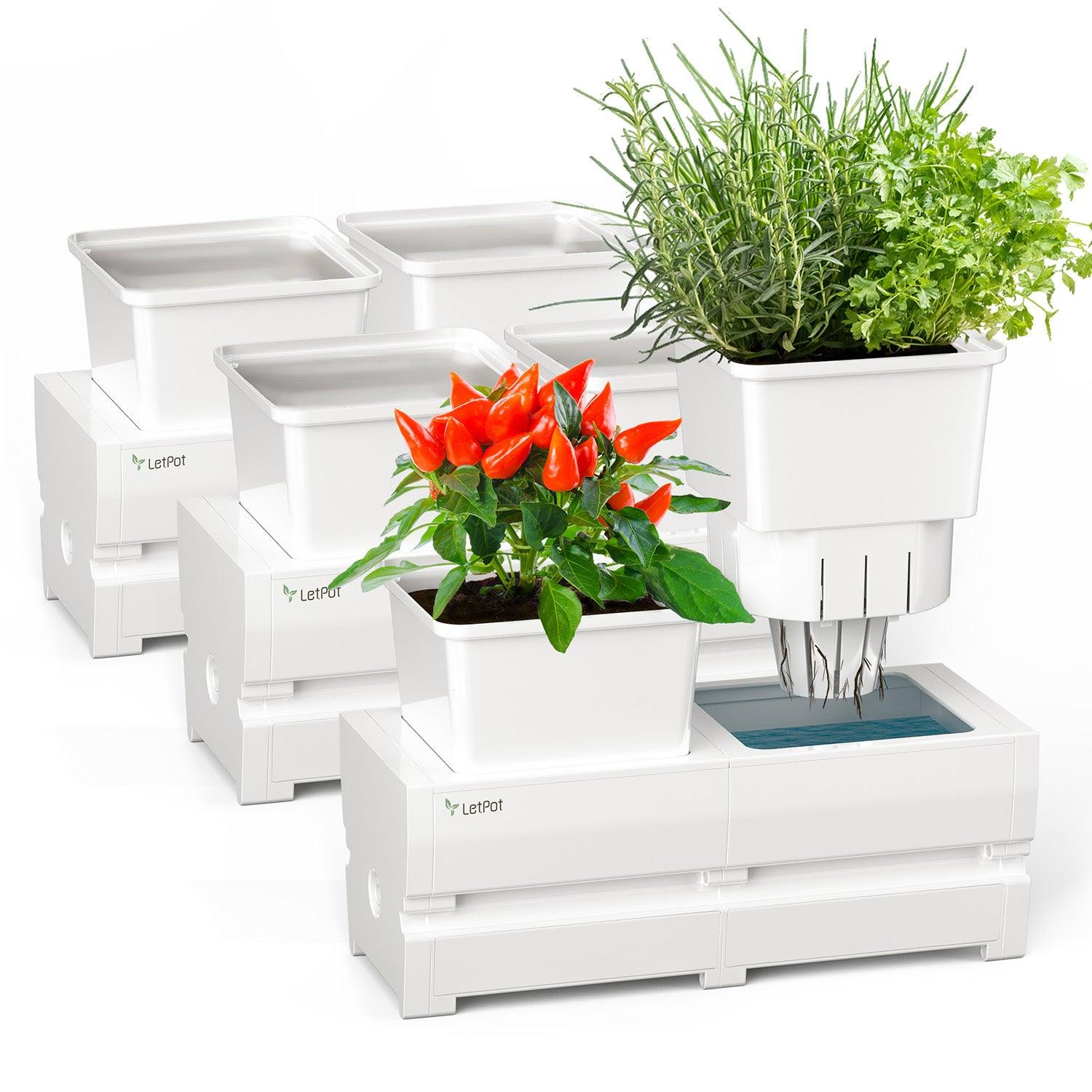
At minimum, you will need a hydroponics growing system that supports stable root oxygenation, controlled feeding, and adjustable lighting height. Many beginners start with an indoor hydroponic garden kit because it simplifies early decisions. Pumps, reservoirs, and light timers are already matched.
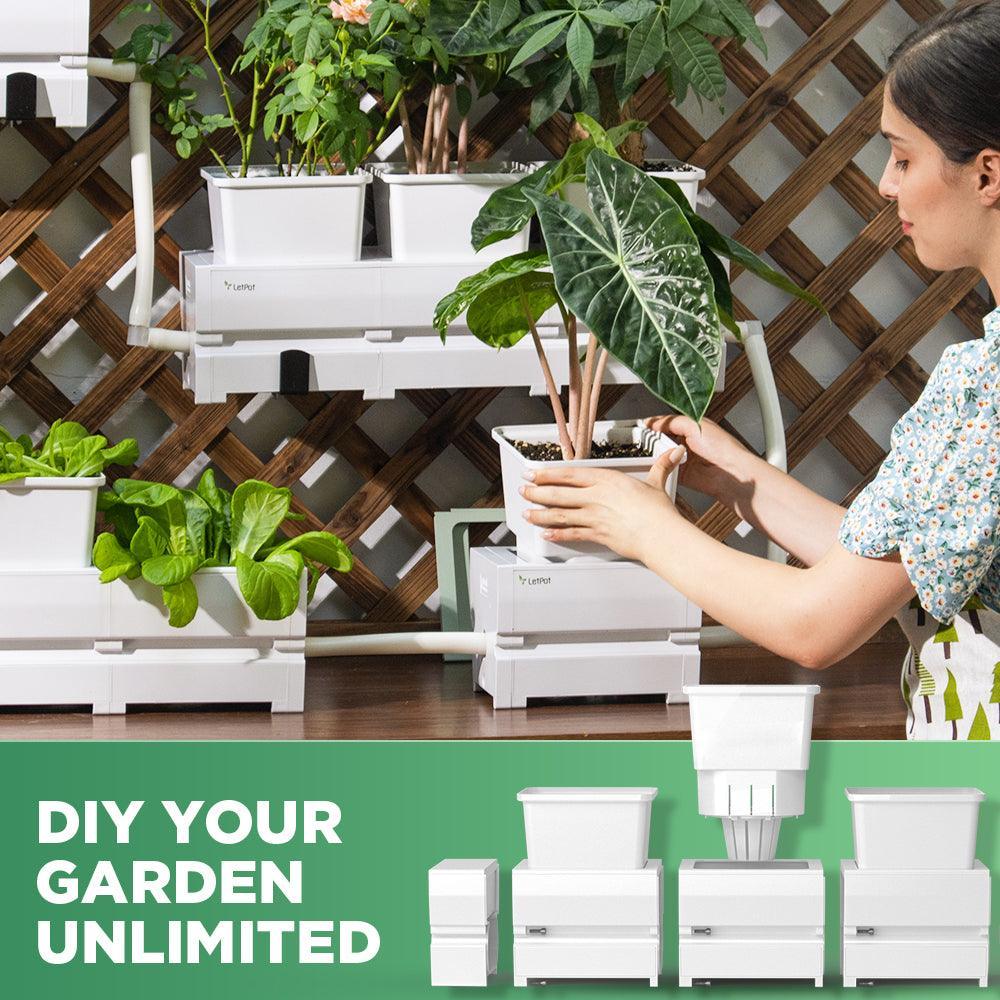
That said, experienced growers often prefer modular systems. More control. More flexibility. Slightly more responsibility.
Essential Supplies And Setup List
Let us clarify what actually matters versus what is optional.
- Let us clarify what actually matters versus what is optional.
- You need quality Summer Savory seeds. Fresh. Untreated.
- You need a growing medium that holds moisture but drains freely. Rockwool, coco coir plugs, or compressed peat alternatives all work well.
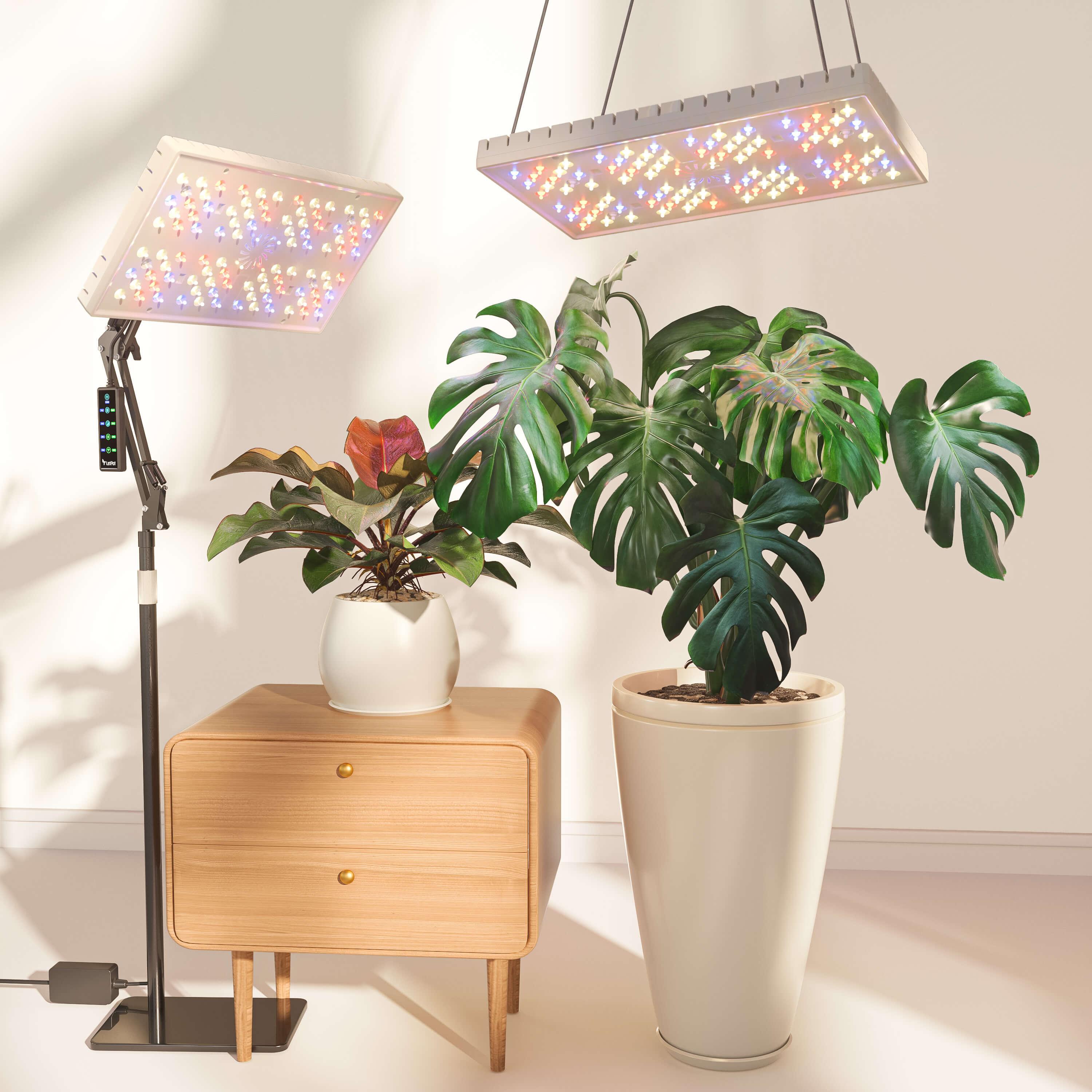
- You need full spectrum LED grow lights capable of delivering 14 to 16 hours of consistent light daily.
- You need a reservoir with clean water and space to monitor EC and pH levels accurately.
- Adequate airflow, more like a gentle breeze.
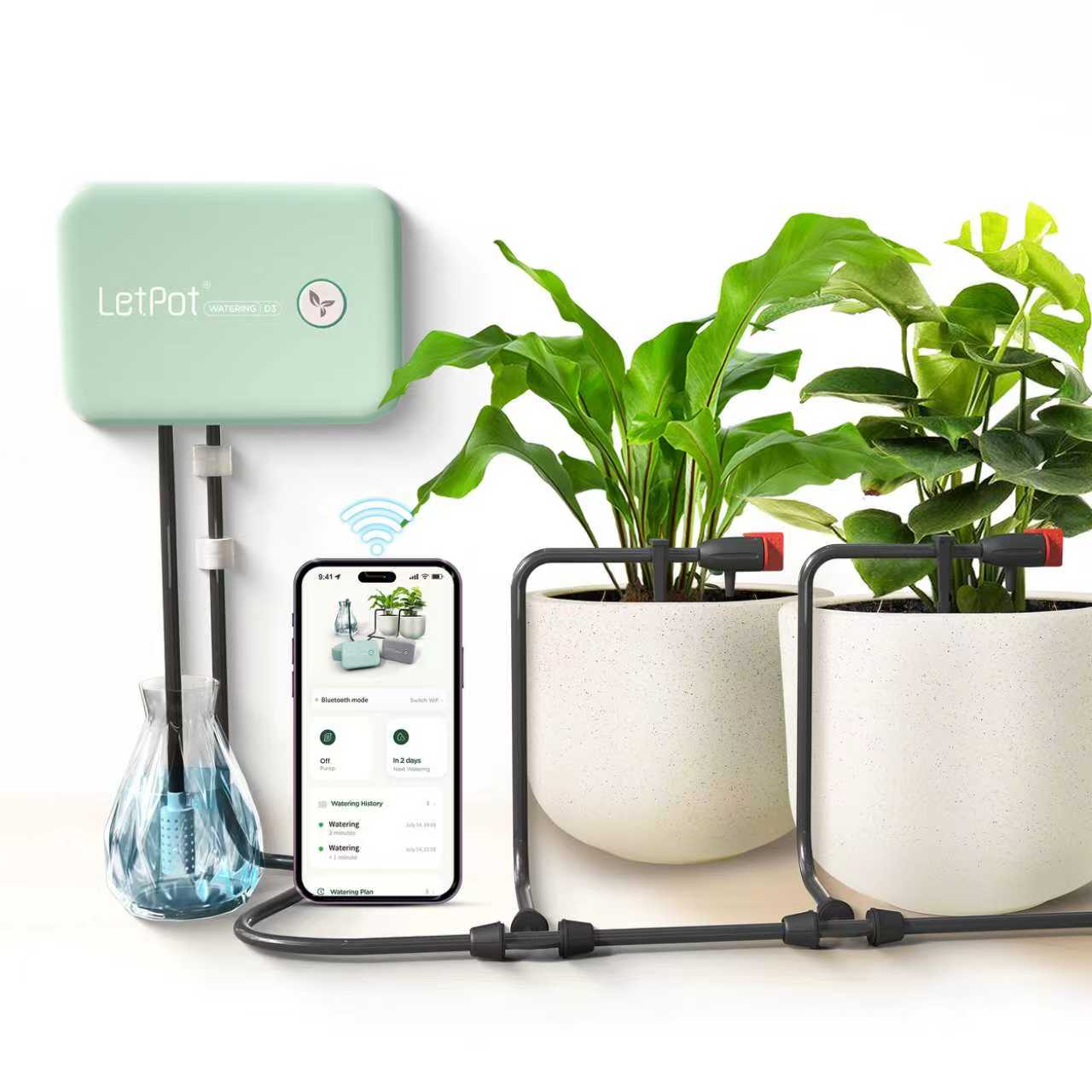
- You can use a smart hydroponic planter to automate lighting (optional).
Once these elements are aligned, the rest becomes execution.
Step-by-Step Guide to Growing Hydroponic Summer Savory

This is where most people trip up. They rush steps. Or skip measurements. Do not.
Choosing the Right Summer Savory Seeds
Not all seeds behave uniformly when it comes to hydroponics. Therefore, choose seeds labeled for culinary use, not ornamental varieties. Look for high germination rates and recent packaging dates.
The seeds of summer savory are small… almost dust-like, which is why approach them with care. Also, know that overcrowding can do more damage than good since it can halt growth. Hence, one seed per plug is adequate.
The germination stage takes 7 to 14 days under ideal conditions. Patience matters here. Overwatering is the most common mistake.
Selecting the Best Growing Medium for Summer Savory
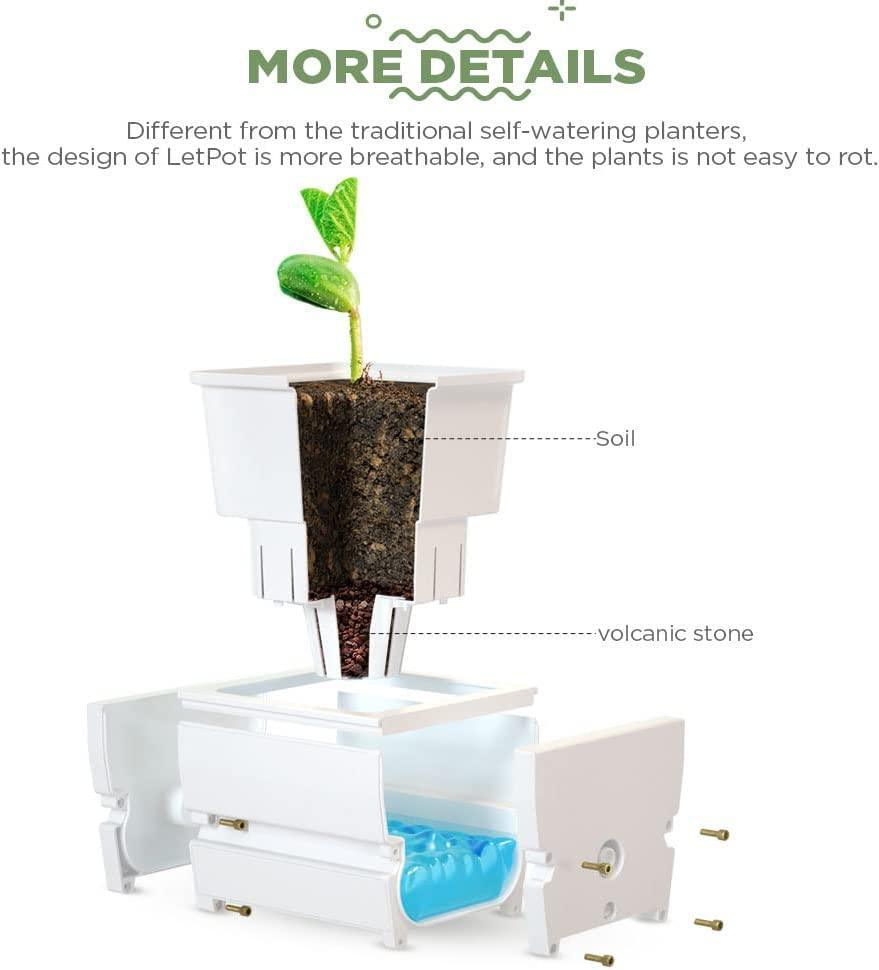
Roots need air as much as water.
Rockwool cubes work exceptionally well because they hold moisture while allowing oxygen penetration. Other than that, you can try coco coir blends as well since they are also effective, especially if pre-buffed.
Avoid dense sponges or soil substitutes that stay soggy. Summer Savory roots dislike stagnation.
Pre-soak your medium in clean water adjusted to a pH of around 6.0 before planting. This prevents early stress.
Maintaining Proper Water Quality and pH Levels
Water quality determines everything downstream. Literally.
Use filtered or reverse osmosis water if possible. Tap water can work, but test it first.
The ideal pH balance in hydroponics for Summer Savory sits between 6.0 and 7.0. Slight fluctuations are tolerated. Extremes are not.
Check pH daily during early growth. Overcorrecting creates more harm than slow drift.
During early stages, keep EC between 500 and 1000 µS/cm. Increase gradually as the plant matures.
This is where a hydroponics growing system with reliable monitoring tools earns its value.
Preparing and Using Nutrient Solutions
Summer Savory is not a heavy feeder. But it is precise.
Use a balanced herb formulation. Mix your nutrient solution according to manufacturer instructions, then dilute slightly during seedling stages.
EC targets matter by stage:
- Seedling phase = 800 to 1200 µS/cm.
- Vegetative growth = 1000 to 1500 µS/cm.
- Maturity = 1500 to 2000 µS/cm.
Change reservoirs every 10 to 14 days. Top off with clean water between changes.
Sniff the reservoir from time to time. A neutral smell means the water is fresh, while anything else means something is wrong.
Providing the Right Lighting Conditions
Light drives flavor. Not just growth.
Provide 14 to 16 hours of light daily. Consistency matters more than intensity spikes.
Position lights 20 to 30 centimeters above the canopy. Keep adjusting as your plant is getting bigger.
Full spectrum LEDs that produce an equal amount of red and blue are best.. Avoid cheap blurple lights. They distort plant behavior.
In case of aggressive curling of leaves, increase the light. In case the stems are stretched, reduce it a bit.
A stable hydroponics growing system simplifies this adjustment process.
Ideal Temperature and Climate Control
Summer Savory likes peaceful surroundings. Hence, maintain temperatures between 18 and 24 degrees Celsius. Colder nights are tolerable but heat isn’t.
Humidity should stay moderate. Around 50 to 65 percent. Too dry slows growth. Too humid invites disease.
Air movement prevents fungal issues. A small oscillating fan is enough.
Daily Care and Maintenance For Hydroponic Summer Savory

Daily care is observational, not labor intensive.
What you need to do is check water levels. look at the color of the leaves and smell the air.
Healthy Summer Savory smells sharp and spicy. Dull aroma often signals nutrient imbalance.
Top off water as needed. Check pH every other day once plants stabilize.
This is where routine pays off. Five minutes a day prevents weeks of correction later.
A well tuned hydroponics growing system makes these checks fast and predictable.
How to Prune Summer Savory Properly
Pruning is not optional. It is a strategy that must be implemented.
Clip out the top growth as soon as the plant is 15 centimeters high. It favors lateral branching. Cut just above a leaf node and utilize clean scissors only.
Remove yellowing leaves immediately. They drain energy and invite disease.
Frequent light pruning produces bushier plants and stronger flavor. Aggressive cutting shocks growth.
The weird part is how fast it responds. New shoots appear within days.
Managing Plant Spacing And Growth
Crowding kills airflow. And airflow protects health.
Space plants so leaves barely touch at maturity. In compact systems, one plant per site works best.
If growth becomes uneven, rotate positions under the light. Plants lean. Gravity is honest.
Support stems if needed, though Summer Savory usually holds itself well.
The growth phase lasts roughly 35 to 50 days. Maturity follows around day 50 to 65. Track timing. Plants like rhythm.
Pest Prevention And Control
Indoors does not mean pest free. It means pest delay.
- Inspect leaf undersides weekly. Look for specks or webbing.
- Maintain cleanliness. Remove dead plant matter promptly.
- If pests appear, start with physical removal and airflow increase. Neem oil sprays can help, but use sparingly.
Healthy plants resist pests better. That is not marketing. It is biology.
Disease Prevention And Treatment

The roots of a plant tell a lot about their health.
- Prevent root rot by maintaining oxygenation and avoiding warm, stagnant water.
- If roots brown or smell foul, act fast. Replace reservoir. Rinse roots gently. Reduce EC temporarily.
Fungal leaf issues often trace back to humidity or poor airflow. Fix the environment first. Treatments come second.
A stable hydroponics growing system minimizes these risks through consistency.
When And How to Harvest Summer Savory
Once sprouting has taken place, wait for about 50 days to harvest.
- Essential oils are most active in the morning, hence, cut stems during this time.
- Removal of more than a third of the plant at a time is never advisable.
- Frequent harvesting stimulates growth. Sparse harvesting slows it.
Flavor intensifies with maturity. Timing matters.
Common Questions About Hydroponic Summer Savory
Can Summer Savory grow year round indoors?
Sure. But you’ll need to provide stable light and temperature
Does Summer Savory Require Pollination?
Nope.
Is it beginner friendly?
Absolutely. Few herbs forgive mistakes this well.
Is one plant enough?
For most kitchens, yes. For frequent cooking, grow two.
Final Word
Growing Summer Savory indoors is not complicated if you know the steps right. Once your environment stabilizes, the plant does the rest.
A thoughtfully managed hydroponics growing system turns a small herb into a reliable harvest machine. Fragrant. Fast. Satisfying. And honestly, once you taste it fresh, you will not go back.
Other Plant Hydroponic Growing Tips
If you are also interested in other hydroponic plants, please read related articles.
- The Best 11 Easy-To-Grow Vegetables in Hydroponics
- Top 10 Fruits to Grow in Hydroponic Systems
- Hydroponic Herbs: A Beginner's Top 10 List
- How to grow hydroponic cherry tomatoes Indoors: A Detailed Guide
- How to grow cilantro hydroponically indoors: A Beginner’s Guide
- How to grow Hydroponic Bell Peppers indoors: A Detailed Guide
- How to Grow Hydroponic Blueberries Indoors: A Detailed Guide






Leave a comment
All comments are moderated before being published.
This site is protected by hCaptcha and the hCaptcha Privacy Policy and Terms of Service apply.